• LGB Alliance on the puberty blocker trial:

    We are horrified by the announcement of the PATHWAYS trial. As a charity representing lesbians, gays and bisexuals we are outraged that the lives of mostly LGB teenagers are held in such contempt that blocking their development has been given ethical approval.

    We are supporting increasing numbers of detransitioned LGB people who are appalled that more children will be subjected to a trial of drugs we already know to be harmful. They now know they had difficulty accepting their homosexuality. They can attest to the effects of these drugs but have not been asked. All the evidence shows that lesbians, gay and bisexual young people make up the majority of those who will suffer.

    Every detail of this planned trial is a disgrace. Recruiting children for a trial of drugs now known to be harmful, while more countries are banning them, is indefensible. The follow-up time is laughably short, the self-evaluation by the children is ridiculous and the expectation of “reasonable prospect of benefit” flies in the face of everything we now know about puberty blockers. Puberty is an essential stage in human development. Recruiting children who have been led to fear it, in the current online and social climate, verges on a criminal enterprise.

    It is profoundly shocking that 9,000 children passed through the Tavistock GIDS – again, most of them lesbian, gay or bisexual – and their data have been lost or suppressed. This ill-fated trial must be cancelled. It is unworthy of a civilized society.

  • The papers were all over the Covid Inquiry yesterday, headlining that 23,000 extra dead that Boris Johnson was supposedly guilty of. It’s simplistic nonsense, of course. Does anyone actually remember the pandemic and the lockdown? It was chaos; it was unprecedented. People from all sides were screaming at the government—do this, no do that. Even the science advisers were all over the place. Johnson – quite rightly – was horrified at the idea of a lockdown. How can you possibly shut society down, confine people to their homes? It’s insane. It wasn’t till he was advised that the health service wouldn’t be able to cope, and thousands and thousands would be dying, that he finally acted.

    Yes, there was bumbling and there was chaos, and it wasn’t wonderful. But does anyone seriously think that a different government would have done much better? This lot, under Starmer? It was an impossible situation. But we all hate Boris, so let’s blame him – and ignore all the larger questions. It’s all so easy with the benefit of hindsight.

    Ross Clark in the Spectator:

    The biggest lesson to come out of the first report of the official Covid Inquiry is what a mistake it was to hand to job to lawyers. They have interpreted their job as one of conducting a show trial of politicians, civil servants and advisers who were involved in handling the pandemic. They have obsessed with the processes of decision-making in Downing Street, and with the characters of the people involved. Baroness Hallett’s address to the nation from a large swivel chair was an extraordinary dystopian vision of a Britain in which democracy has been replaced by a kritarchy – rule by judges.

    Fraser Nelson in the Times

    Did lockdown work? Was it necessary to send police after dog-walkers, to close play parks and borders, to fine women drinking coffee together? Five years after the pandemic, it ought to be possible to take a calm, detached view of all this, given that we now, quite literally, have a world of data to draw from. Instead, we ended up with the £160,000-a-day Hallett inquiry, which is proving to be a prime example of the way science can be bent towards politics.

    Had Britain locked down a week earlier, it says, 23,000 lives could have been saved in the first wave, something it says has been “established” by modelling. But this is the flaw. Nothing is, or can be, proven by hypothetical models. They are guesses, hugely sensitive to the inputs. This particular figure is from a deeply controversial paper by Imperial’s Neil Ferguson, whose assumptions were shown in later studies to be stretched. If more widely-accepted inputs were used, the 23,000 figure disappears. And with it, perhaps, the case for lockdown.

    It’s as though the central premise of the inquiry was always to show that lockdown was the correct response, and to damn all those who showed the slightest hesitation. Meanwhile, the most important questions were avoided.

    The central question is whether all these school closures, mask mandates, stay-at-home orders etc actually worked. We also need to know whether the scientific advisory system that recommended them is fit for purpose. But the inquiry took as its premise Ferguson’s most controversial claim: that lockdown is a super-tool that induces an instant, cliff-edge fall in Covid infections….

    The certainty that Baroness Hallett oozes in her report seems to be, to put it politely, not supported by data. Yet overstating the power of lockdowns and erasing the uncertainty around them risks pointing future pandemic responses toward these blunt, costly tools. Her suggestion that next time it’s best to go harder earlier — with tools that fall short of lockdown — would make more sense if she had produced any hard evidence that this would work. World over, it’s still a horribly open question.

  • This morning, Finsbury Park.

    Also, a duck.

  • Oh look, it’s the BBC Scam Safe Week – “The scams aimed at kids and what you can do about them”.

    They have three to watch out for: Be aware of in-game currency scams. Stay safe from scam text messages. Look out for Labubu scams.

    There’s another much more serious scam that they don’t mention at all. Be aware of online sites which tell you that you can change sex; that you can be born in the wrong body; that there are loads of different genders; that men-dressed-as-women are the most fabulous yet oppressed people in the world and you must always be nice to them. Sites like…..well, sites like the BBC.

  • Me the other day, on toilets and single-sex spaces:

    It should all be quite straightforward – no men in women’s spaces, and particularly no men in women’s toilets. Trans women – transified men – should use the Gents. If they insist on wearing short skirts and high hells, in a pornified caricature of a woman, well – men have to be kind now, just like women have been instructed to be kind for the past decade or so. It’s their fetish – so live with it.

    If a man has genuinely transified – and no, I’m not sure what that means exactly, but there are rare cases – then I doubt any woman is going to be too horrified to see them in the Ladies. See how it goes. 

    Today, Janice Turner in the Times:

    A decade ago I interviewed a trans woman for a magazine. Hers was a story of lifelong dysphoria, alleviated only by total medical transition. I liked this gentle, low-key person whose sole desire was to go about her business. Did she “pass” as female? A matter of opinion. But she tried her best and I bet women who clocked her in the ladies’ back in those ambiguous, unpolarised times understood.

    We met again at a party in 2017, when Theresa May had just declared she would implement Stonewall’s policy of self-ID. Feminists were growing troubled: you mean literally any bloke who says he’s a woman “is” one, and can walk right into our showers? “Self-ID,” I said that night, “is going to be terrible for people like you.”

    And so it came to pass. Stonewall corralled people like her under a “trans umbrella”, along with bearded “gender-fluid” fellas and heterosexual men who get aroused by cross-dressing. It campaigned under slogans — “Acceptance without exception”, “I am who I say I am” and “No debate” — then rained fury on everyone who raised concerns.

    For eight years, women offered compromises like “third spaces” or open sports categories. No dice. Just total intransigence. So women had to engage in hand-to-hand combat all the way to the Supreme Court, which in April delivered its unanimous ruling that “woman” and “sex” in the Equality Act 2010 refer to biology. Therefore single-sex female provisions must exclude all men, meaning trans women, too. It is a stone-cold judgment, with no ambiguity or wriggle room. And that is entirely Stonewall’s fault.

    So why the government delay now in publishing the EHRC guidance?

    The government’s position is — surprise! — incoherent. This week the prime minister said the Supreme Court judgment must be applied “in full”, while over in the High Court an equalities ministry lawyer repudiated it, supporting a challenge to the EHRC code by the Good Law Project. Phillipson says the code first needs an impact assessment, which could take a year. Why? This is existing, fully tested law. And I’ll tell you what was never impact-assessed: putting rapists in women’s jails.

    Phillipson claims it’s complicated — it isn’t — or that businesses are confused: 50 small outlets, including Etsy traders, complained to business secretary Peter Kyle, while major firms crack on with applying the judgment. The truth is that Phillipson, whose known views are “soft gender-critical”, is a sheep not a goat: she is terrified of confronting Labour trans-activist MPs.

    In summary:

    A decade ago, when the lines in the gender wars were blurry, trans women knew they were biological males dependent on the goodwill of women. But Stonewall bulldozed that delicate ecosystem. It demanded women hand over every service or sport they’d fought for, that we suppress our instincts and fears. Perhaps trans women, like the one I interviewed back then, can still live within the ambiguities. But not until women are back in charge of the rules.

    In the old days, “be nice” was a compromise that (some) women were prepared to make when confronted with a transified man in the Ladies. After Stonewall the door was open for all manner of chancers and AGP types, getting off on their fetish. No debate, they said. Whoever says he’s a woman is a woman. So now those “be nice” days are over.

  • The Times – Children as young as 10 to be given puberty blockers in NHS trial. The paper edition this morning has the headline “NHS trial to inject transgender children with puberty blockers” for this article – which, wisely, they’ve decided to change. Transgender children are a social contagion, not a medical category. Anyway…

    Dozens of children will be given puberty blockers on the NHS from early next year after a trial was granted ethical approval.

    Ethical approval?? Giving powerful drugs to young children which are going to stop their natural progression through puberty, and which we have very good reason to believe cause irreversible harm?How on earth can this be considered ethical? It’s treating children like lab rats. It’s a horror show.

    The study by King’s College London will recruit about 250 girls and boys aged 10 to 15 who identify as transgender, and who have parental consent.

    More than half will be injected with a hormone-suppressing drug that pauses the physical changes of puberty, such as breasts, periods or facial hair.

    Incredible. Who are these parents? Have they been fooled into the old lie about kids killing themselves if they don’t …stamps feet…get their nice new “gender identity” which they’ve been told on social media will solve all their problems?

    The team at King’s said the study was vital to provide children struggling with gender identity with the “information that they need to make informed choices about their care”. 

    And, yes, of course. the doctors. Vital? To give young children life-changing drugs as part of a trial?

    It will be led by Professor Emily Simonoff, a psychiatrist at King’s. She said children would need consent from a parent or legal guardian and would receive therapy throughout.

    Simonoff said the trial would assess three main potential risks and harms of puberty blockers: decreased bone strength, long-term damage to fertility and “the impact on brain development and brain function”. Potential benefits include reducing anxiety and depression, and “better alignment between body features and long-term identity”.

    Christ. “Decreased bone strength, long-term damage to fertility and the impact on brain development and brain function”. These aren’t trivial side effects. Have these doctors not heard of that “first do no harm” stuff?

    It’s worth revisiting David Bell here, the retired psychiatrist and Tavistock whistle-blower. From March (archived) – “It beggars belief that, after the Cass Review, we would even consider a clinical trial for hormone suppressant drugs for children”.

    To be clear, the prescription of puberty blockers in the context of a trial would, in effect, introduce a known risk of systemic physical harm to a physically healthy child. To put it mildly, this is a divergence from normal clinical trial practice.

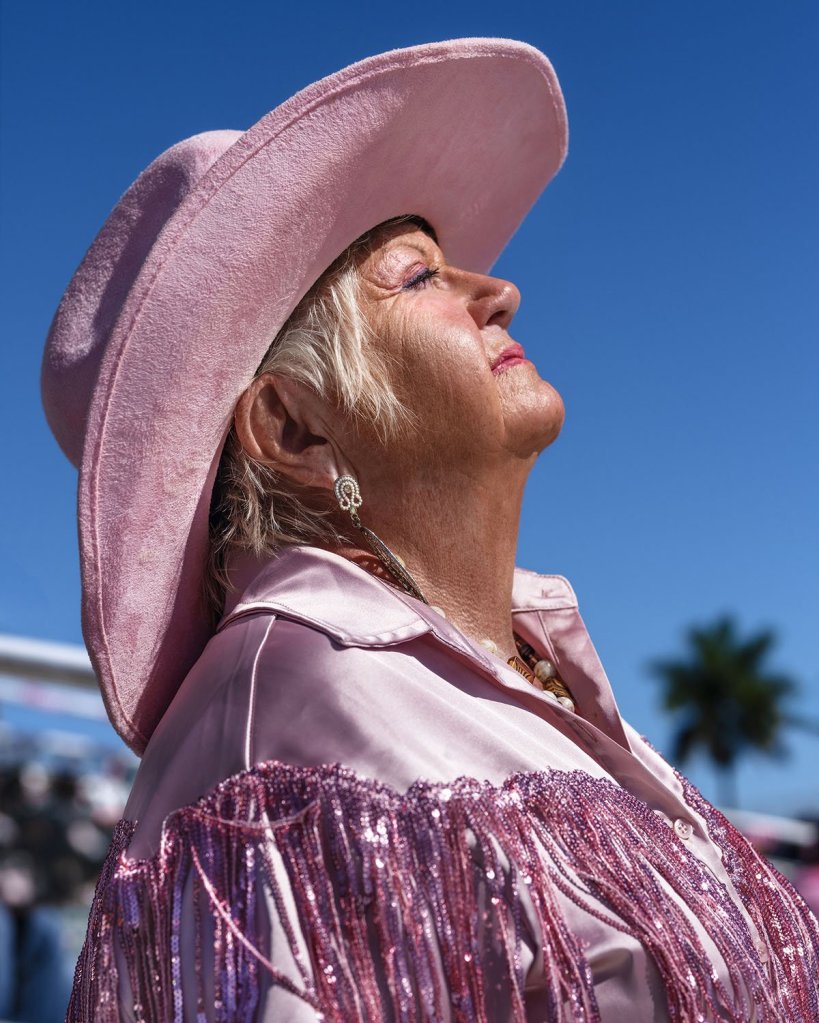
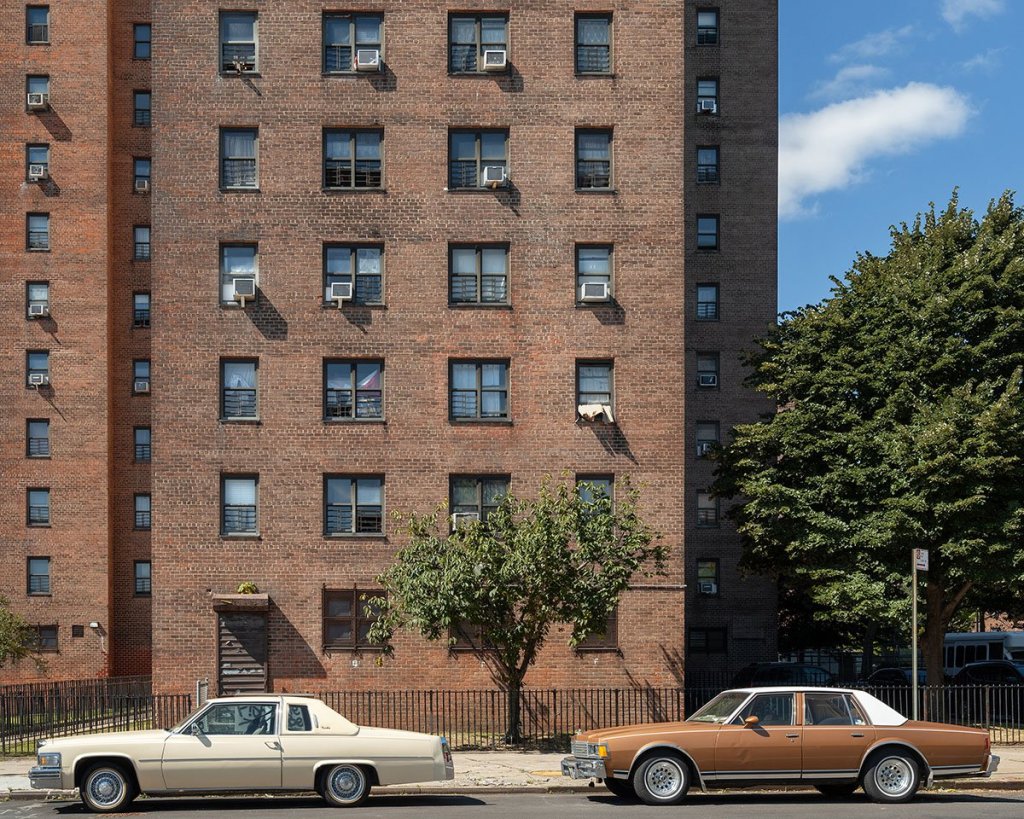
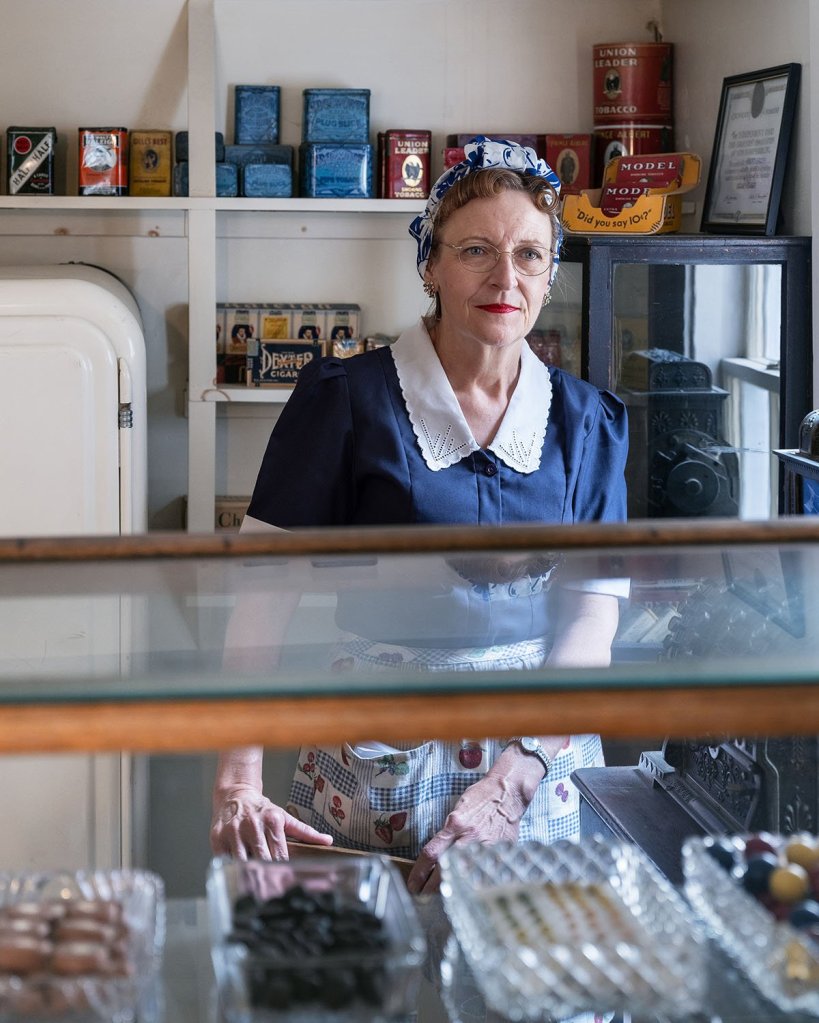
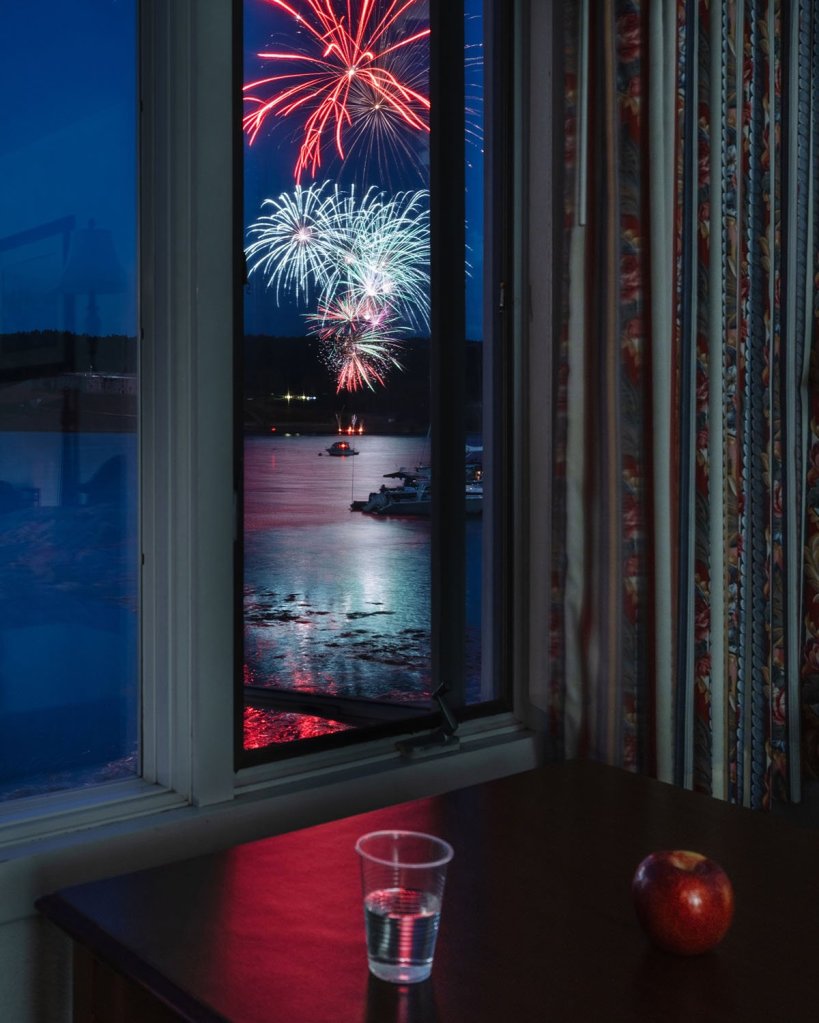
  • Photographer Anastasia Samoylova made the trip up the US east coast, from Florida to Maine.

    In 1954, the American photographer Berenice Abbott set out to document the historic US Route 1, predicting seismic changes to small towns and major cities along the road brought by the rapidly expanding Interstate Highway System. Inspired by Abbott’s acute and poetic observations of life along Route 1, Samoylova retraced Abbott’s trip seventy years later.

    Samoylova’s photographs explore the enduring impact of Route 1 as a corridor of commerce, migration, and myth, revealing how the American landscape continues to be shaped by infrastructure, ideology, and illusion.

    Fifth-Generation Farmer, Garysburg, North Carolina, 2024

    Woman in Pink Hat, Homestead, Florida, 2025

    Jesus Saves, Charleston, South Carolina, 2020

    Two Cars, East Harlem, New York, 2024

    House by Water, Lubec, Maine, 2024

    Historic Reenactor, Portsmouth, New Hampshire, 2024

    Fireworks, Fort Knox, Prospect, Maine, 2024

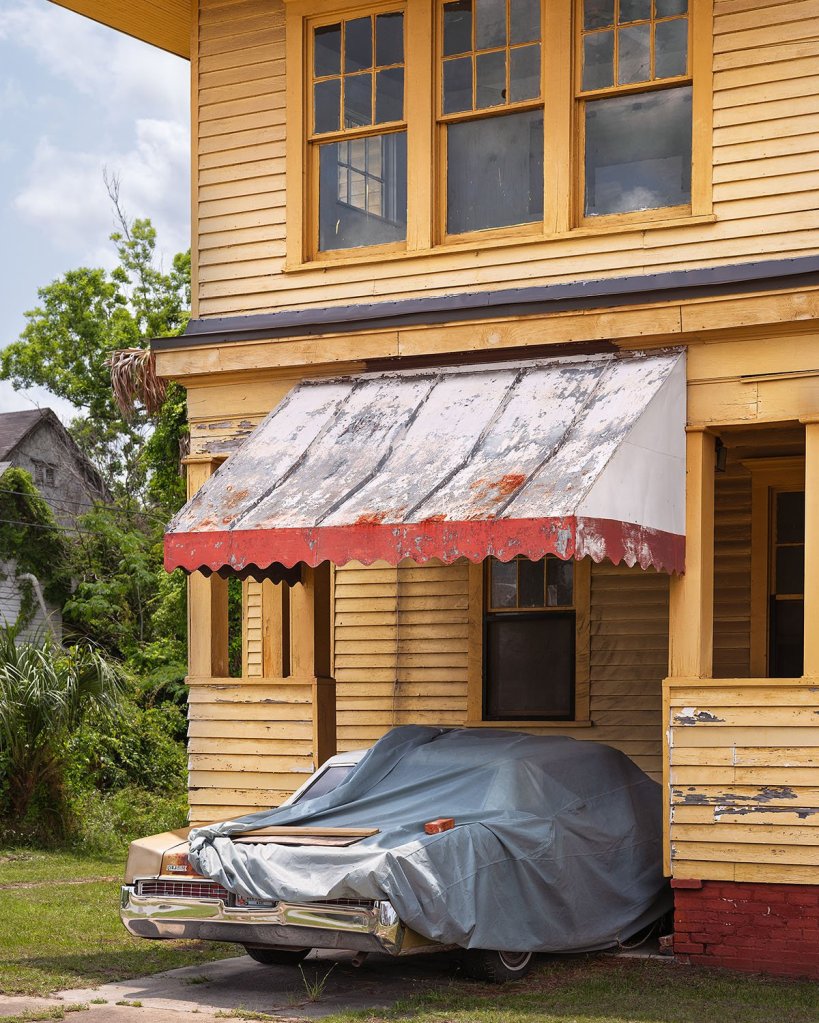
    Covered Car, Waycross, Georgia, 2024

    [Photos © 2025 Anastasia Samoylov

    From her new book, Atlantic Coast.

    Samoylova previously, in Miami.

  • Daniel Sugarman at Jewish News catalogues the increasingly febrile state of play within the pro-Palestinian movement, and particularly the Palestine Solidarity Campaign. Hard-core antisemite David Miller, long-time friend of Iran and Hezbollah, appears to be gaining more influence, and now even Jeremy Corbyn is branded as a lily-livered friend of the Zionists.

    Perhaps the clearest example of the cracks emerging within the wider pro-Palestine movement have become apparent in the targeting of the most high-profile pro-Palestinian politician in Britain (and longtime patron of the PSC) Jeremy Corbyn.

    Recently, Corbyn has been questioned at events organised by Your Party, the new political grouping created to coalesce around the former leader, by activists demanding to know if he is a Zionist. Corbyn and his entourage have seemed confused by the questions – and understandably so. This is a man whose support for the Palestinian cause is decades old, who once referred to both Hamas and Hezbollah as his “friends” (prior to the full proscription of both groups) and described how “Zionists… clearly have two problems. One is they don’t want to study history, and secondly, having lived in this country for a very long time, probably all their lives, they don’t understand English irony either.” The very idea is ludicrous….

    But the questions aimed at Corbyn did not come out of nowhere. In July, David Miller tweeted: “Jeremy Corbyn is a liberal, a Zionist, and a coward who — despite being buoyed by the most popular mass political movement in recent British history — threw it all away to the Zionist movement rather than stand and fight, betraying all his comrades and ensuring certain defeat. He is the last man in the land fit to lead a new socialist party. No lessons have been learned.”

    There are historical parallels to this hyper-leftism and in-fighting currently overtaking the movement, as Sugarman points out.

    It seems clear many anti-Zionists know very little about the Israeli-Palestinian conflict – and what they do know will ultimately have been sourced from grotesquely one-sided works by writers such as Ilan Pappe, Avi Shlaim and Rashid Khalidi. I imagine relatively few of them, particularly among the younger generation, know much about the Abu Nidal organisation; not in terms of the terror attacks it carried out internationally in support of the Palestinian cause, but specifically how it brought itself to destruction. So, as a public service, I thought it might be helpful to provide that information.

    The Abu Nidal organisation, named after the nom de guerre of its founder, Sabri Khalil al-Banna (“Abu Nidal” means “father of struggle”), split from the PLO in the 1970, over the position as to whether there should be any compromise whatsoever with Israel. The ANO maintained that there could be no solution other than a struggle to the death. It was subsequently responsible for the murders of hundreds of civilians around the world, in dozens of terror attacks.

    But what the ANO would ultimately become better known for was the murder of hundreds of its own Palestinian members, accused of being traitors. As Abu Nidal’s paranoia grew, members of the group would regularly be tortured, including via the melting of plastic onto skin, frying their genitals, and whipping them until unconsciousness before ‘reviving’ them by rubbing salt into their wounds.

    When the prison cells grew too full to house all the organisation’s members accused of treachery, newly suspected traitors would be buried alive, with nothing but a steel pipe connecting them to above to enable them to breathe. If (or rather when) Abu Nidal had determined their guilt to his own satisfaction, death would simply come by a bullet shot down that breathing tube.

    Eventually, the organisation collapsed under the weight of its own paranoia.

    It is up to the wider pro-Palestinian movement in Britain whether they decide that such a path – in terms of rhetoric, rather than torture and death – is something they particularly want to pursue. Zionists like me will certainly not mourn the movement’s inevitable self-destruction if they do.

  • That Julie Bindel-Helen Webberley debate.

    Added: