Getting to grips with a modern masterpiece at the Saatchi Gallery:
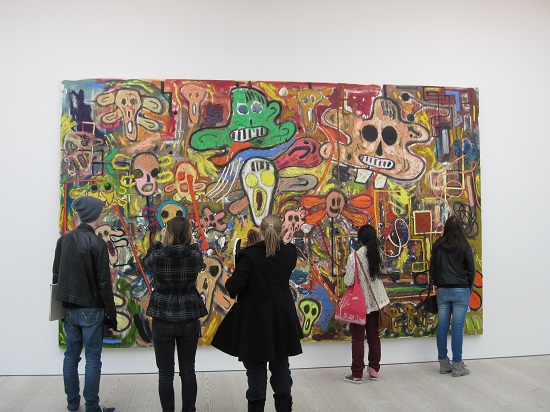
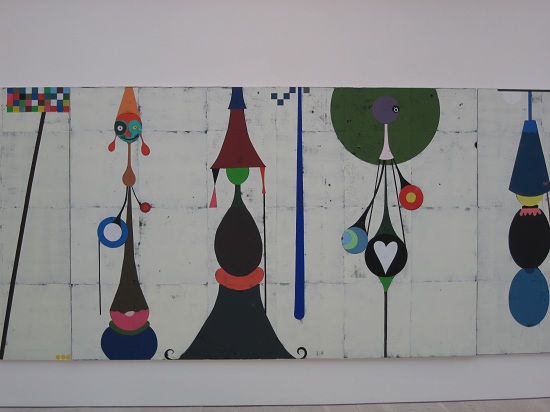
By André Butzer, from the show Gesamtkunstwetrk: New Art from Germany. It could almost be a caricature of "modern art".
As you'd expect from an exhibition drawing together artists united only by their nationality, there's a mixture of the great and the not so great. Still, it is free, unless you want to spend £1 on a guide, or £10 on a catalogue.
Best, though, not to consult the guide too often. Here, for instance, is a piece by Josephine Meckseper:
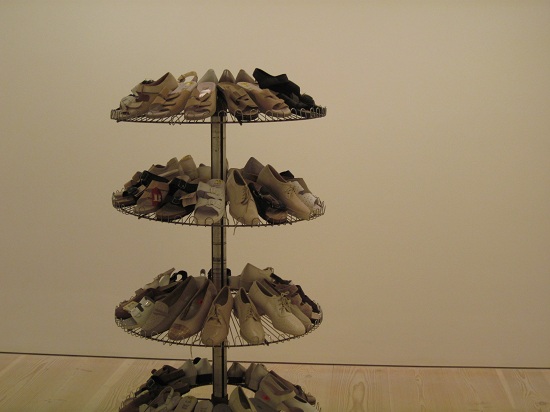
It is, as you can see, one of those display carousels you get in shoe shops. Naturally when consulting the guide I expected to read something from Fr. Meckseper along the lines of:
Being an artist I have lots of spare time, and one of my favourite things to do with that time is to go shopping. Hey, who doesn't like shopping? Especially shoe shops, where everyone tries on the shoes while they're hopping around – it's so funny! But really, isn't it wonderful how you can walk in and try all these different shoes which have been made by people all over the world and brought together in one place just so you can choose the ones you like best? I think we take these little everyday things far too much for granted…
Imagine my shock on discovering that the title of this piece – "Where the feet are, there is the fatherland" - would seem to suggest that this is far from being the celebration of display carousels and modern merchandising technology I'd naively assumed:
Josephine Meckseper makes collages and installations that reconstruct the worlds of contemporary advertising and fashion in the context of the gallery, as a way of critiquing the political implications of the iconography of consumer culture.
So she's critiquing! I should have known.
Meckseper's politically engaged works highlight ongoing problems of corporate corruption, status anxiety, social privilege and representations of women. They are also a chilling reminder of the excesses and distortions of capitalism, which has created a world in which, she would argue, there is no separation between materialism and political ideology: we are what we buy.
We are all shoes! Yes, of course, it's obvious once it's been pointed out…
Here's a detail from another of her pieces. "The hare of contradiction", it could be called:
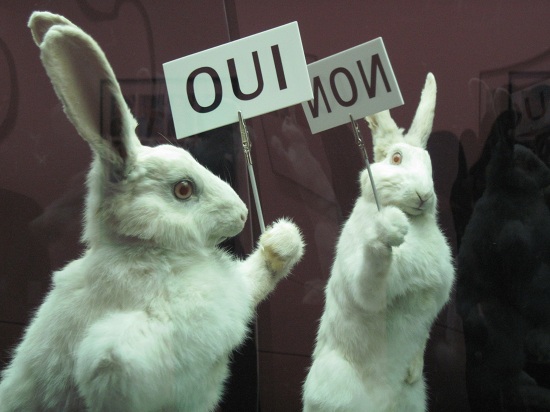
Except it isn't. The real title is "The Complete History of Postcontemporary Art". No doubt she's critiquing….something. Status anxiety? Representations of furry animals? French protest marches?
Elsewhere, Thomas Zipp goes for black:
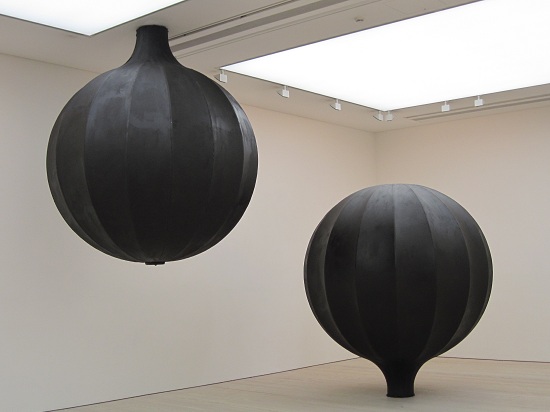
Black's never a good sign. Let's look at the guide again. Yes, it's all about the BLACK VOID AT THE HEART OF WESTERN CIVILISATION:
In Zipp’s works, the free-association of the unconscious is an entry point into investigating collective guilt…
Zipp's installations appropriate the language of museum and scientific display to convey a foreboding view of western civilisation's achievements. Each of Zipp's charismatic works aims to shed light on the quasi-fictional truths of post-Enlightenment so-called progress, conveying a sense of the real darkness lurking behind violent acts that are historically constructed as victories.
Ah well. As I said, best to forget about the guide and concentrate on the art itself. There are plenty of colourful bits and pieces to enjoy:
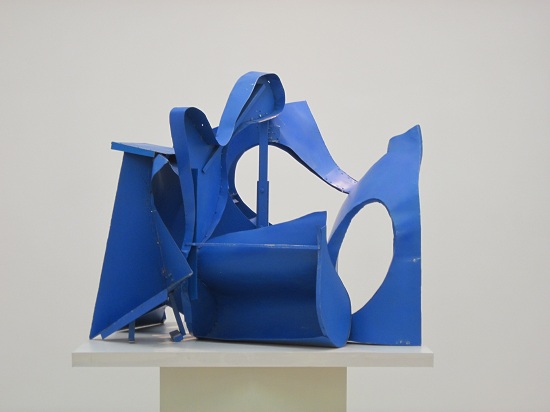
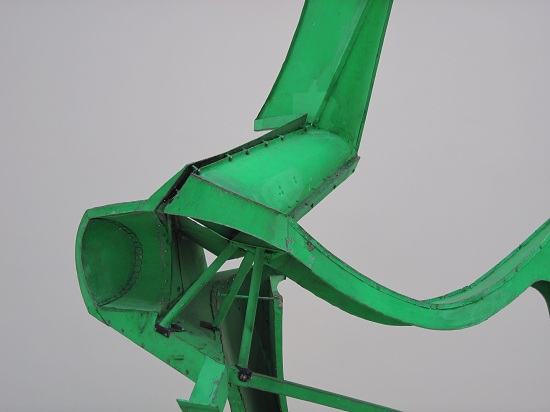
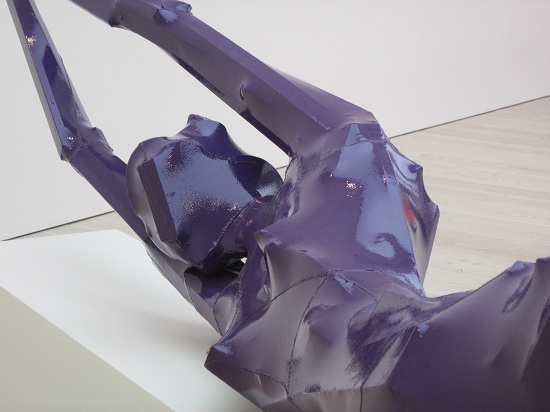
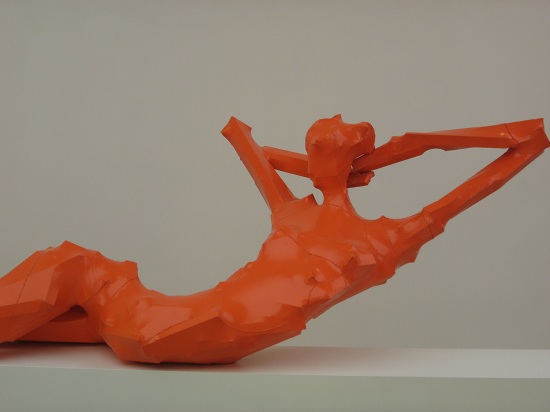
Best, for me, twin brothers Gert and Uwe Tobias, originally from Romania, with their gorgeous folk-arty Miro-from-the-Carpathians style woodcut panels:
Definitely worth travelling over to Chelsea to see.
 Mick Hartley
Leave a comment