• Meanwhile, in Brussels:

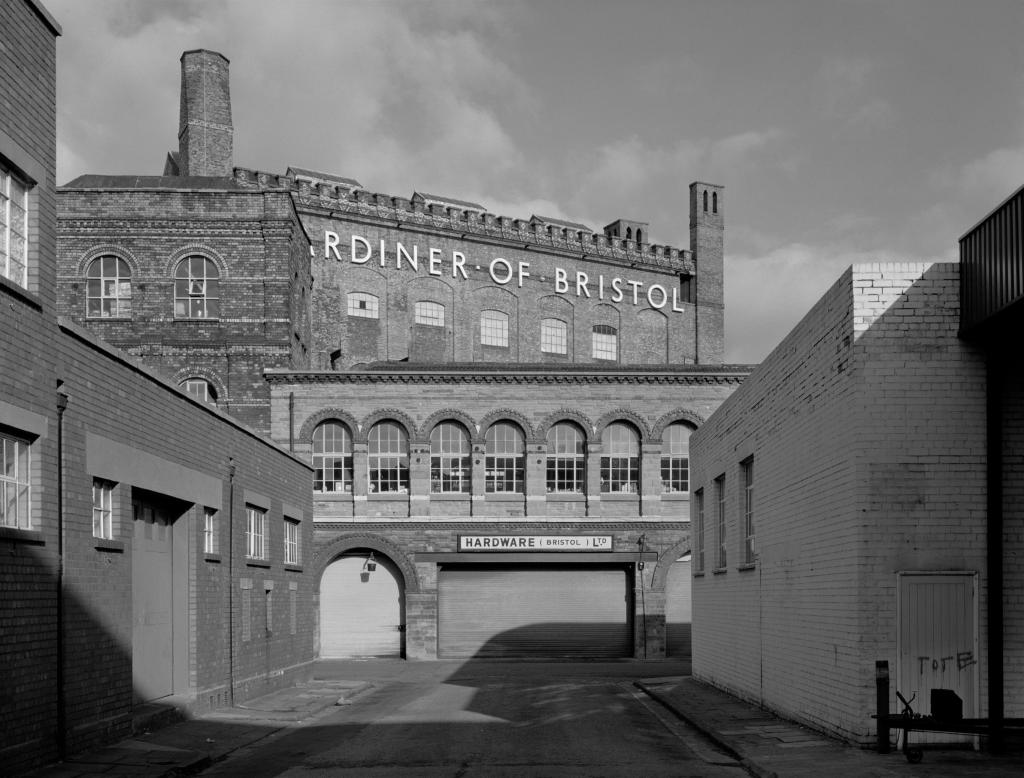
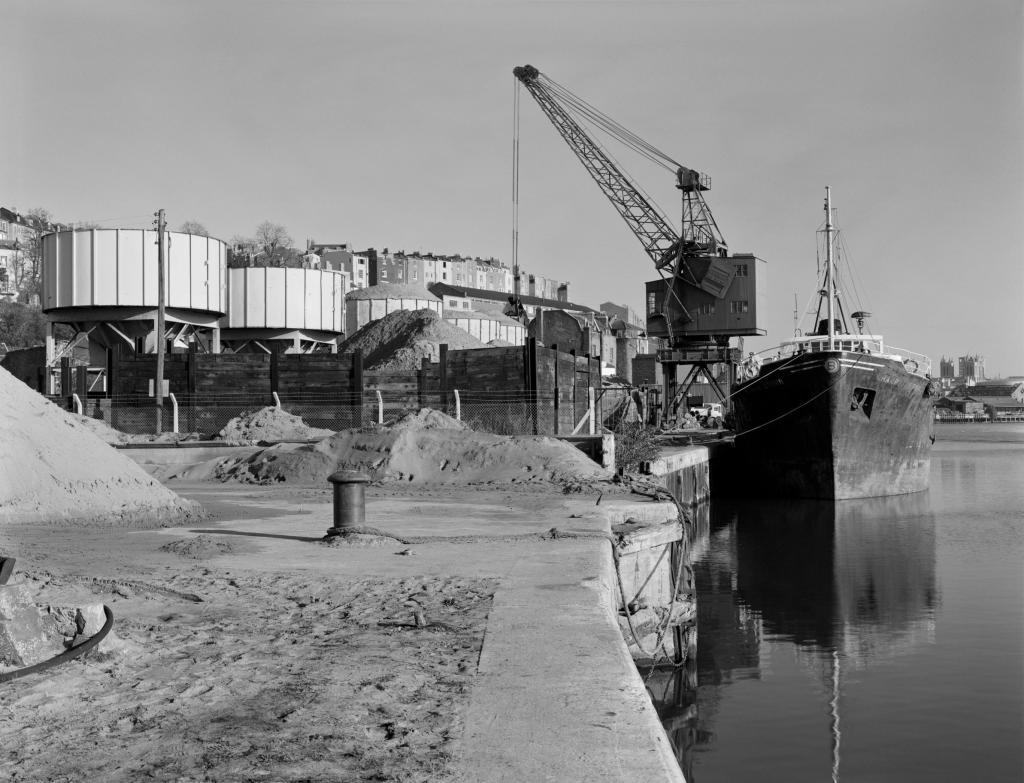
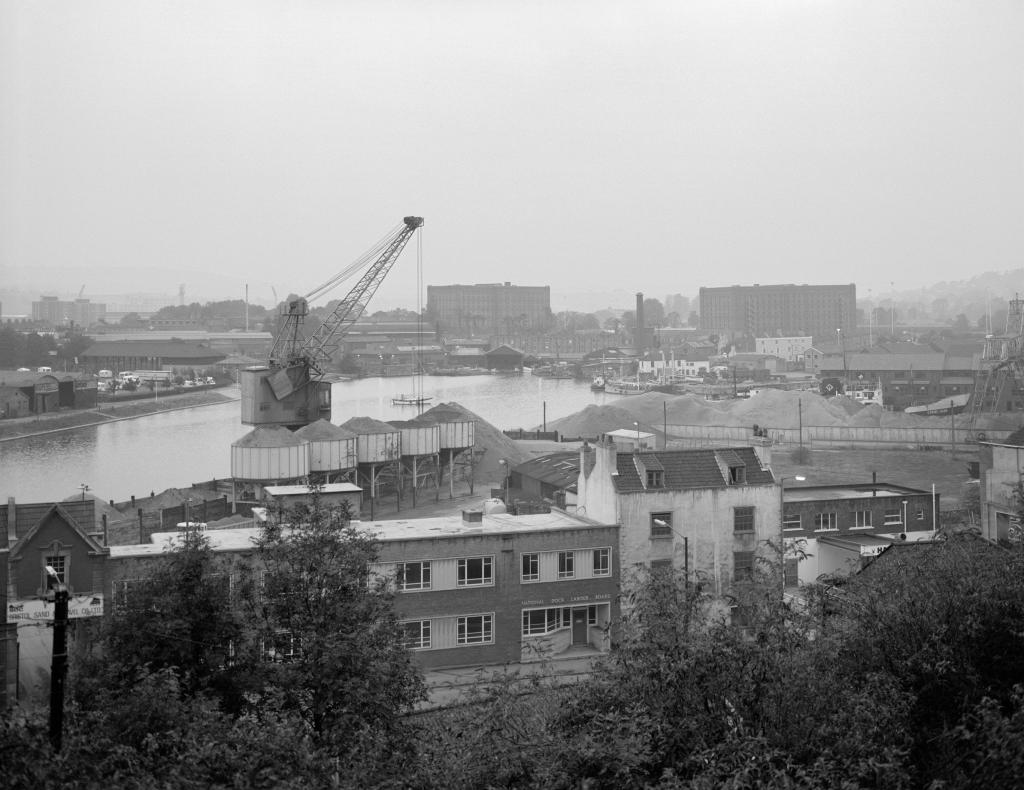
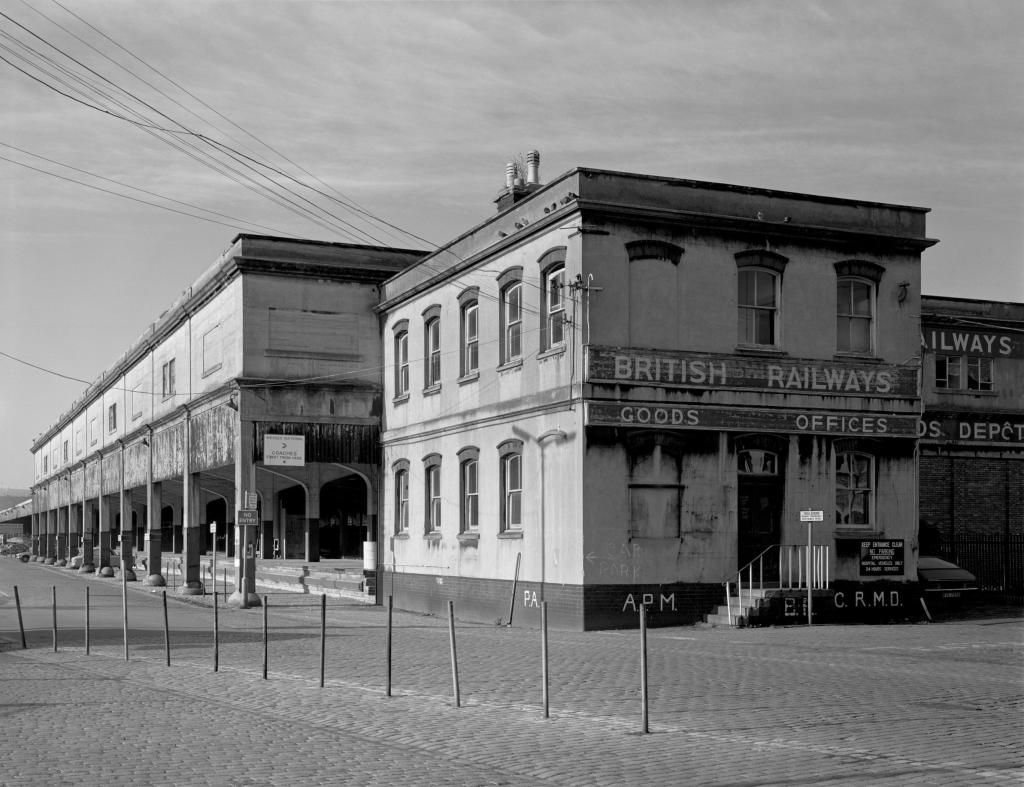
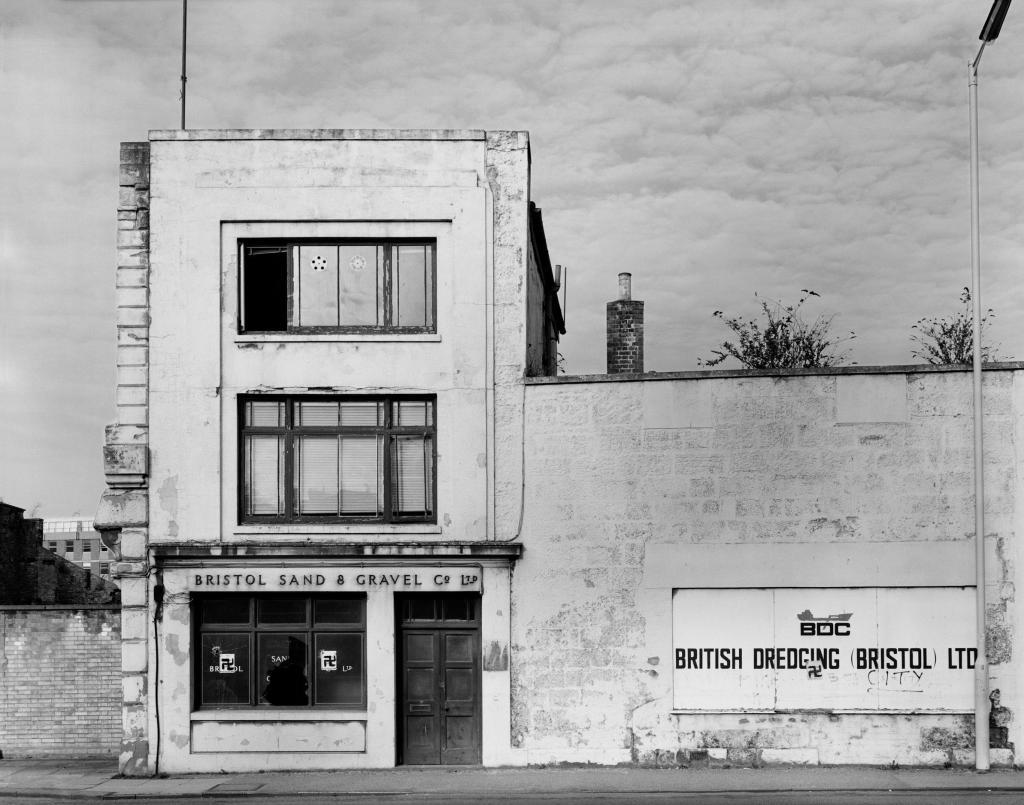
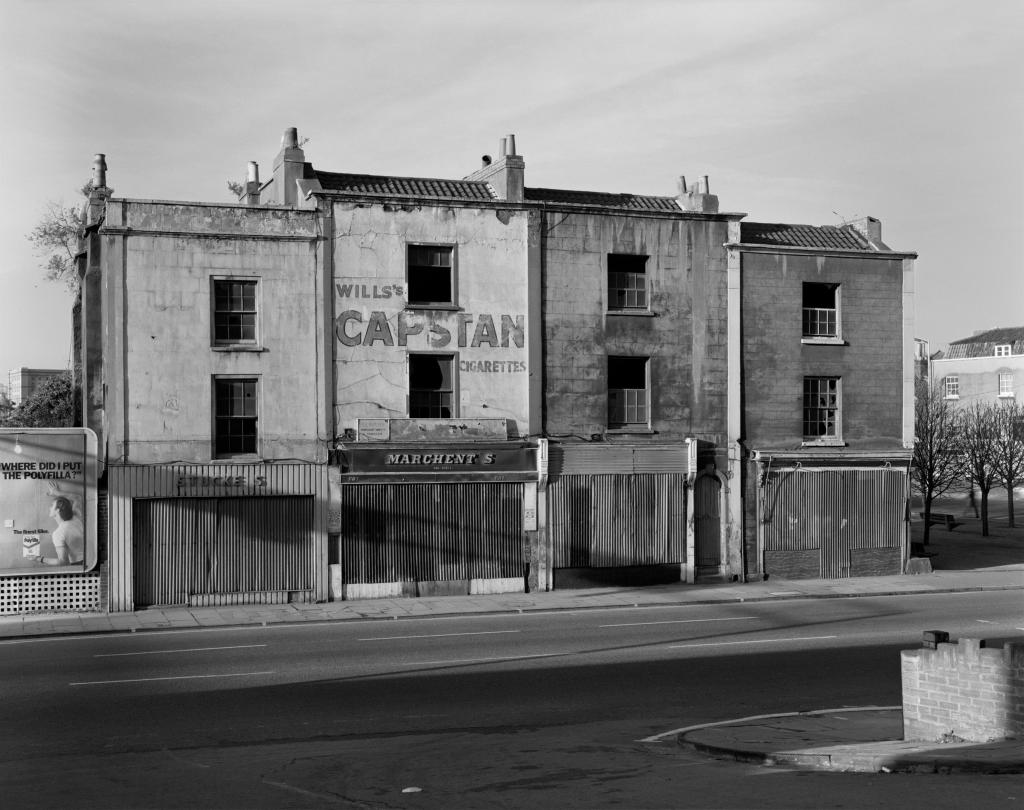
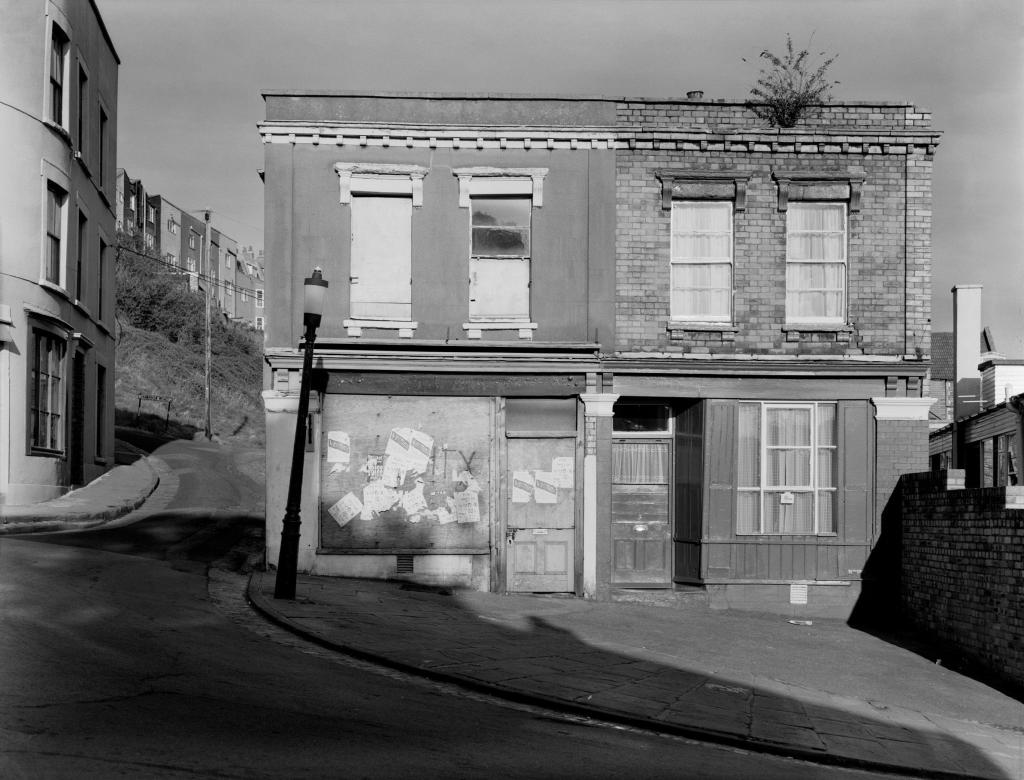
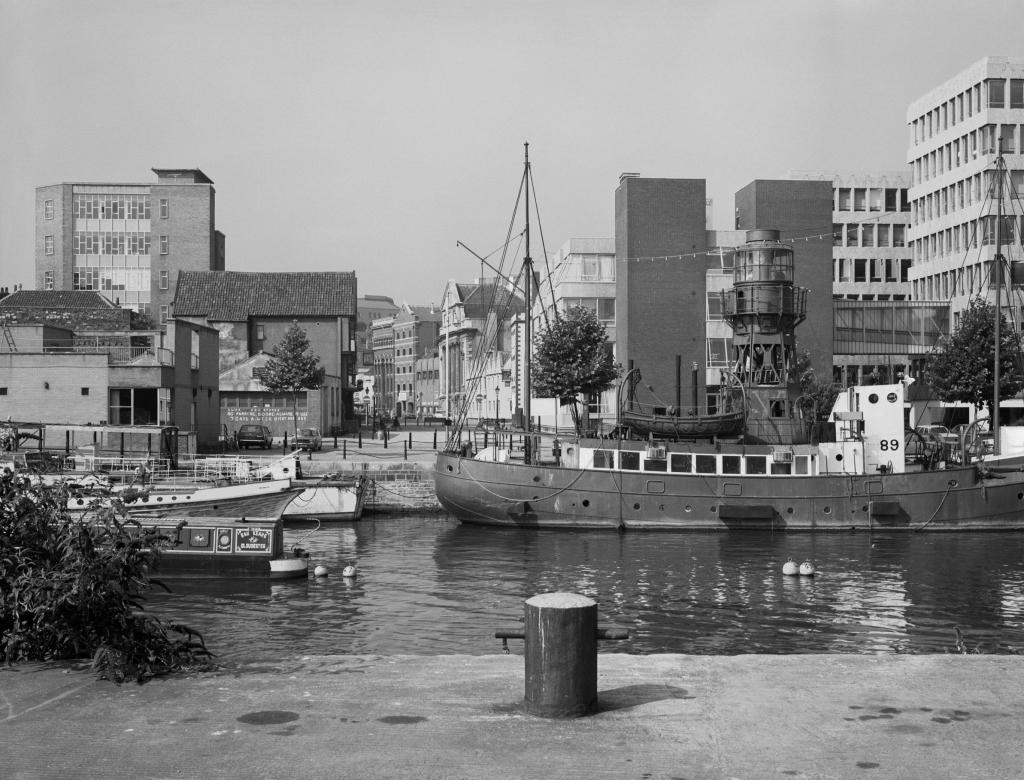
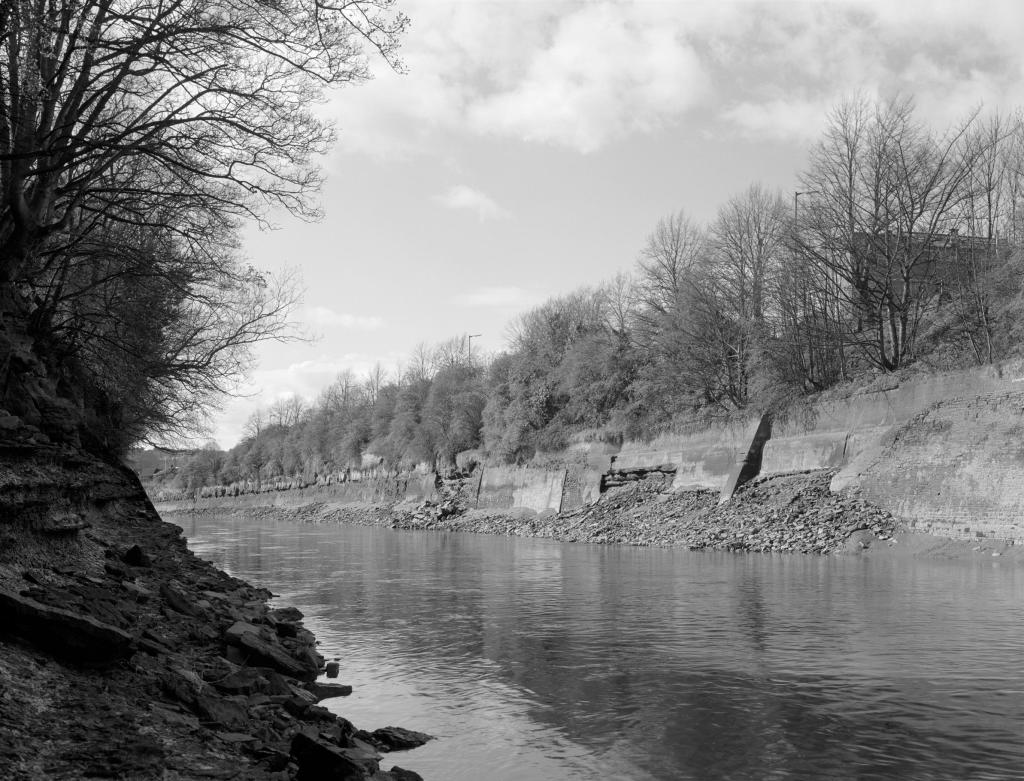
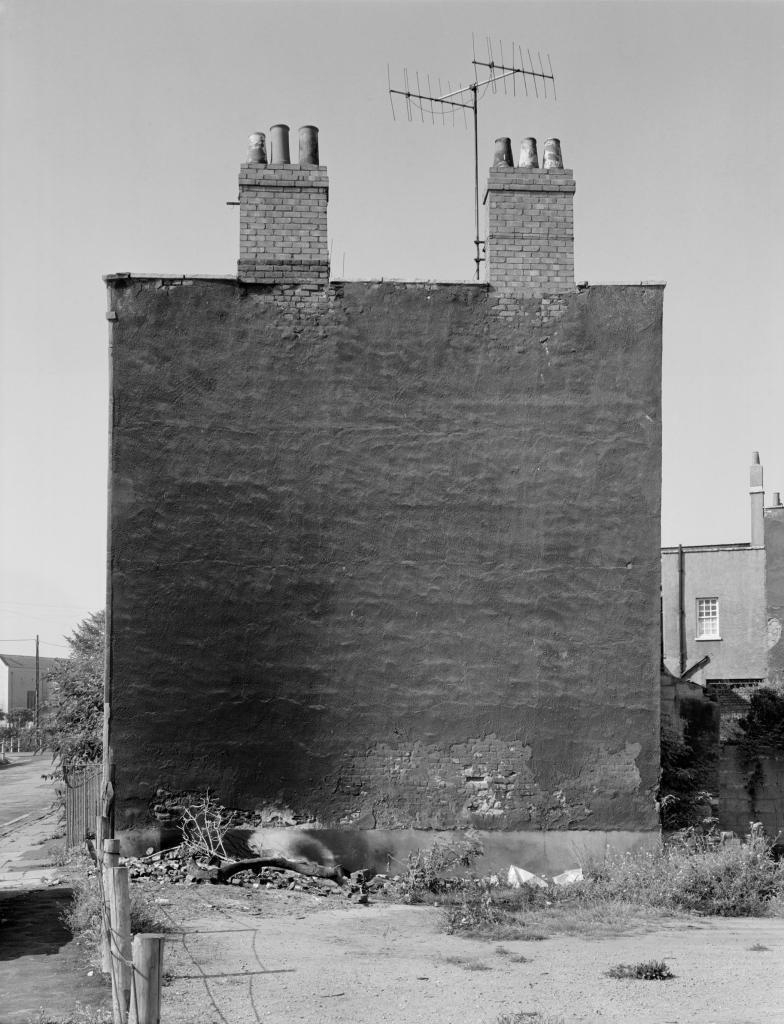
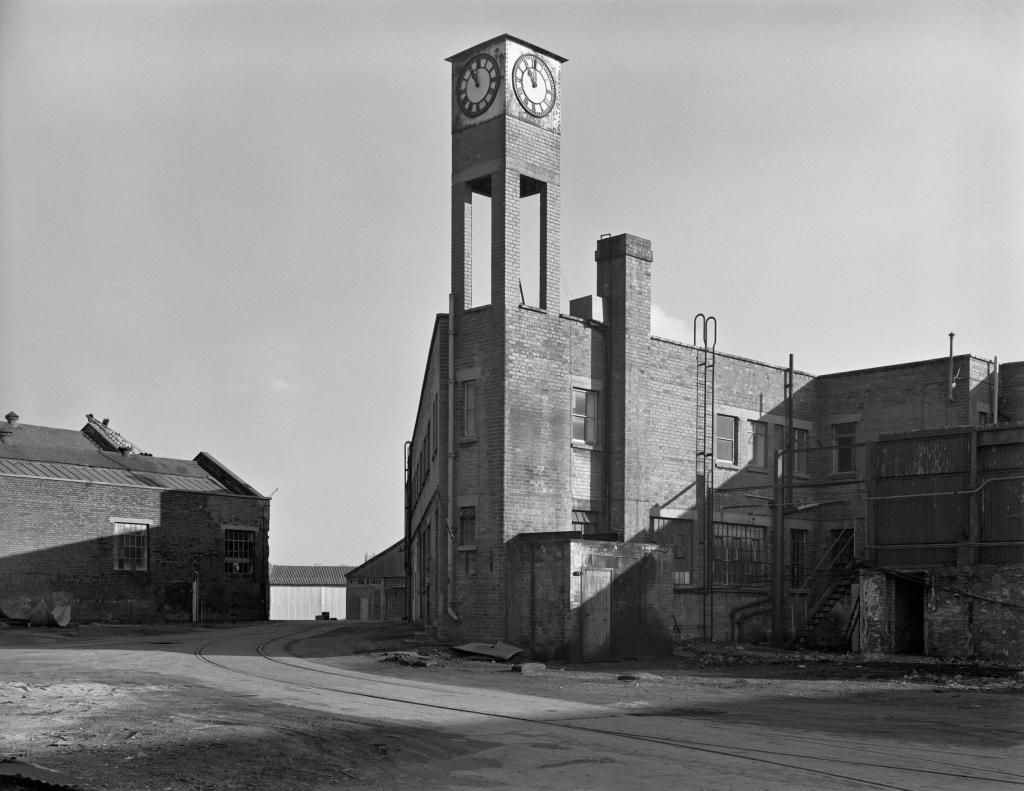
  • Photos by Jem Southam, shot along Bristol’s harbourside between 1978 and 1983. From his book The Harbour:

    The Harbour chronicles a period of significant change for the city which reflects the wider experience of loss and regeneration in Britain at the time. After centuries during which the harbour was a central hub of the commerce of the city and great generator of its wealth, through fair and foul means, they had largely fallen silent.

    The end of that working life in the late sixties to the mid-seventies, left the sculptural presence of The Floating Harbour, surrounded by the disused and decaying dockland fabric: The cranes, the bridges, the pump-houses, the warehouses and in particular the giant bonded warehouses, the offices, the railways, the terraces of houses, the ship-building yards with their dry docks, the sand yards.

    In The Harbour Jem documents the disused and neglected infrastructure, a brief period of calm after those centuries of activity, before the redevelopment really got going. It is an archival record of the architectural landscape rather than meditation on loss. The industrial life of the docks, and all the human stories it impacted, preserved in record but not mourned.

    Offices, Albion Dockyard 1979

    Broad Plain 1980

    Sand Wharf, Hotwells 1978

    View of Hotwells Sand Wharf and the Underfall Yard 1979

    Gas Works, Anchor Road 1979

    Canon’s Marsh Goods Station 1978

    Bristol Sand and Gravel offices 1980

    Hotwells Road 1978

    Ambra Vale, Hotwells 1978

    View to Welsh Back and Kings Street 1980

    The New Cut 1980

    Bathurst Parade 1979

    [Photos ©Jem Southam]

  • Guardian article here.

    While Benjamin Netanyahu earlier this year achieved his dream of dragging the US into a military confrontation with Iran, it came at a steep and unprecedented cost for Israel. Seeing Netanyahu beg Donald Trump to be bailed out from a quagmire, a rising number of Americans openly acknowledge that Israel is not an ally but a liability. In September, the US’s Arab allies also reached the conclusion that we Iranians have always underscored: Israel’s recklessness is a threat to all.

    This reality is paving the way for whole new relationships that may transform our region. The US administration now faces a dilemma: it can continue writing blank cheques for Israel with American taxpayer dollars and credibility, or be part of a tectonic change for the better. For decades, western policy towards our region has been mostly shaped by myths originating from Israel. The war in June was momentous for a number of reasons, including how it exposed the cost for the west of mistaking mythology for strategy. Israel and its proxies claim a “decisive victory”, with Iran left weakened and deterred. Yet our vast strategic depth – the country covers an area the size of western Europe, and has a population 10 times that of Israel’s – meant that most of our provinces were untouched by Israel’s aggression. In contrast, all Israelis experienced the might of our military. The narrative of invulnerability – central to Israel’s myth-making machine – has been shattered.

    The grim truth is that the Guardian editors probably agree with all this.

    Added:

  • From the JC:

    A child and a Jewish camp leader were thrown out of an Uber on a country road in the middle of the night following a discussion about Judaism and Israel that the driver initiated, it has been claimed.

    The incident took place just after 3am on Friday morning in Staffordshire. The passengers, a Bnei Akiva camp leader and a young camp participant, were on their way back to camp after visiting a nearby hospital.

    Following a conversation initiated by the driver about religion, the driver apparently became “aggressive”, according to Staffordshire Police, and left the pair on the side of the road…

    I wonder if we can make an informed guess as to the religion of the Uber driver….

  • It’s encouraging that the new head of the Equality and Human Rights Commission, Dr Mary-Ann Stephenson, is staying firm on the question of single-sex spaces. From the Times:

    The government is facing renewed pressure to publish delayed guidance on single-sex spaces after the new chair of the equalities watchdog insisted the document was “legally sound”.

    Dr Mary-Ann Stephenson addressed the issue of the guidance after replacing Baroness Falkner of Margravine as head of the Equality and Human Rights Commission (EHRC) earlier this month.

    The EHRC submitted its updated code of practice to Bridget Phillipson, the women and equalities minister, in September. But four months on, the guidance, which will be used by businesses and other organisations to inform their provision of single-sex services such as toilets and changing rooms, is still awaiting ministerial approval.

    It’s quite clear by now that the government has no appetite for this, preferring to prevaricate as long as possible to appease their trans support. When Bridget Phillipson cites the example of a woman not being able to bring her male infant into the women’s toilet as a an example of the “difficulties” that need to be ironed out, you know she’s desperate.

    Rosie Duffield, a former Labour politician who stands as an independent MP after resigning from the party, said in the wake of Stephenson’s comments women’s groups were “furious” about the delay and urged the government to act.

    Duffield, who has been a long-time campaigner for female-only spaces and services to remain single sex, told The Times: “As the chair of the EHRC says, the work they have done is comprehensive and legally sound. All the government have to do is implement that and give clear guidance to the organisations who have been waiting for almost five months now.

    “They have to abide by the Supreme Court’s ruling and have said they will, so why the huge gap between saying that and acknowledging the work of the EHRC, who have issued clear and straightforward guidance?”

    Maya Forstater, chief executive of Sex Matters, which campaigns for single-sex rights, warned that any further delays could land the government in court. She said: “The government seems to be engaged in a frantic search for loopholes in the Supreme Court’s judgment that sex in the Equality Act means biology, not paperwork.

    “This is a shameful way to behave. Rather than dragging its feet, the government needs to lay the EHRC guidance before parliament without delay, and moreover ensure all its own policies comply with the law. The government has only two choices: follow the law or change the law. If it continues to prevaricate, it will end up in court.”

  • A fitting postscript to that previous “community of the good” post, from the Telegraph. BBC boss criticised over discredited Gaza documentary handed OBE:

    A former BBC executive criticised over a now-discredited Gaza documentary has been awarded an OBE in the New Year Honours List.

    Charlotte Moore was the corporation’s chief content officer when Gaza: How to Survive a Warzone was broadcast in February. It later emerged that it was narrated by the son of a Hamas official.

    She has been recognised for services to public service broadcasting in an honours list that risks accusations it rewards failure.

    Others given awards include a police chief who blocked job applications from white candidates and the National Trust chief who ordered a “woke” audit of its properties’ links to the slave trade.

    Ms Moore, who held her post from 2020 until she left earlier this year, was one of three senior bosses to bear the brunt of the criticism over the Gaza documentary, after the narrator, who was then 13, was revealed to be the son of a Hamas government minister.

    The BBC board said at the time that “significant and damaging” mistakes had been made and removed the documentary from its iPlayer streaming service. It said the corporation had made “unacceptable” mistakes, which had had an impact on its reputation.

    Never mind. She may have cemented the BBC’s already rock-bottom reputation for its reporting on Gaza, but it’s what all the “community of the good” people think anyway – so that’s fine.

  • The problem is not a single failure. It is that the UK’s information ecosystem has been captured by what can be called a self-styled “community of the good” – and it is leading the country toward oblivion….

    Layer on top of that a culture of institutional laziness, risk aversion, and an inability to truly engage in critical thinking – and you get a system where almost nobody at senior levels seriously challenges the worldview being presented to them

    Even when scrutiny occurs, it is shallow, and never deep enough to penetrate the protective forcefield around the “community of the good”.

    Because this ecosystem is overwhelmingly left-leaning, @UKLabour are the worst offenders – but the scale of the problem also explains why even years of @Conservatives government failed to correct course.

    The ship never turns because the compass is broken.

    Alaa Abd El Fattah passed through this system because every voice the government reflexively trusts was pointing in the same corrupted direction.

    As long as policymakers assume this is a good-faith environment – where enemy actors play by the rules -the UK will continue to be undermined from within.