• It's the same old tactic we've seen in news reports since Oct. 7th: first the lies against Israel, then the truth:

    A story on Al Jazeera’s website accusing Israeli soldiers of raping women during the attack against Hamas and Islamic Jihad terrorists inside Shifa Hospital has been reportedly deleted.

    The story was reportedly live for 24 hours before it was taken down.

    Qatar-based news organisation Al Jazeera has not officially referred to the retraction, Jerusalem Post wrote.

    Al Jazeera columnist and former director Yasser Abuhilalah tweeted: “It was revealed through Hamas investigations that the story of the rape of women in Al-Shifa Hospital was fabricated…

    “The woman who spoke about rape justified her exaggeration and incorrect talk by saying that the goal was to arouse the nation’s fervor and brotherhood.”

    Well that's OK then.

  • It's possible that the only reason many of us in the UK are aware of FIDE's decision to ban trans players from women's chess tournaments is because the story was behind the Justin Webb affair , when the BBC tied itself in knots over an employee daring to suggest live on air that trans women are in fact men.

    Anyway, Carole Hooven now has a long article at Quillette – Why Do Men Dominate Chess?

    Well – it's complicated. She looks at possible explanations:

    More men take up the game.
    Straightforward sexism.
    Greater male variance: the ability curve for men is more spread out, so you'd get more top-class male players, and also presumably more rubbish players as well.
    Innate male differences. These would include not just possible factors such as spatial awareness, but also the single-minded determination to practice, to compete, and to win.

    In the end – and it's worth reading the whole piece – she comes down more with the latter: male determination, single-mindedness, and competitiveness.

    Her conclusion:

    I don’t see evidence for the idea that socialization alone explains the stronger male tendency to focus obsessively on doing whatever is necessary to win, even at board games. And there are good reasons to think that this tendency has an evolutionary basis: In the animal kingdom, males tend to devote more time, energy, and risk to status competition, since this tends to pay more reproductive benefits for males than females. So it’s not unreasonable to suspect that boys and men have some kind of biological advantage—possibly underpinned by higher lifetime exposure to testosterone—that helps explain their over-representation in tournament-level competition in general. (While this particular brand of competitiveness may have a strong evolutionary explanation, it is unlikely to be the wisest reproductive strategy in today’s world.)

    Ultimately, sex differences in complex behaviors and skills are always a product of interactions between biology on the one hand (that is, our genes and their relatively fixed effects, such as hormone levels and body size) and our environment on the other (that is, factors such as our family circumstances, social dynamics, and cultural norms). Interactions between the two shape not only our skills and abilities, but also any emerging group differences. But none such complicating factors change the fact that the sex gap in chess is real and persistent. Given the circumstances that led to the creation of the female category, and the fact that many girls and women appreciate what this category offers, FIDE is correct to take the steps necessary to protect its integrity.

    It's a strange pursuit, perhaps: pushing pieces round a board to defeat – to crush – your opponent. Despite the formal observation of decent manners – the cold hand-shake at the end – there's always the hint of humiliation dished out to the loser. To be really good you need to be obsessive, and very competitive – standard male characteristics. One woman commenter noted that the reason she gave up chess at college was because the mens' reaction when she beat them was so off-putting.

  • Just stuck an "i" in his name and he was ready to go.

    https://platform.twitter.com/widgets.js

  • Tom Gross at Sapir:

    A few months before I graduated from Oxford, I was interviewed for the British Broadcasting Corporation’s prestigious two-year journalist trainee course. This was the best way at the time to secure a job at Britain’s most respected news broadcaster. A committee of five interviewed me. The chair asked whether there was anything I would have changed about a recent edition of BBC One’s then-flagship Nine O’Clock News.

    In a calm and reasoned way, I said that although the BBC could not report on everything in its half-hour bulletin and had to be selective about which international items to cover alongside British ones, it had struck me that Saddam Hussein’s gassing of the Iraqi Kurds at Halabja deserved to be much higher up on BBC News than it had been.

    I pointed out that this horrific act was the largest use of chemical weapons against a civilian target since World War II. Between 3,000 and 5,000 Kurdish children and adults had been gassed to death. Yet the BBC had only mentioned it in passing about 20 minutes into its news bulletin, after a light-hearted item about Prince Charles. I added that the BBC’s main news competitor in Britain at the time, ITN, had led its evening news bulletin that day with a five-minute report on the gassing of the Kurds.

    There was silence in the room. The members of the BBC interviewing panel glanced at one another with expressions of bemusement. The chair then turned and asked me, with a slight scowl, “Are you a Zionist?”

    And then, before I could answer, my interview came to an end.

    A comprehensive look at the BBC's decades-old bias against Israel. Worth reading in full.

    Yet, as the biggest and arguably most influential news organization in the world, broadcasting in dozens of languages on multiple TV and radio platforms as well as online, to a combined audience of about half a billion people, the BBC may be Israel’s most problematic antagonist among Western media. Its power and prominence are further guaranteed by the lavish funding it enjoys as a public broadcaster, funded by a license fee from every television owner in Britain, whether or not he or she actually watches the BBC. For its audience of hundreds of millions, including world leaders, it retains an unrivaled reputation for accuracy and impartiality — an increasingly rare phenomenon in this era of fake or partisan news.

    This reputation is not deserved. And while the BBC is regarded as biased on many issues (Brexit, for instance) in a way that has angered large sections of the British public, when it comes to Israel, its distortions and one-sidedness are in a league of their own.

  • The French are waking up:

    French Senators want to ban gender transition treatments for under-18s, after a report described sex reassignment in minors as potentially “one of the greatest ethical scandals in the history of medicine”.

    The report, commissioned by the opposition centre-Right Les Republicains (LR) party, documents various practices by health professionals, which it claims are indoctrinated by a “trans-affirmative” ideology under the sway of experienced trans-activist associations.

    The report, which cites a “tense scientific and medical debate”, accuses such associations of encouraging gender transition in minors via intense propaganda campaigns on social media.

  • It's one step forward – banning puberty blockers – then one step back – making it easier to get cross-sex hormones. From today's Sunday Times:

    The Tavistock Centre’s Gender Identity Development Service (Gids) is closing this month after a review by Dr Hilary Cass said it was “not safe”.

    Seventeen-year-olds who were on its 6,000-strong waiting list have been offered a referral to an adult NHS gender clinic. These can approve “gender-affirming”, or cross-sex, hormone treatment as well as, from the age of 18, a pathway to reassignment surgery such as mastectomies. A letter to one teenager inviting them to attend an adult clinic warns about possible long-term risks to fertility.

    The government regulator, the Care Quality Commission (CQC), has also approved the registration of a new private practice in east London which can refer patients aged 16 to 18 for cross-sex hormone treatment. Gender Plus Healthcare, which runs the Gender Plus hormone clinic, the first private paediatric hormone clinic licensed in England, has been set up by former Gids specialist Dr Aidan Kelly.

    In a surprise move, last week NHS England said the new NHS youth gender services that are replacing Gids would also offer cross-sex, feminising and masculinising hormones to children “from around their 16th birthday” provided certain conditions were met. These include approval from an independent NHS group….

    At Gids, children could only access it once they had been on puberty blockers for a year beforehand. These drugs pause the physical changes of puberty such as breast development or facial hair. The new regime skips this step — blockers cannot be prescribed unless part of a clinical trial — and goes straight to cross-sex hormones.

    Mothers and clinicians involved in legal actions being brought this week say they fear there is not enough evidence about the long-term effects of such treatments. They want cross-sex hormone treatments to be banned before the age of 25, when they say the developing brain finally matures.

    Sue Evans, the nurse and psychotherapist who was one of the original staff who blew the whistle on practices at the Tavistock Gids clinic, will this week seek a judicial review of the regulator’s decision to register Gender Plus Healthcare. She is going to court alongside the mother of a 15-year-old who “believes they are the opposite sex”, according to the mother.

    Evans said she was concerned that there was not enough evidence about the long-term effects of cross-sex hormone treatments on youngsters. “With cross-sex hormones you are putting hormones into the body that will have a huge impact,” said Evans.

    “For women, they grow beards, they sometimes develop baldness, there is lowering of their voice and thickening of their jaw. Then they have things like vaginal atrophy which leads to urinary infections and can lead to difficulties around sex.

    “With men there are shorter-term effects: they have breast development, often gain weight in female-typical ways, thickening of the waist where men do not usually have it, and a decrease in their sexual drive because their testosterone is being suppressed.”

    She said the longer-term impacts were still unknown. “We now have an explosion of 17-year-olds coming through. All the kids who were 11 when this phenomenon kicked off six years ago are now 17 and heading up to the adult services so it is a real worry,” she added.

    “And because the waiting lists are long the middle classes who have the money to pay are getting pressurised by their kids to go the private route. I want to see a ban on cross-sex hormones for under 18s in both private and NHS services in the UK.”…

    Hannah Barnes, the former BBC journalist who investigated Gids and has an updated version of her bestselling book, Time To Think, published next week, said the new guidance on cross-sex hormones at 16 “baffles” her.

    “For those born female, even a short period of time on testosterone will have completely irreversible effects,” she said. “The question is whether anyone approaching their 16th birthday can possibly understand the full consequences of what they are doing.”

    Paul Conrathe from SinclairsLaw, who is acting in the Evans case, said: “The decision of the CQC to license the first paediatric hormone clinic is a leap in the dark. As regulator, the CQC is responsible for ensuring the public and especially the vulnerable and children receive safe and effective medical treatment. Concerns for this treatment are particularly serious given the irreversible lifelong consequences and that it is given to a vulnerable group of teenagers.”
  • An interesting coda to yesterday's violent demo outside the Clinical Advisory Network on Sex and Gender conference. From the Mail:

    A CBBC presenter has been accused of leading a transgender rights mob that yesterday set off smoke bombs and tried to storm a conference on gender issues.

    Dr Ronx Ikharia, who presents Operation Ouch!, was seen using a loud hailer outside a meeting of doctors and academics at the Royal College of General Practitioners in London….

    In a speech outside the First Do No Harm conference, Dr Ronx said: 'I am a doctor of 13 years, I am a trans, non-binary doctor and Can-SG is doing harm.'

    Dr Ronx, 40, presents alongside twin doctors Chris and Xand van Tulleken on the popular children's health show Operation Ouch!

    Last night, Stephanie Davies-Arai, of campaign group Transgender Trend, said: 'A CBBC presenter should not be involved in protests against evidence-based medical care for children.

    'That Dr Ronx led a mob that prevented attendees from accessing the conference is a serious public order infraction.'…

    In an Instagram post yesterday, Dr Ronx said: 'To see people who are 'professionals' tut, frown and take pictures of us as if we are the enemy whilst accessing the conference was not nice. The intellectualisation of trans bodies frames our existence as debatable.'

    Um. You were violently attempting to stop medical professionals from attending a conference. That's not nice. Plus of course the usual line about any debate on transitioning in youngsters being somehow an existential threat to all trans people. No discussion allowed: just go with the ideology.

    Author Helen Joyce said: 'This is somebody with influence with children. Adults were behaving like tantruming toddlers.'

    A trans activist children's BBC presenter. Not a surprise.

  • Matt Ridley at The Critic reviews Dali Lang's new book Wuhan: How the COVID-19 Outbreak in China Spiralled Out of Control, which argues that the pandemic could probably have been prevented had the Wuhan authorities acted differently in the last days of 2019 and the first week of 2020.

    The authorities, as well as punishing and silencing the whistle-blowers, took the line that this mysterious outbreak was the result of zoonosis – humans infected from an animal source – from the Wuhan seafood market. The market was closed down, while concerns that people with no connection to the market were getting infected were ignored.

    The Wuhan Municipal Health Commission issued guidelines on how to diagnose the new disease. In addition to clinical symptoms, under the “inclusion-exclusion criteria”, a patient had to have had a link or proximity to the Huanan Seafood Market to be treated as having Covid.

    As a result, cases with no link to the market were ignored. “They only transferred those [patients] with an exposure history to the Seafood Market, including those we had almost cured,” complained one doctor at the hospital designated for receiving Covid patients. “But they didn’t want any [patient] without a history of contact with [the] Seafood Market.”

    After the market was closed the number of patients seemed to stabilise and fall, reassuring the authorities. But inside the hospitals of Wuhan, more and more people were presenting with symptoms and more and more doctors and nurses were falling ill, only for their cases to be deleted from the data by provincial bureaucrats in thrall to the seafood-market dogma.

    This problem of “ascertainment bias” was also to fool western scientists for years as they continued to argue that because early cases were associated with, or lived near, the market, the virus must have started there. This was and is a circular argument.

    The authorities, in other words, decided that the seafood market was the cause of the outbreak, and then dismissed data that didn't tie in with their theory.

    Ridley – co-author of Viral: The Search for the Origin of Covid-19 – notes that Dali Yang confines his criticism to the local authorities, not Beijing, and barely touches on the issue of a lab-leak. 

    But the author, Dali Yang, is a professor at the University of Chicago and between 2010 and 2016, was the founding faculty director of the University of Chicago Center in Beijing. He is also a member of the National Committee on US-China Relations, and a member of the China committee of the Chicago Sister Cities International program. His ready access to Chinese sources must require at the very least some caution about saying things that go against Xi Jinping Thought. Hence, perhaps, the decision not even to discuss a laboratory leak, the ultimate no-no in Beijing.

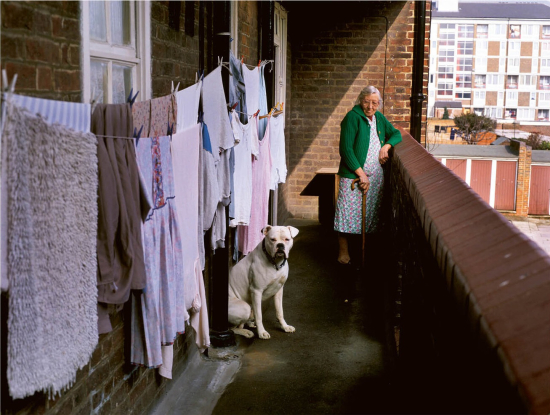
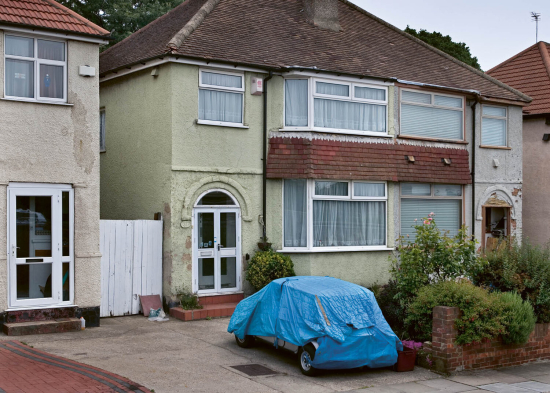
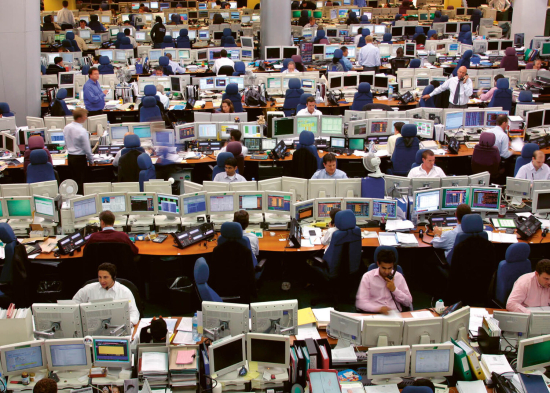
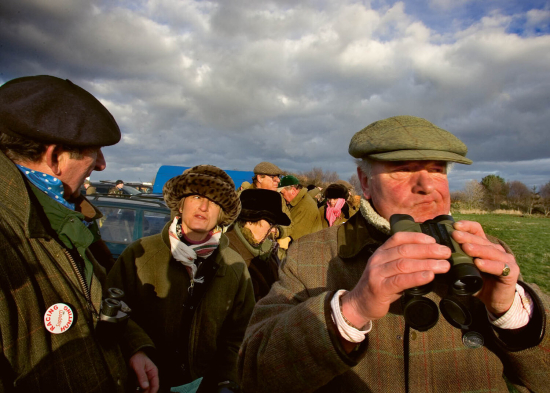
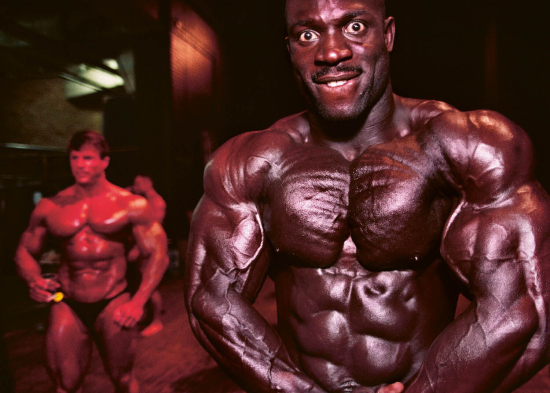
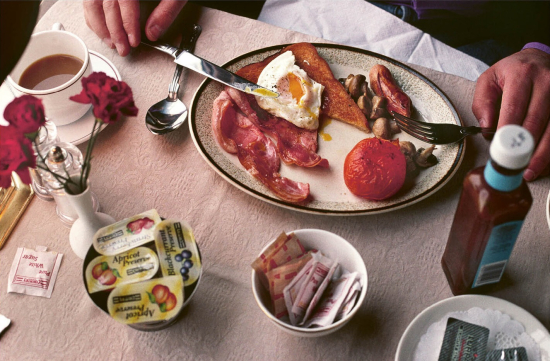
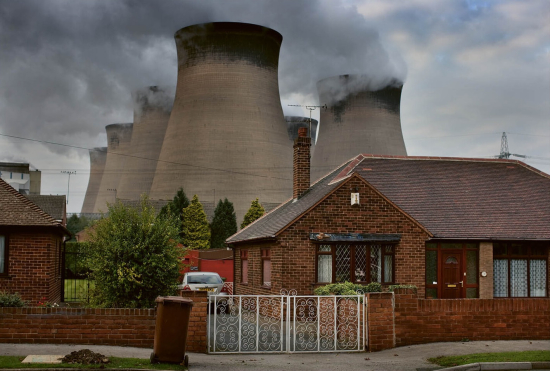
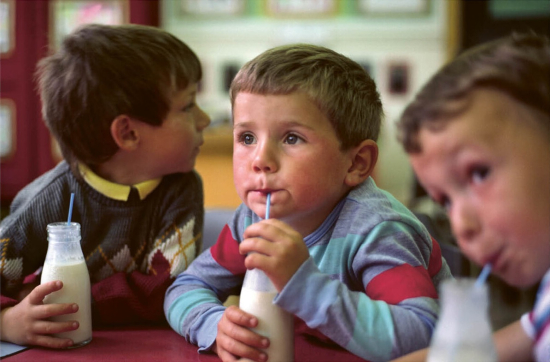
  • Photographer Barry Lewis at Café Royal Books:

    Barry_Lewis_Being_British_web12007

    Barry_Lewis_Being_British_web12003

    Barry_Lewis_Being_British_web12002

    Barry_Lewis_Being_British_web12006

    Barry_Lewis_Being_British_web12004

    Barry_Lewis_Being_British_web12008

    Barry_Lewis_Being_British_web120011

    Barry_Lewis_Being_British_web120010

    Barry_Lewis_Being_British_web120013

    Barry_Lewis_Being_British_web120014

    Barry_Lewis_Being_British_web120017

    Barry_Lewis_Being_British_web120016
    [Photos © Cafe Royal Books/Barry Lewis]

    Barry Lewis previously – Butlins 1982.

  • A conference on child healthcare ambushed by violent protestors, shouting and letting off smoke bombs. London, today:

    Doctors at a gender-critical conference were ambushed by “aggressive” masked protesters who let off a smoke bomb and had to be held back by police.

    Dozens of officers were required to prevent the demonstrators gaining entrance to the first conference of the Clinical Advisory Network on Sex and Gender conference held on Saturday in London.

    Video footage showed the protesters, dressed mainly in black and waving flags, blocking the entrance and jostling with police.

    Held at the headquarters of the Royal College of General Practitioners (RCGP), the conference brought together doctors, academics and parents “to discuss current controversies in the care of children and young people with gender-related distress…”

    One attendee said on X, formerly Twitter, that the protesters had been violent.

    Another, Elaine Miller, a physiotherapist, said: “Met Police were great outside RCGP when a crowd of very aggressive, masked and mistaken people were cross that a bunch of HCPs [health care professionals] want to talk about excellence in healthcare.”

    Jane Symons, vice-chair of the Medical Journalists’ Association, said: “It’s the first time I have ever attended a medical conference requiring police protection. Healthcare should be driven by evidence not ideology.”

    One banner appeared to read “trans power”.

    No science please, we're trans activists.