• From the Times:

    Róisín Murphy has warned against “confused young people” making themselves “social media enforcers” as she spoke for the first time about being “cancelled” for her views on puberty blockers.

    The Irish singer, 52, faced a public backlash when in August 2023 she criticised the prescription of puberty blockers to children who expressed confusion about their gender.

    Writing on her private Facebook page at the time, Murphy said: “Puberty blockers are f***ed, absolutely desolate, Big Pharma laughing all the way to the bank. Little mixed-up kids are vulnerable and need to be protected, that’s just true.”

    The prescribing to under-18s of puberty-blocking drugs has since been banned by the government. But at the time Murphy’s leaked comments attracted an angry response on social media and even led to claims she had been dropped from the BBC Radio 6 programming schedule, which the station denied.

    Giving a speech on Monday at a parliamentary event to raise awareness of the rise of cancel culture in the arts, she said: “When artists speak plainly these days, especially on radioactive issues, they don’t get debate.

    “They get condemnation and professional exile. I’ve lived it when I spoke my mind about puberty blockers and current social trends around gender.

    “I watched the machinery kick in fast. Pressure to recant, threats to pull promotion, leads to the press, venues dropping bookings, colleagues stepping back. The message was clear — conform or risk your livelihood.

    “I fought for my work. I took back ownership of my music. But the wider chill remains.”

    She was speaking at the launch of a report entitled “The New Boycott Crisis”, written by Rosie Kay, from the campaign group Freedom in the Arts, and Professor Jo Phoenix.

    According to the report, Jewish artists have faced a “wave of boycotts” after the Israeli-Palestinian conflict in Gaza, while artists expressing critical views on transgender issues have experienced a similar exclusion.

    Murphy warned in her speech that this culture of “cancellation” was increasingly leading artists to self-censor.

    We heard about the problems for Jewish artists yesterday.

    Added:
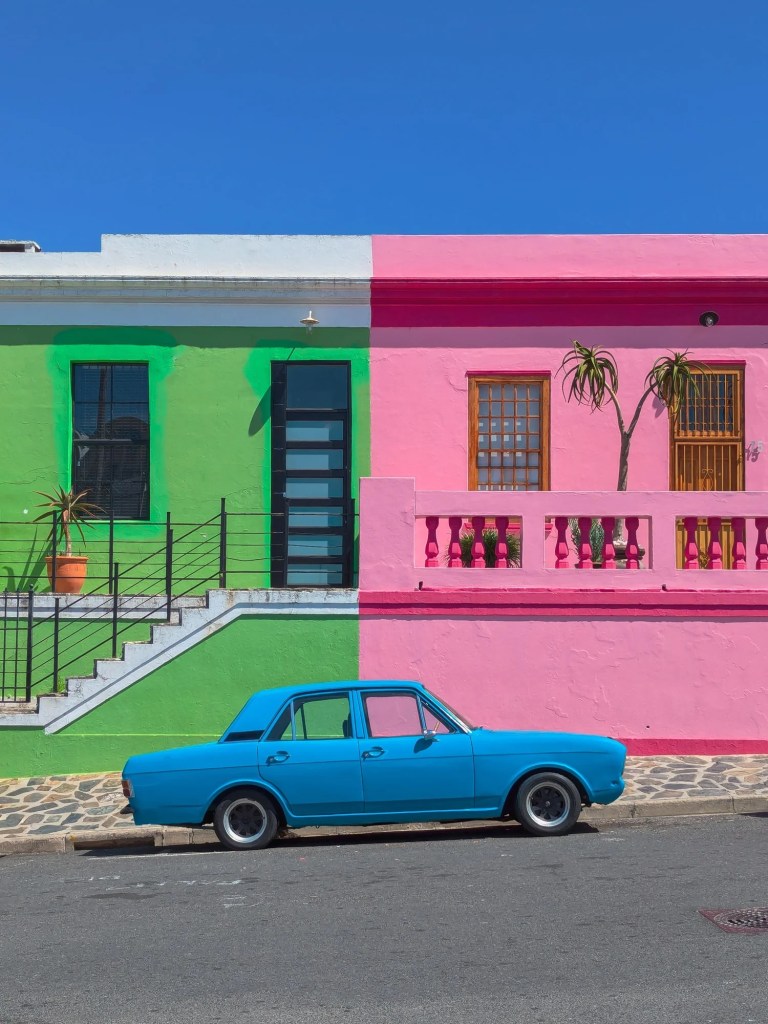
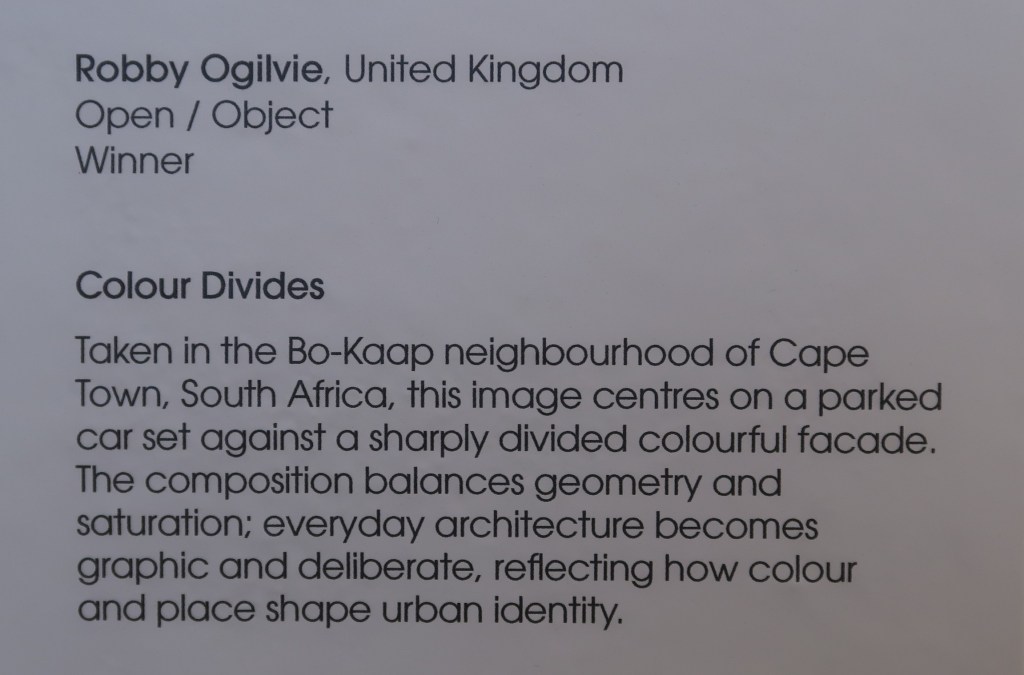
  • At the Sony World Photography Awards Exhibition 2026 at Somerset House.

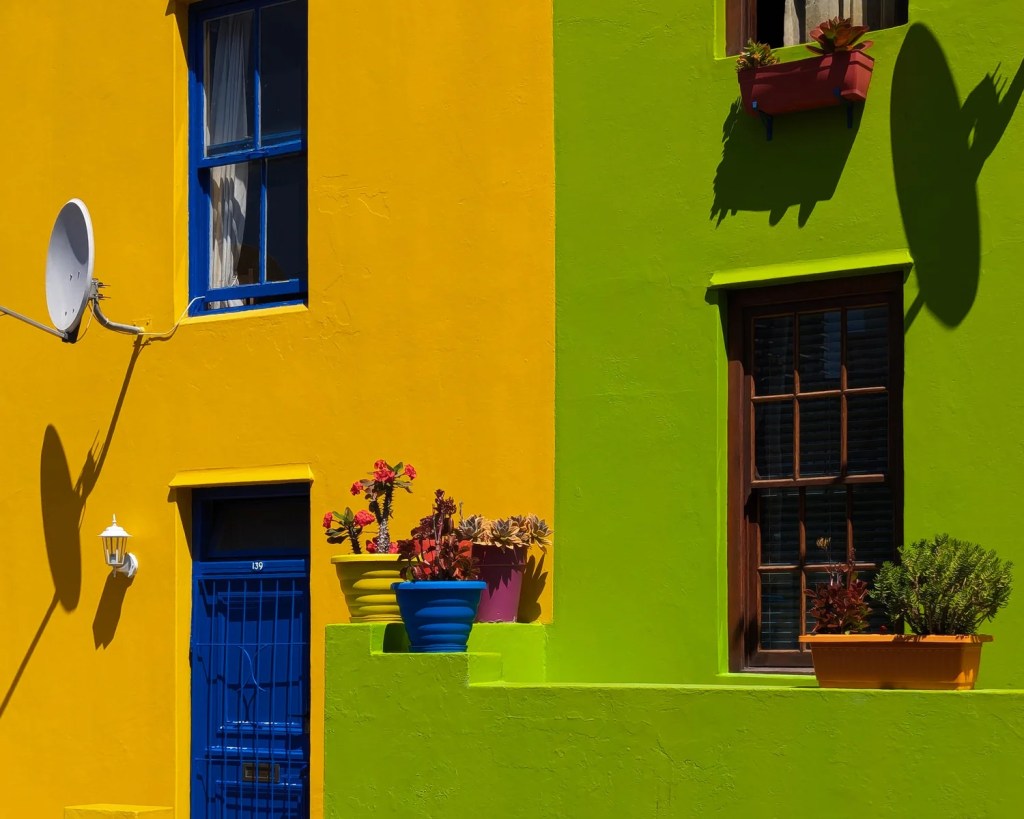
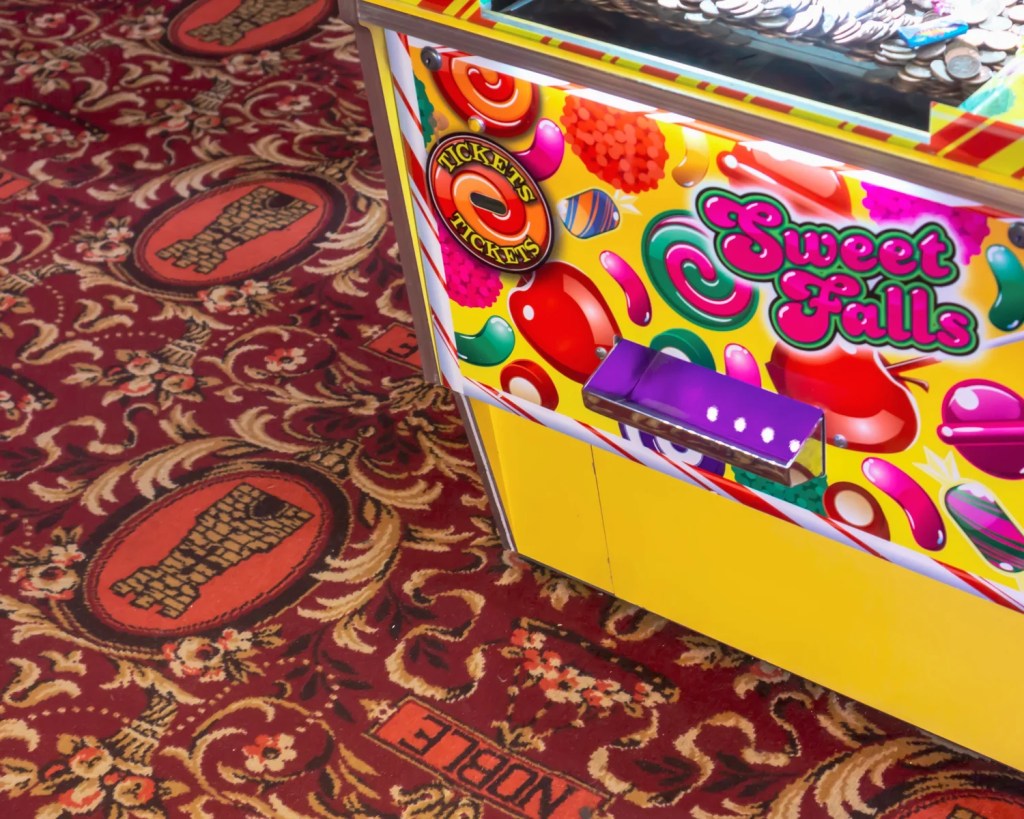
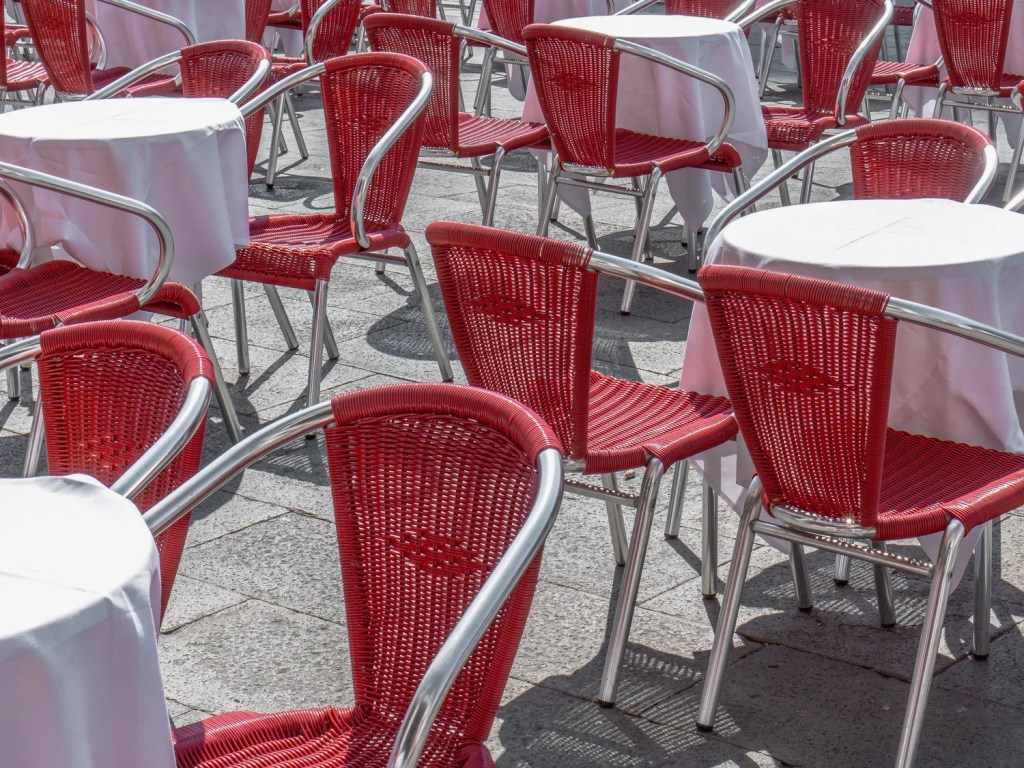
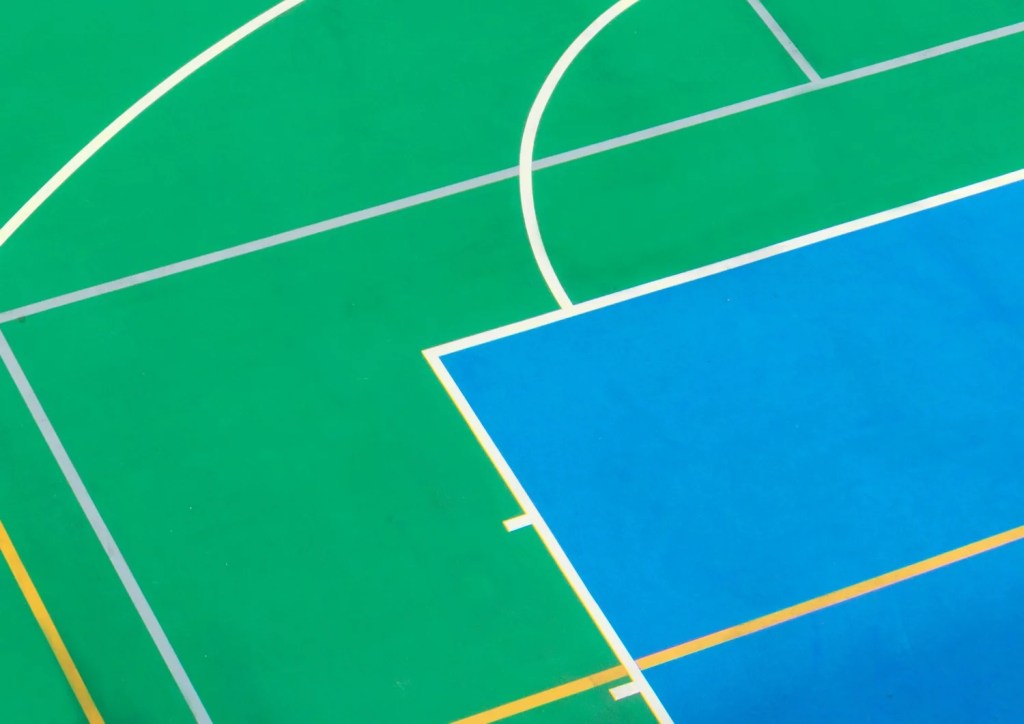
    Colour Divides by Robby Ogilvie.

    Interesting to know where the shot was taken, but really – “reflecting how colour and space shape urban identity”. Do they have to come up with this style of constipated intellectualism to justify the image? It’s just a great shot, beautifully composed. Any decent photographer coming across that would say “wow” and whip their camera out with out a moment’s hesitation. And the car colour mirroring the sky – never mind whether or not it’s been cleaned up with a touch of the old colour enhancement, it’s still great.

    Anyway, a few more from Robby Ogilvie:

    [Images © Robby Ogilvie]

  • More worrying signs of ideological nonconformity amongst North Korean youth. Time to polish up the old favourites. From the Daily NK:

    North Korean authorities are significantly expanding anti-American ideological education targeting middle and high school students, ordering the content to be woven into virtually every school subject. The move points to deepening official anxiety about ideological drift among the country’s younger generation.

    A source in North Hamgyong province told Daily NK on Friday that on April 18, the provincial education bureau issued a directive to city and county education departments ordering schools to incorporate anti-American class-struggle education, a state indoctrination program designed to instill hostility toward the United States and reinforce loyalty to the ruling system, into a wide range of subjects. These include revolutionary history as well as Korean language, English, music, and art.

    The directive also called for reviving the regular use of class-struggle education halls, dedicated state facilities found in communities across North Korea that display content about the Korean War and the perceived threat posed by the United States. The directive noted that these facilities had been operating in name only and ordered schools to begin scheduling regular student visits alongside the expanded in-class ideological content.

    The provincial education bureau cited a deteriorating external security environment as justification. The directive stated that anti-American class-struggle education is urgently required given what it described as escalating U.S. and South Korean military hostility toward North Korea, and warned that even a brief pause in such education risks allowing class consciousness to fade.

    The source suggested the stated rationale is cover for a more pressing internal concern: that ideological commitment among teenagers is weakening at an accelerating pace. The fact that the directive targets middle and high school students rather than university students indicates that authorities are alarmed by signs of ideological disengagement even among those in their early teens.

    The orders have left teachers visibly unsettled, according to the source. Until now, class-struggle education has been delivered selectively, tied to specific lesson content such as units on the Korean War. Being told to insert it routinely across unrelated subjects is being treated as an unprecedented instruction.

    “Teachers never raised anti-American topics unless the lesson content directly called for it, such as material on the Korean War,” the source said. “Loyalty education around the leadership has long been a daily routine, but an order to make class-struggle education just as routine is the first of its kind.”

    You can see the problem. Class struggle and the life-cycle of the fruit fly. Anti-American pottery classes. It could seem a bit forced.

    It’s perhaps worth pointing out that American academics have been blazing the trail here, with anti-colonialism, anti-imperialism, and queer theory – and indeed anti-Americanism – inserting themselves into every discipline from literary studies to biochemistry. Probably pottery classes too. Could some lessons be learnt from the old enemy?

  • Meanwhile, in the world of sport:

    Liew wrote that the presence of a Gail’s bakery in Archway, near a Palestinian-run café, was “an act of heavy-handed high-street aggression”. So the vandalism was quite understandable.

    He also supports “trans inclusion” – ie men – in women’s sport.

  • Rosie Kay in the JC – How antisemitism, fear and intolerance grip Britain’s art world. A new report from the organisation she co-founded, Freedom in the Arts, shows the depth of the problem.

    One of the report’s most serious findings is that antisemitism is not incidental to this new climate. It is one of its most troubling features. Jewish artists are too often subjected to exceptional scrutiny, exclusion or suspicion. Work touching on Jewish history, identity or experience is treated as uniquely contentious. Invitations are quietly withdrawn, institutions grow nervous and silence takes hold. Much of this happens without dramatic public rows, through euphemism, avoidance and the slow withdrawal of support.

    This is not only a Jewish concern; it goes to the health and integrity of the arts themselves. If Jewish artists become the people who can be dropped without consequence, if Jewish themes become the things institutions feel least confident about touching, then the entire culture becomes more mean-spirited, more cautious and more afraid. A sector that once prided itself on openness begins instead to reward conformity and caution, and to lose the complexity, confidence and moral seriousness that good cultural life requires.

    Report here.

  • On the requirement for Israel to be destroyed so that the Hidden Imam can appear. Yes, it really is a thing.

    Not much room for negotiation here.

  • Depressing.

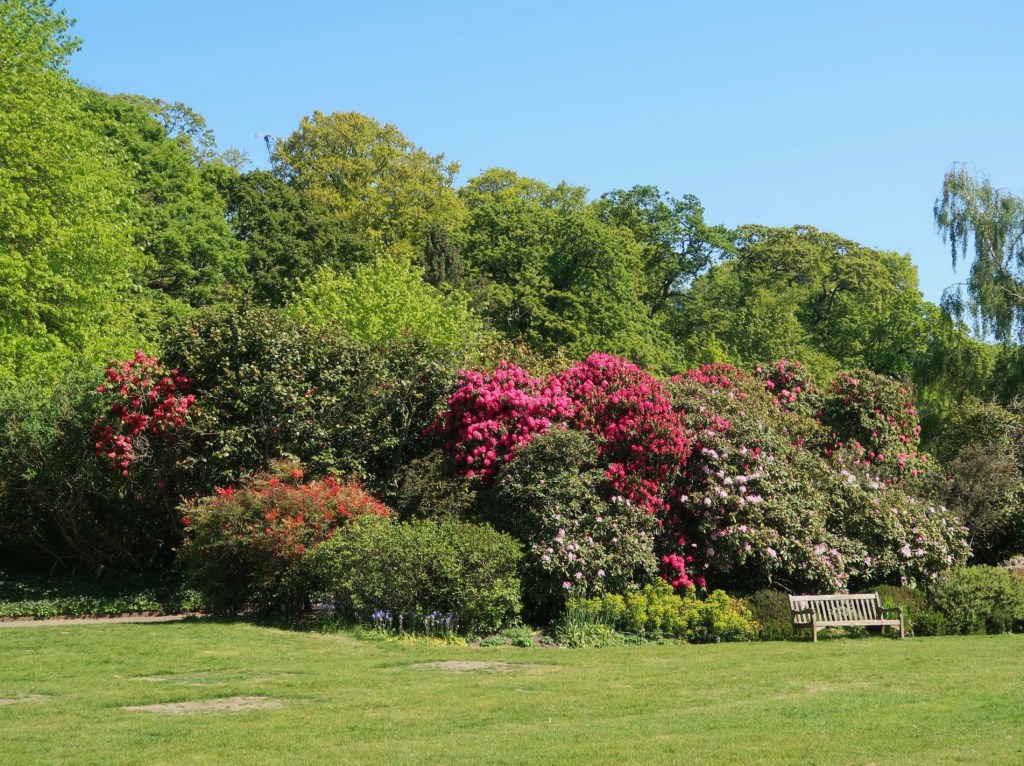
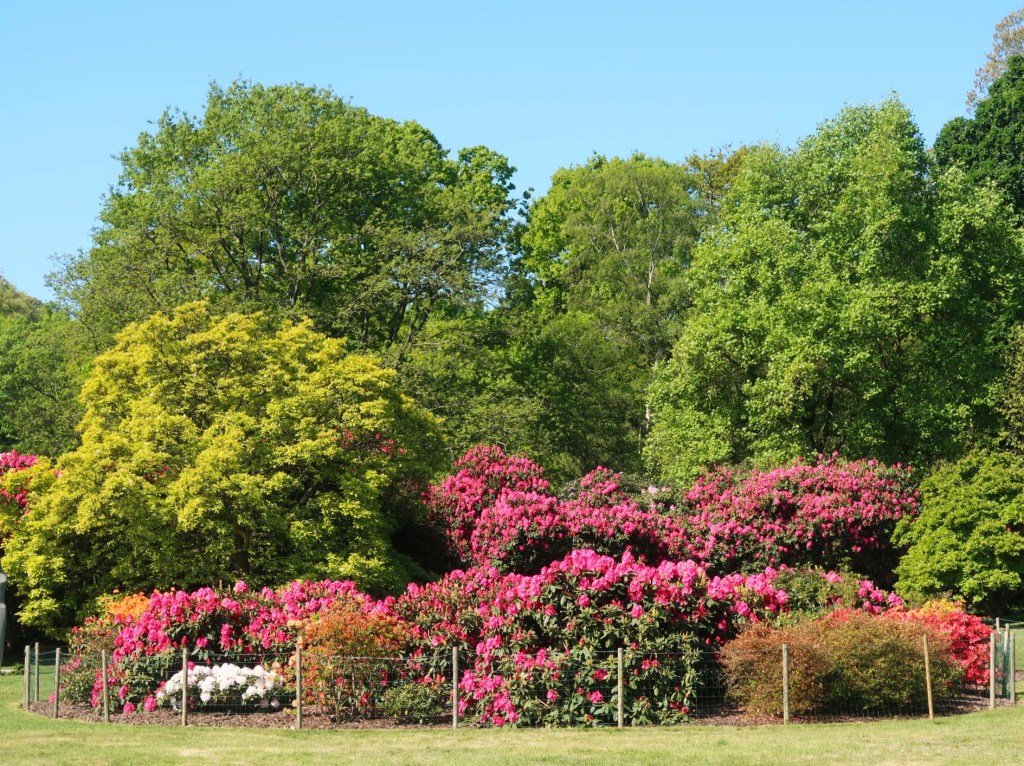
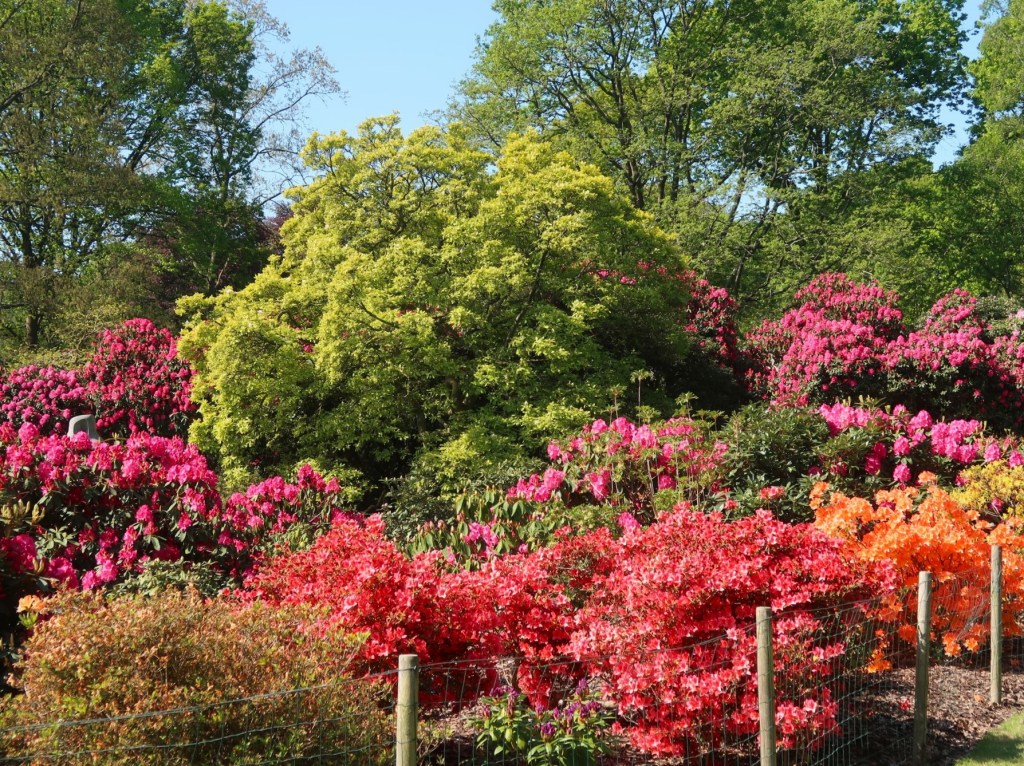
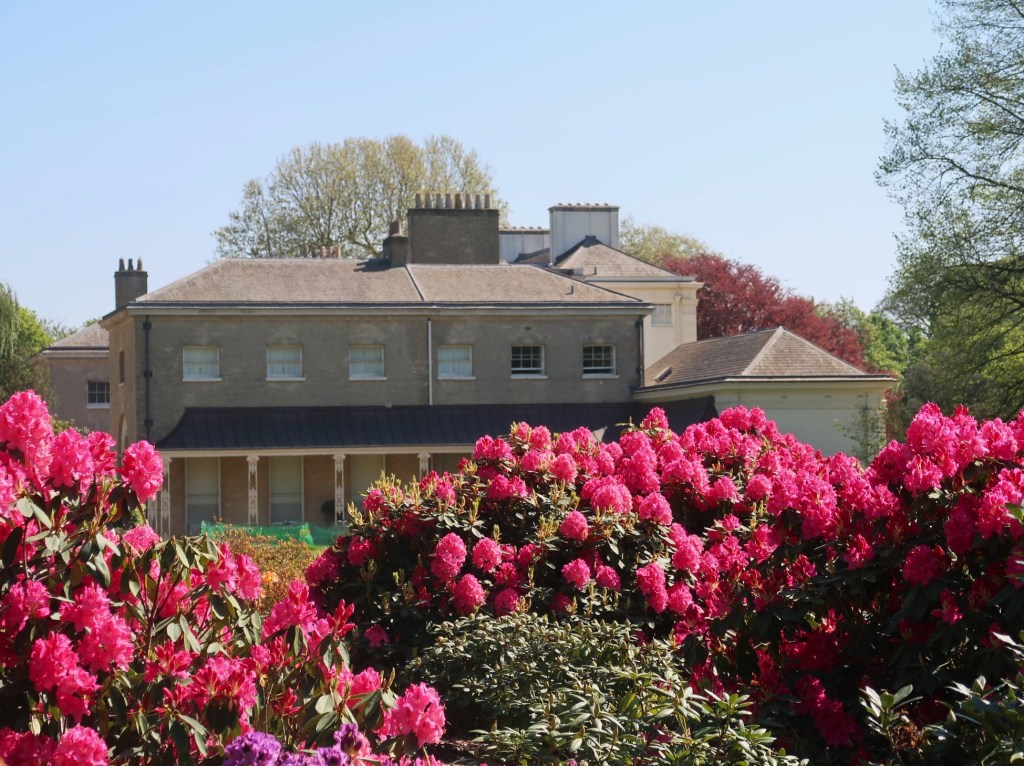
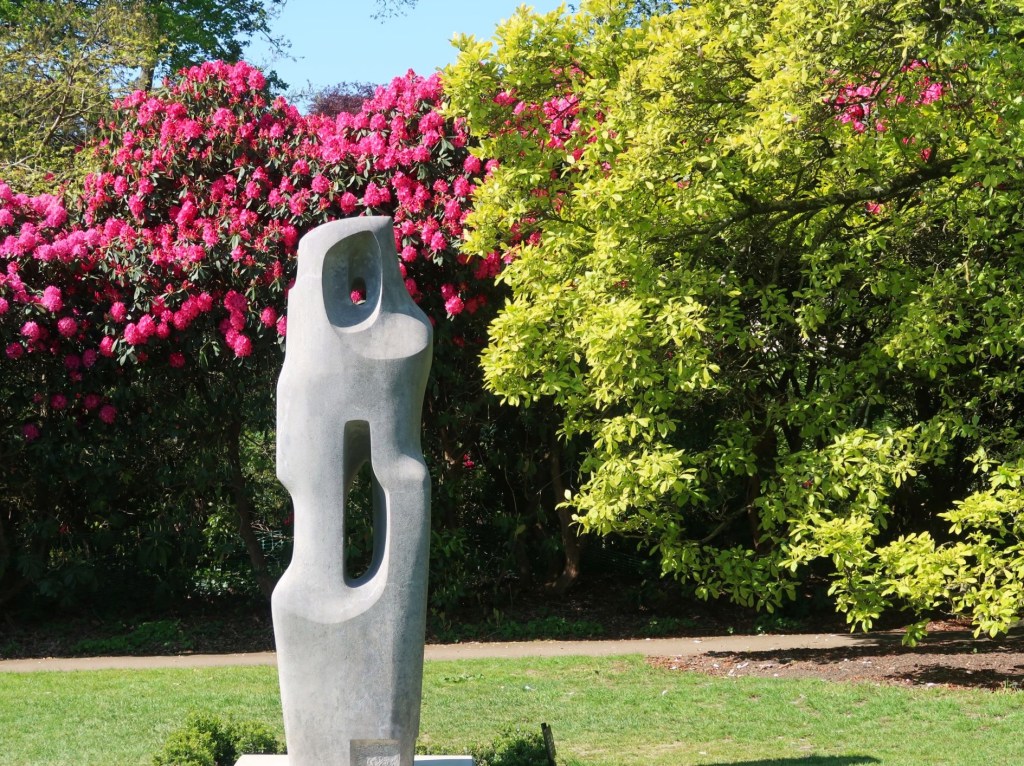
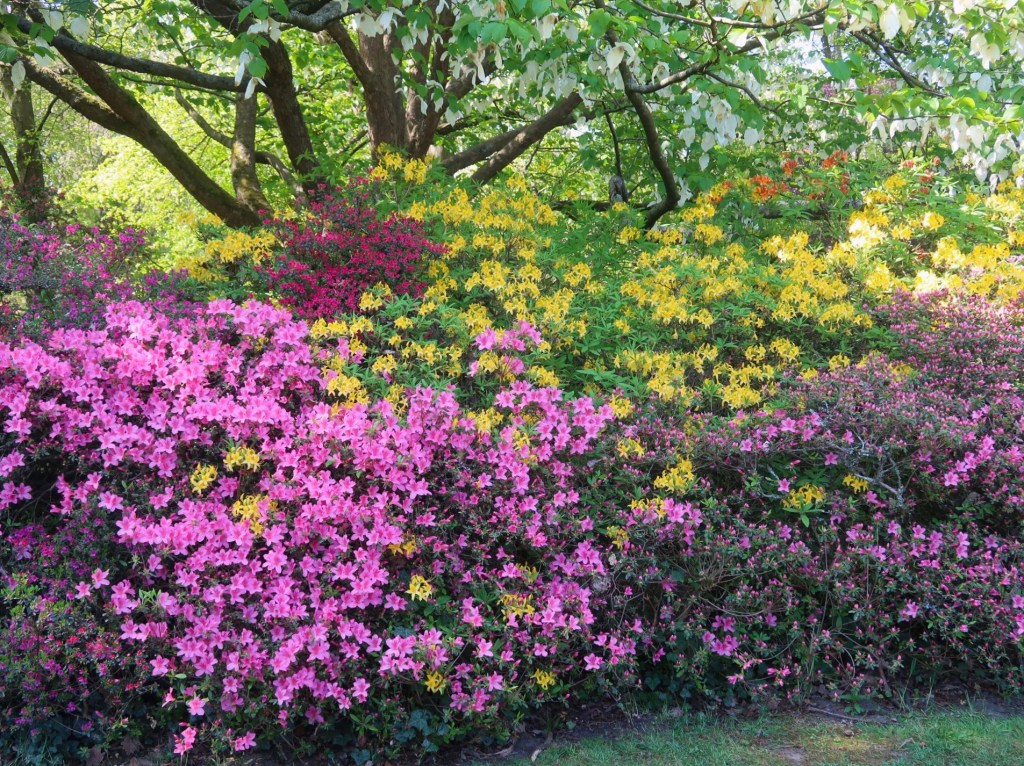
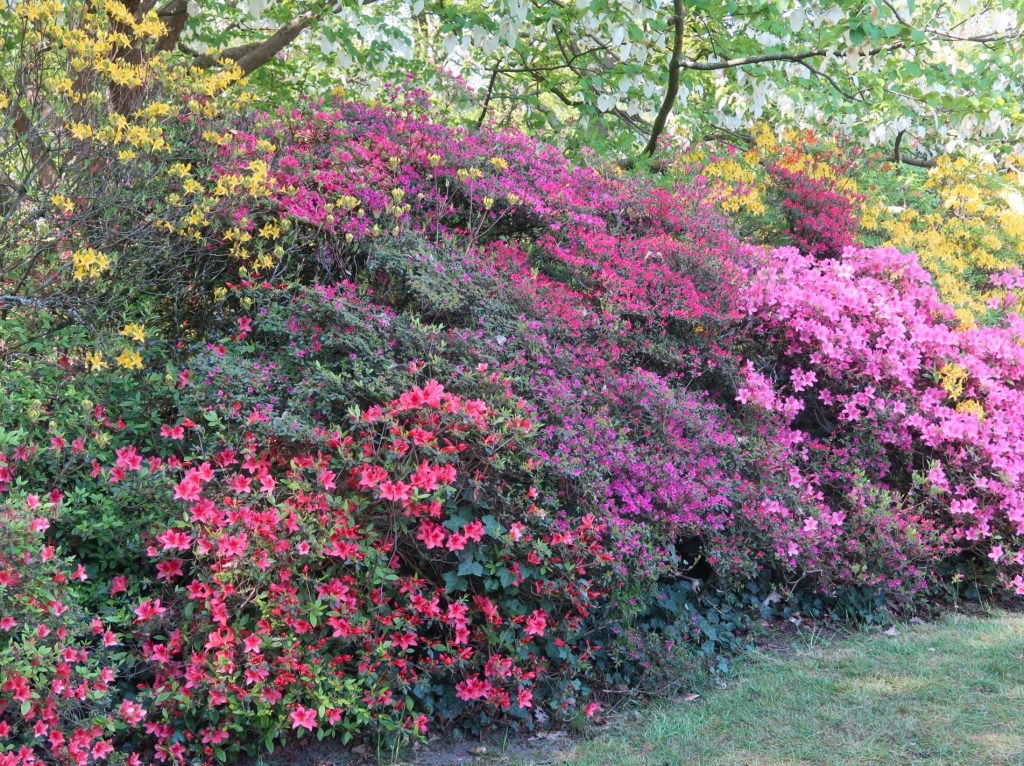
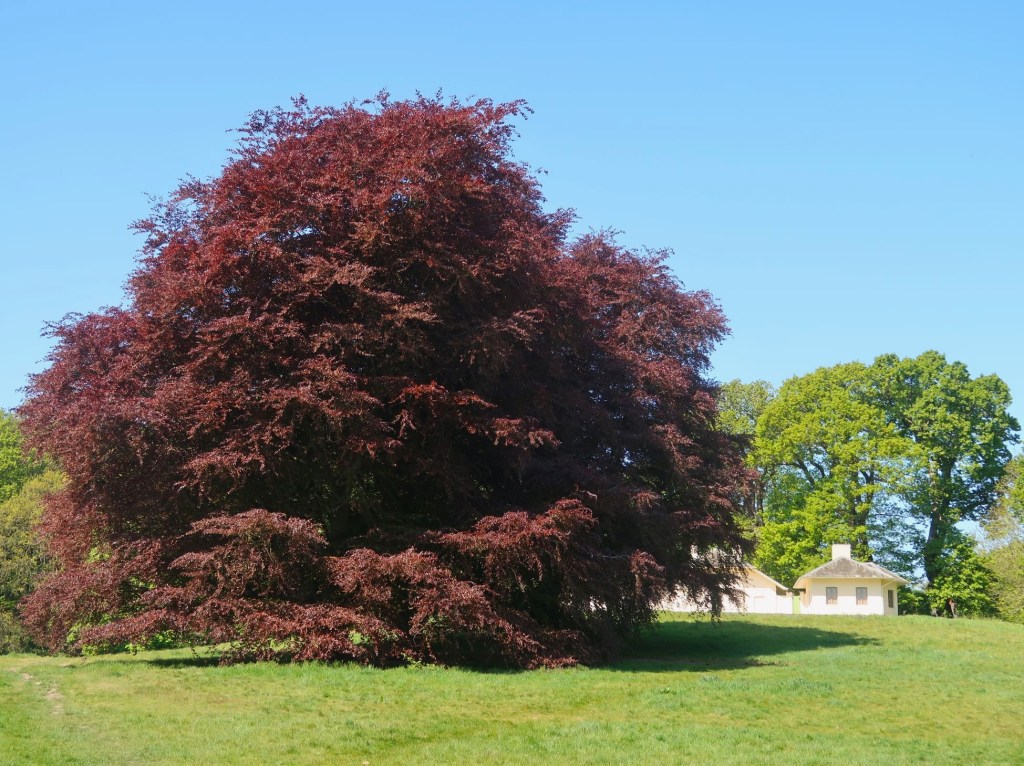
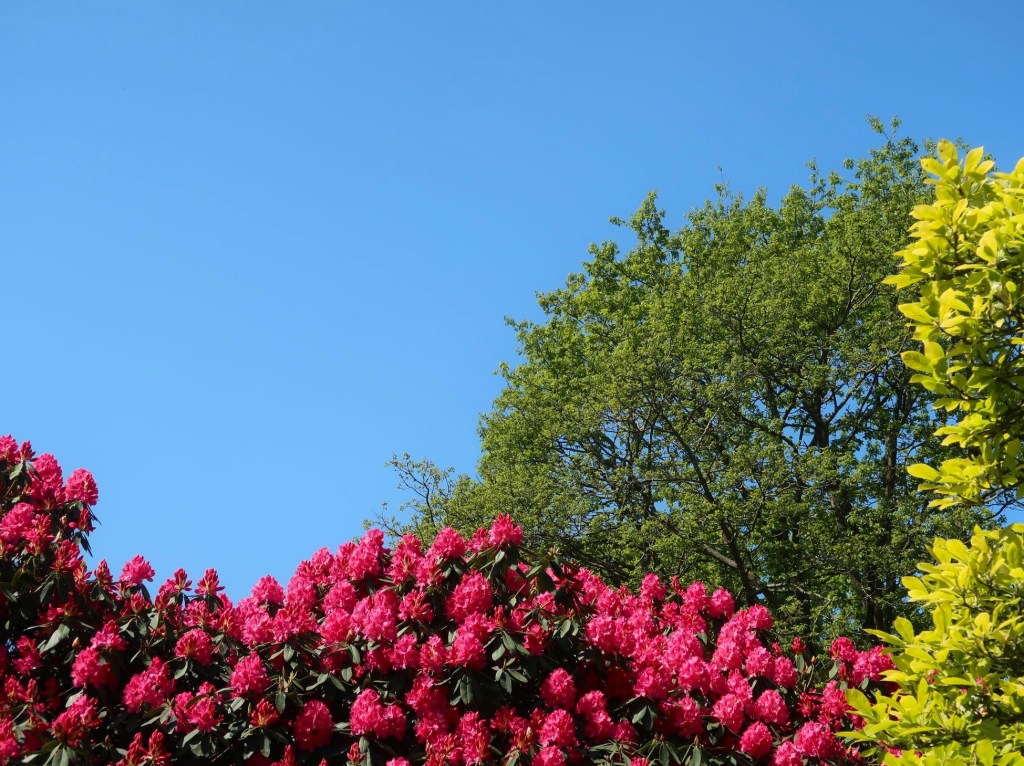
  • Azaleas, rhodendrons, plus copper beech, on Hampstead Heath this morning:

    Not forgetting Barbara Hepworth’s Monolith Empyrean.