• Yesterday the BBC’s John Simpson tweeted that Ali Larijani, the Iranian security chief now checking out his 70 virgins courtesy of an Israeli strike, was “clever and reasonable – the kind of person you might want to negotiate a peace deal with”. He deleted the tweet after a hostile response. It is, of course, a familiar line taken by urbane western commentators that there are – were – all these moderates in Iran that we can do business with. Obama thought the same. Fortunately the Israelis, and Trump, are not so gullible.

    Jonathan Sacerdoti at the JC – The ‘moderate’ who ran death squads: how BBC and Sky sanitise the Iranian regime:

    A few days ago I watched Sky News with amazement as they showed Iranian propaganda images of Ali Larijani walking down the street in Iran on Al Quds Day. They kept commenting how it showed Iranian strength that he was able to walk so freely without fear of assassination, among his people.

    I have long been concerned about Sky News’ coverage of the Middle East but even I was a bit shocked they appeared to be regurgitating such transparent Islamic Republic propaganda without any hint of intelligent cynicism. So today, when it was announced he was killed by an Israeli strike, my heart went out to Sky News. Perhaps they’ll join the British Foreign Office and ministers at a wake in South Kensington, or at that Islamic Centre opposite my favourite Persian restaurant in London, where they mourned the deaths of Ali Khameini and Qasem Soleimani.
    The BBC were no better.
    Our national broadcaster’s response managed to go further still, into a kind of analytical absurdity that would be comic if it were not so dangerous. The newsreader, in a tone of concerned moderation, warned of “the slight problem here” that Israel had eliminated figures “considered moderates,” suggesting this might empower “more hardline, less experienced people” and make regime change “more complicated.”

    Jeremy Bowen followed: Larijani, he ummed and ahhed, was “seen as a pragmatic figure… a man of flexibility… somebody you can do business with.” Sure, he said “some very tough things, war-like things, in recent weeks,” but who among us hasn’t?
    This peculiar BBC effort to rehabilitate an Iranian regime monster is more than a little weird. It takes a man embedded for decades at the core of a coercive theocratic system and recasts him as a regrettable casualty of strategic impatience, a lost interlocutor in some imagined future negotiation. A man who once talked about an “overreaction” to the Holocaust, adding that he was “neither for, nor against” the idea that the Holocaust had really occurred, saying it was an “open question.” When did Jeremy Bowen last “do business” with him? Who exactly was doing business with him? Was the BBC? Or did they mean Israel should negotiate how much annihilation it could talk them down to? How many Jews to wipe from the face of the earth? ….

    A brief reminder, then, of who Larijani was:

    Larijani’s career runs through the spine of the Islamic Republic. As head of state broadcasting, he presided over a monopoly that aired forced confessions extracted under duress, programmes that smeared dissidents as traitors, material produced in coordination with intelligence services implicated in the murder of intellectuals. Perhaps the BBC crew felt some sort of solidarity with a fellow national service broadcaster.
    As a senior political figure, he defended the legal architecture that enforces ideological conformity, including the criminalisation of homosexuality with capital punishment (though, to be fair, the Iranian regime, like the BBC, completely accepts transsexualism as a positive life choice). He endorsed the logic behind those laws in public statements that framed such punishments as socially necessary. During periods of unrest, he aligned himself with the state’s coercive response, calling for firmness where protesters were demanding basic political and social freedoms.
    Even his reputation as a “pragmatist” requires examination. Within the internal language of the Islamic Republic, pragmatism often denotes tactical flexibility in preserving the system, not any departure from its underlying principles. It is the ability to negotiate without conceding, to adjust tone without altering substance, to manage external pressure while maintaining internal control. To describe such a figure primarily as someone “you can do business with” is to collapse a dreadful record into a single, flattering attribute.
    The same pattern was visible during the long years of engagement over Iran’s nuclear programme. British and European coverage frequently elevated the idea of dialogue as an end in itself, treating the existence of talks as evidence of progress. The record tells a different story. Negotiations extended timelines, absorbed pressure, and created space. Iran advanced its capabilities while presenting each incremental concession as a breakthrough. Or as Benjamin Netanyahu famously put it in a powerpoint presentation presenting thousands of Iranian secret documents Israel had seized, “Iran lied”.
    This near obsession with negotiation even when it is clearly not genuine or productive shapes how audiences understand the nature of the Islamic Republic regime itself. It blurs the line between tactical variation and substantive difference. It encourages the belief that the problem lies in personalities rather than structures and barbaric ideologies.

    It also explains, in part, the dissonance visible on British streets, where protests can invert moral clarity, aligning with a regime whose record is, by any consistent standard, repressive. Information environments matter. When news coverage goes out of its way to soften, reframe, or selectively emphasise, it alters public perception and dupes the masses into obedient protest.
    Meanwhile Israel and the US are taking care of business. Gulf countries, no natural allies of Israel, recognise that Donald Trump and Benjamin Netanyahu are in fact the people to “do business with” now that they are under fire from the Islamic Republic.

    Some important points there – “It encourages the belief that the problem lies in personalities rather than structures and barbaric ideologies”. The western commentariat, and particularly the BBC, just don’t understand Iran. Nor do they understand the Palestinian movement. They’re not like the sort of people they met at Oxbridge, however personably they may present themselves: people you can do business with. They’re Islamist fanatics. The Israelis, after decades of conflict, know this.
  • Back to the Hampstead Ponds.

    Me, in January:

    What is strange is the result of the City of London consultation, which they claim showed 86% of the 38,000 respondents backing trans-inclusive access to the ponds. Well, it’s Hampstead, so it’s possible, but…really? You’d be hard put to find a clearer case for women-only when you consider that there are three ponds – men’s, mixed, and women’s. Trans women can use the mixed. Why not? The fact that some insist on using the women’s suggest that they’re making a point: that they get a thrill from alarming the women, and are therefore perhaps more likely to be predatory. There have been reports of male genitals happily on display. Some are saying that the polls were advertised and swamped by activists….

  • Talking of moral wastelands….from Reduxx – Transgender “Youth Advocate” Charged With Rape of Infant Girl In Washington.

    A six-month-old baby.

    On Facebook, Flournoy claims to be a “youth advocate,” and he operated multiple social media accounts under the name Isabelle. On X, Flournoy followed multiple transgender pornography accounts, as well as engaged with racialized pornography that fetishized themes of white inferiority and the “black new world order.”

    Local media reports covering Flournoy’s arrest referred to him using “she/her” pronouns.

  • Samiksha Bhattacharjee in the Telegraph – Pro-trans mob made me the most hated student at my university:

    Since I re-started the Libertarian Society at University College London, I seem to have become the most hated person on campus. I have lost friends, my group’s treasurer has resigned, and my own students’ union has released a public statement implying they are “devastated” that we hosted a speaker who believes in the reality of biological sex.

    This, it appears, is what it is like to be a classical liberal at university. 

    Life at the modern university.

    The proof that students are starving for that choice was found at the pub after Connie Shaw’s event. Away from the glare of free speech “compliance officers” and activists reading from AI-generated scripts, dozens of students joined us for a pint.

    They whispered their support, terrified that a graduate recruiter or a union official might see them. They see the union funding a Gender Expression Fund for beauty products and clothing for transgender people, and they wonder why that same union cannot spare a single word to condemn the sexual harassment of a female speaker.

    My university has taught me a painful lesson: that the price of freedom is the loss of belonging and popularity. As long as the alternative is a moral wasteland of conformity and fear, that’s a price I’m willing to pay.

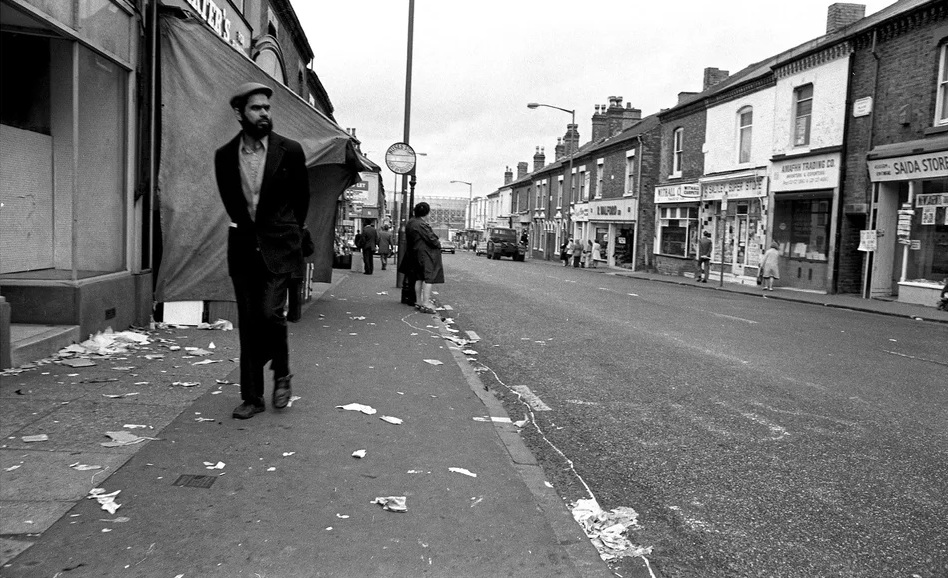
  • Good man. Hell of a beard, too.

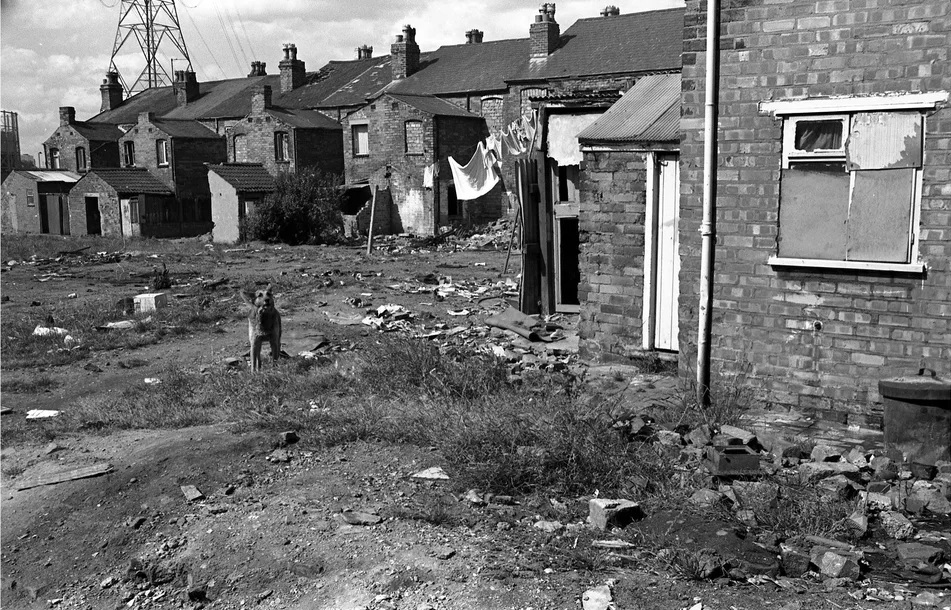
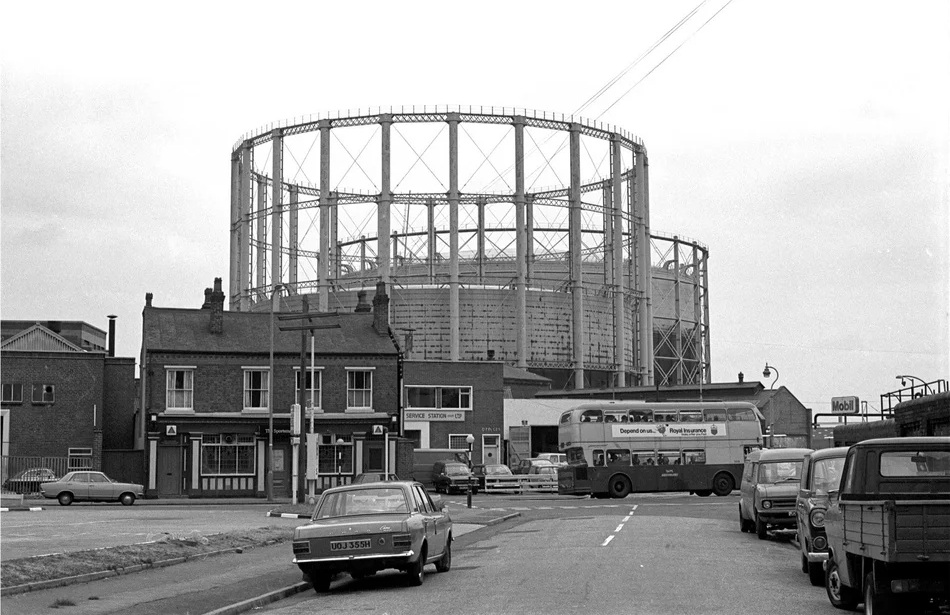
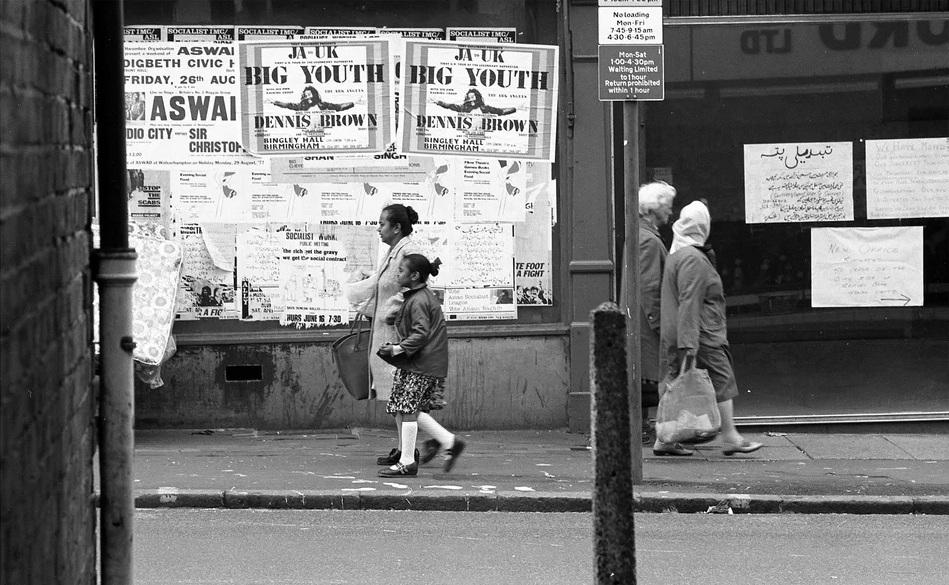
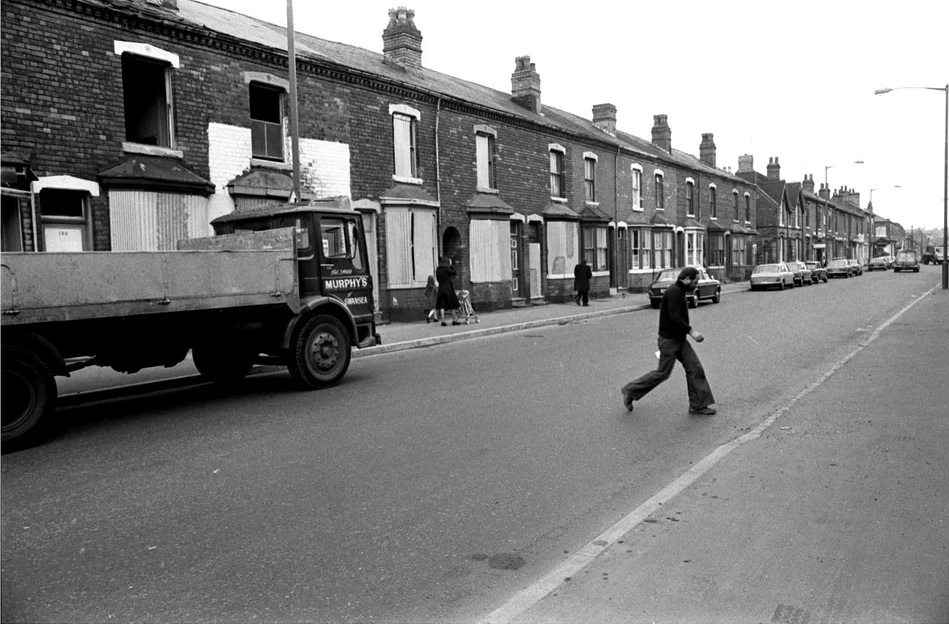
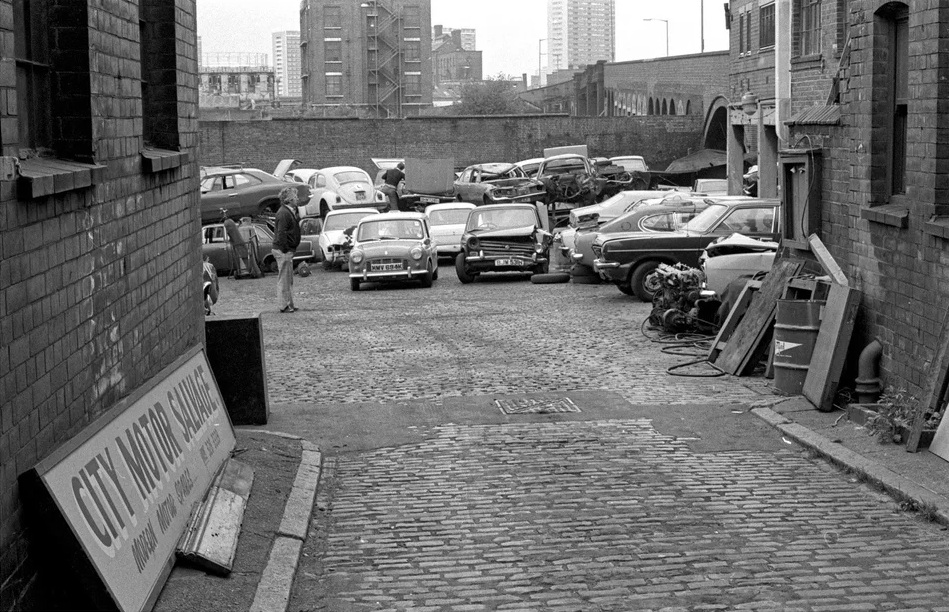
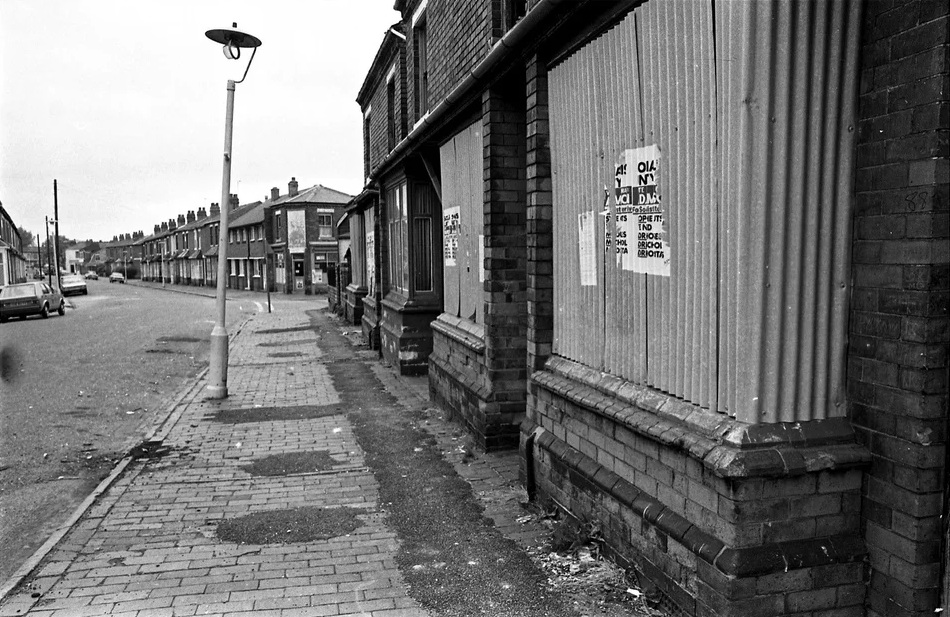
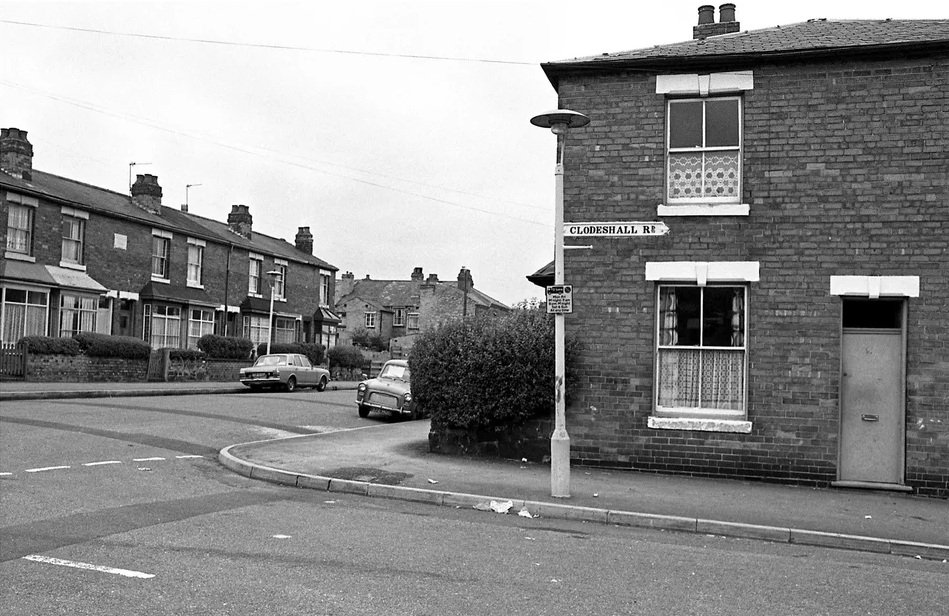
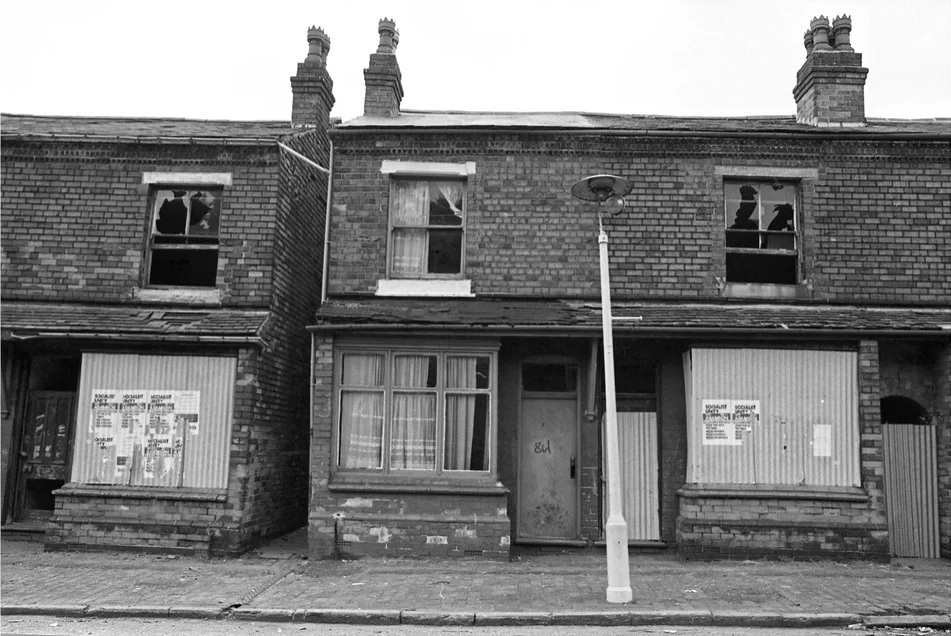
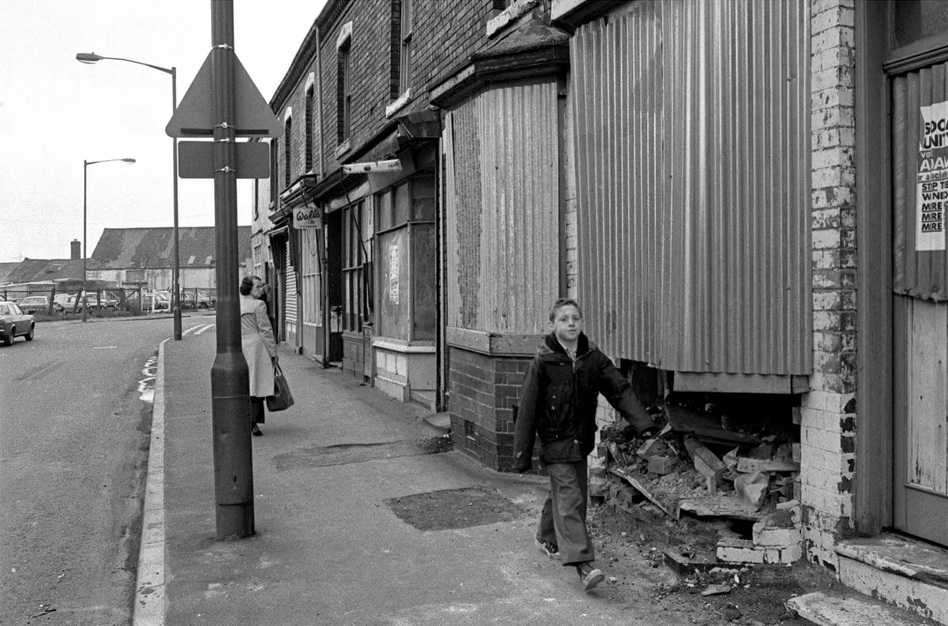
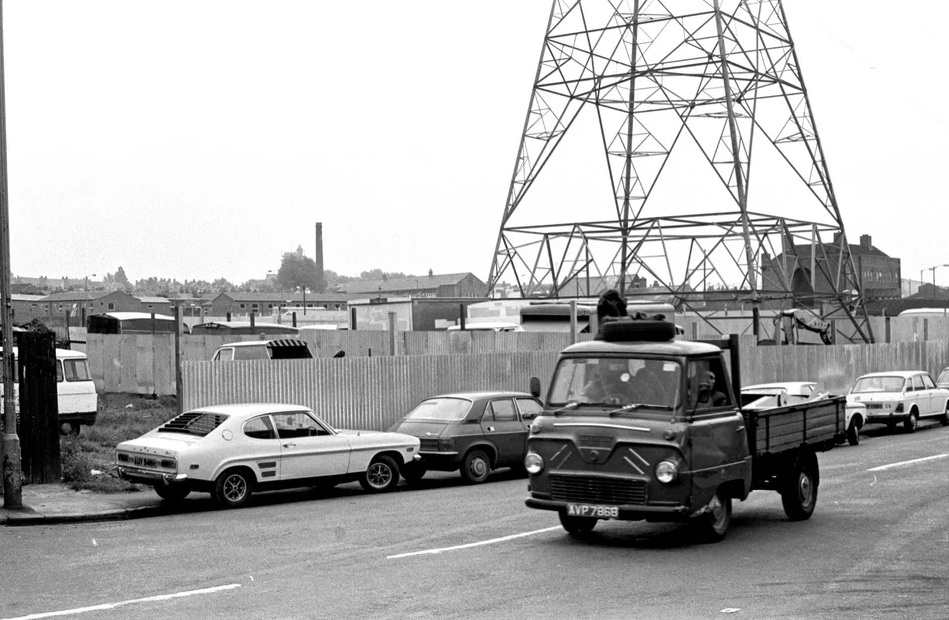
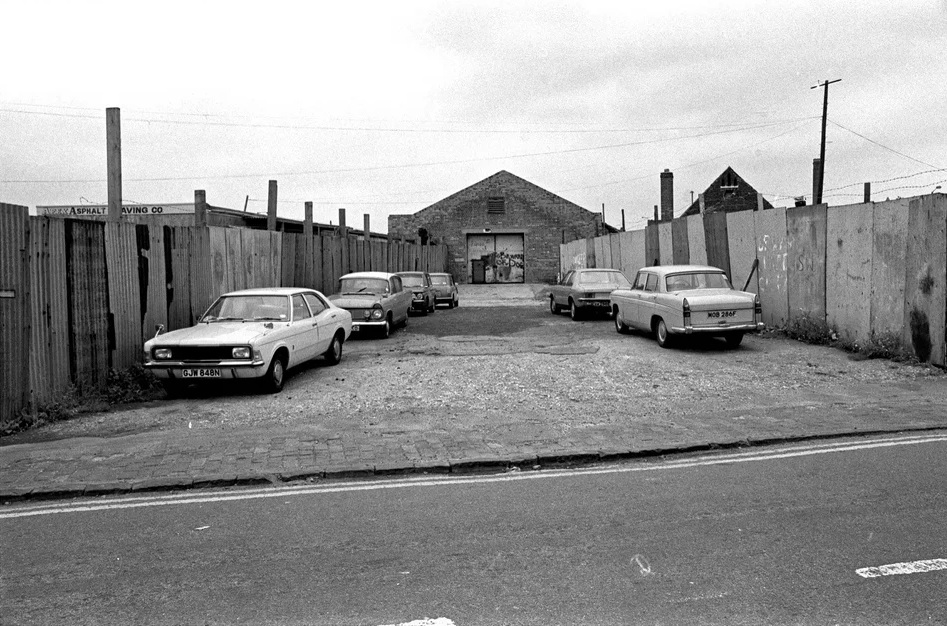
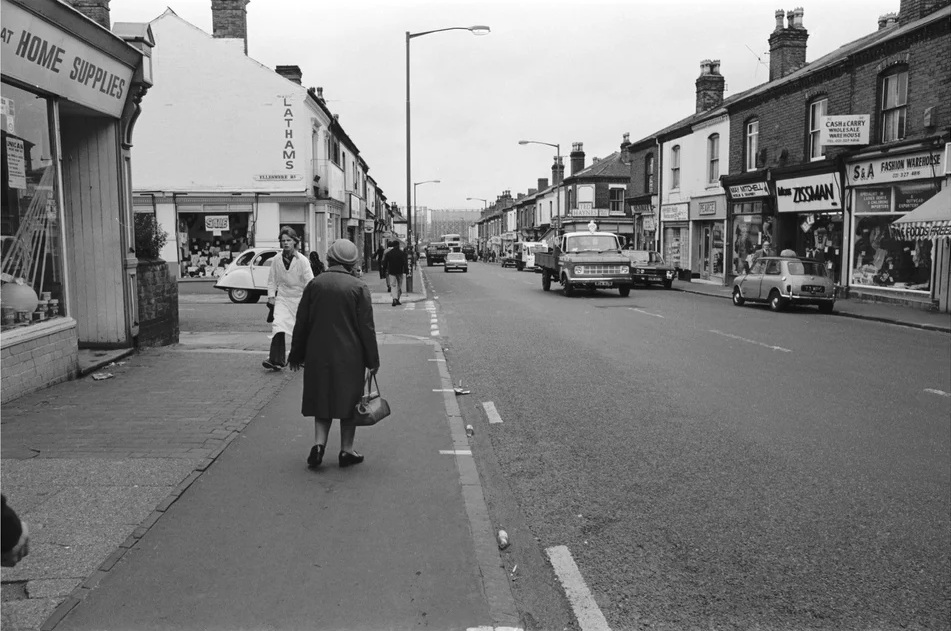
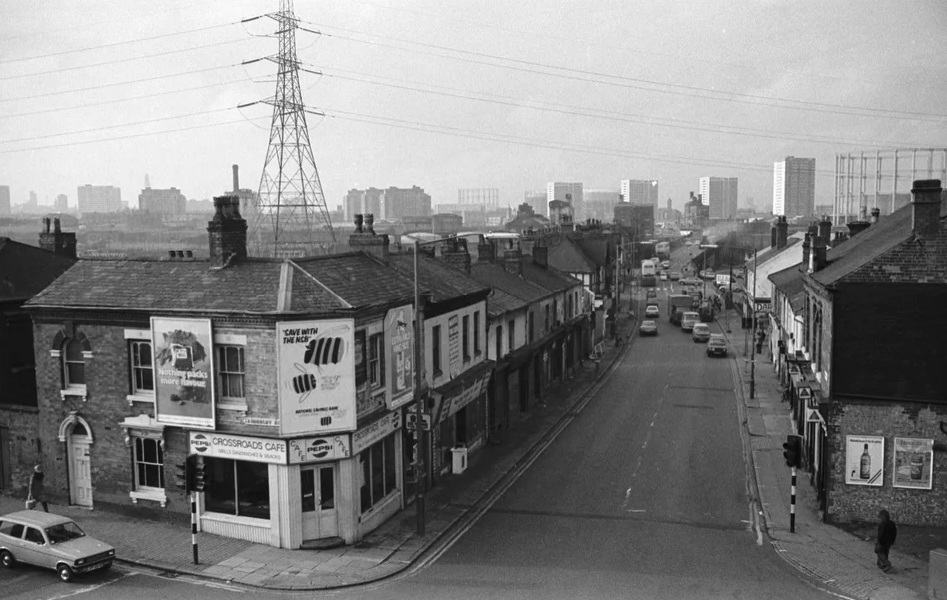
  • Photographer Brian Homer, at Cafe Royal Books:

    [Photos © Cafe Royal Books/Brian Homer]

  • Titania McGrath at The Critic:

    A recent book has revealed that William Shakespeare was actually a black woman. Predictably, historians and literary critics have been demanding “proof”, but do they have any proof that Shakespeare was white and male? These evidence-fetishists are such hypocrites.

    The book is called The Real Shakespeare by feminist scholar Irene Coslet and contains a genuine picture of the great bard which shows clearly that she was black. True, the author drew the picture herself, but photography wasn’t invented back then. Drawing her own evidence strikes me as the most sensible solution to that problem.

    The smoking gun comes in an exciting new discovery. Through painstaking research, Coslet has discovered that “Shakespeare” is an anagram of “A She Speaker”. That cannot be a coincidence. The same rigorous analytical method can be used to determine that Eric Clapton suffers from a sleeping disorder because his name is an anagram of “narcoleptic”.

    As Coslet insightfully argues in her book: “Shakespeare was well aware of sounds, and how sounds can be used to convey meaning.” This radical re-reading explodes every misconception we have ever had. Up until now, we had assumed that Shakespeare was unfamiliar with the concept of the spoken word or communication.

    The insistence that Shakespeare must have been white and male is an example of how our understanding of history has been distorted by fascistic revisionism. For instance, very few people know that Aristotle was a Punjabi transwoman. Or that William of Orange was a Taiwanese sex worker with a missing foot.

    Even if these facts are not true, that does not make them false. Reality is a social construct. The designation of an individual as “white” and “male” has no authentic material basis but is rather an interpretative imposition to reinforce racist patriarchal power structures….

    Yes, the book is real enough – “The reader will leave this book with a sense of wonder, transformation, and will experience a paradigm shift.” Can’t ask for more than that.

  • A sign of the times. Pini Dunner at Tablet Magazine – The School My Grandfather Built Was Bombed in Amsterdam:

    An explosive device was detonated on Friday night outside the Cheider school in Amsterdam. It struck the outer wall of a building on Zeelandstraat in Buitenveldert. For most readers, it is just another attack against a Jewish institution in a sequence of attacks on Jewish institutions around the world. For me, it is something else entirely.

    The Cheider was founded by my late grandfather, Uri Yehuda “Adje” Cohen, a hero who spent the Holocaust years leading a resistance group in Rotterdam against the occupying Nazis while living in hiding in a secret room behind a closet in the home of a gentile friend.

    By any standard, he was an extraordinary individual. Far from resting on his laurels after the war, my grandfather devoted the postwar years to rebuilding the decimated Dutch Jewish community.

    An explosive device placed against the wall of a Jewish school carries an obvious message. It is meant to intimidate a community by targeting its children and its institutions.

    The attack in Amsterdam did not occur in isolation. The Western world is experiencing the worst surge of antisemitism in decades. Just last week, a man drove a truck into Temple Israel in West Bloomfield, Michigan—one of the largest synagogues in the United States—and opened fire before dying at the scene. Security guards stopped him before the 140 children on the premises were harmed. Similar attacks or attempted attacks on Jewish institutions have occurred across several countries in recent months.

    These incidents come at a moment of heightened international tension amid the war involving the United States, Israel, and Iran. The details differ from place to place, but the pattern is unmistakable. Jewish schools and synagogues in Europe and America are increasingly treated as targets, and Jews everywhere are reminded of how fragile security can be.

    My grandfather believed that the only answer to hatred was to double down on Jewish life—to strengthen it, expand it, and refuse to allow intimidation to succeed.

    The history of the Cheider proves that he was right. The school began at a moment when many believed traditional Jewish life in the Netherlands might never recover from the devastation of the 20th century. One man disagreed. He cleared a table in his apartment and gathered five children around it. That was how the Cheider began.

    Today the school still stands on Zeelandstraat in Amsterdam. Children still study there. And the work that began around that table continues.

    A bomb may damage a wall. But it cannot destroy what my grandfather built.