Photos by Jem Southam, shot along Bristol’s harbourside between 1978 and 1983. From his book The Harbour:
The Harbour chronicles a period of significant change for the city which reflects the wider experience of loss and regeneration in Britain at the time. After centuries during which the harbour was a central hub of the commerce of the city and great generator of its wealth, through fair and foul means, they had largely fallen silent.
The end of that working life in the late sixties to the mid-seventies, left the sculptural presence of The Floating Harbour, surrounded by the disused and decaying dockland fabric: The cranes, the bridges, the pump-houses, the warehouses and in particular the giant bonded warehouses, the offices, the railways, the terraces of houses, the ship-building yards with their dry docks, the sand yards.
In The Harbour Jem documents the disused and neglected infrastructure, a brief period of calm after those centuries of activity, before the redevelopment really got going. It is an archival record of the architectural landscape rather than meditation on loss. The industrial life of the docks, and all the human stories it impacted, preserved in record but not mourned.
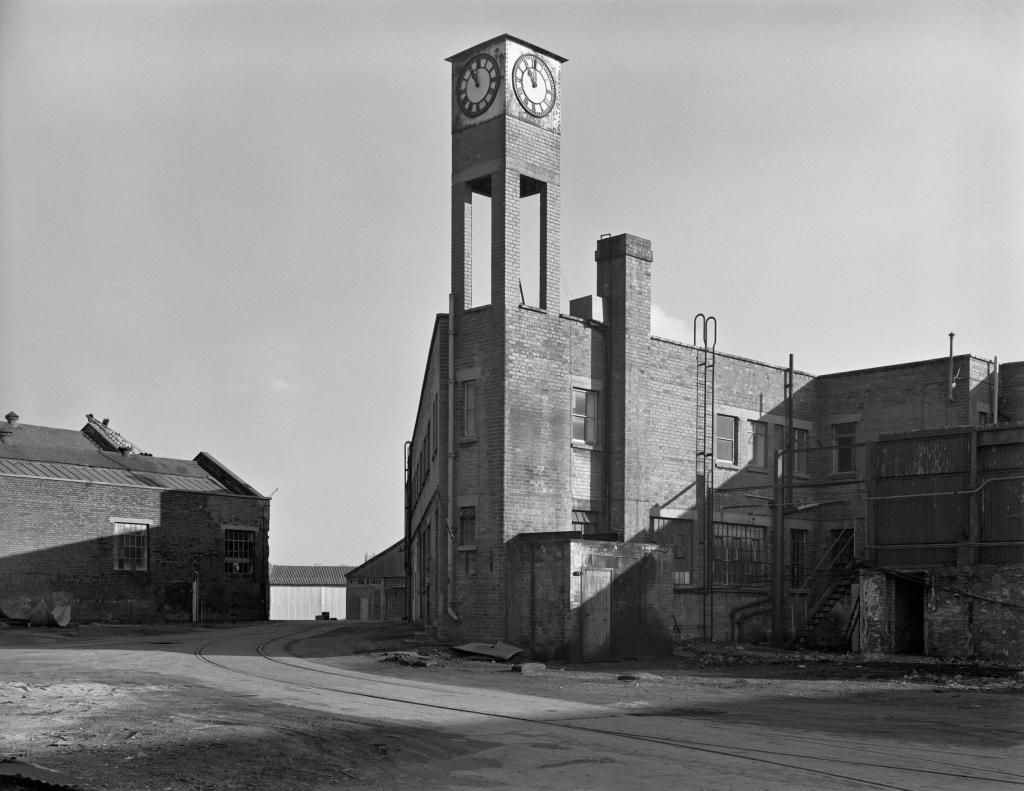
Offices, Albion Dockyard 1979
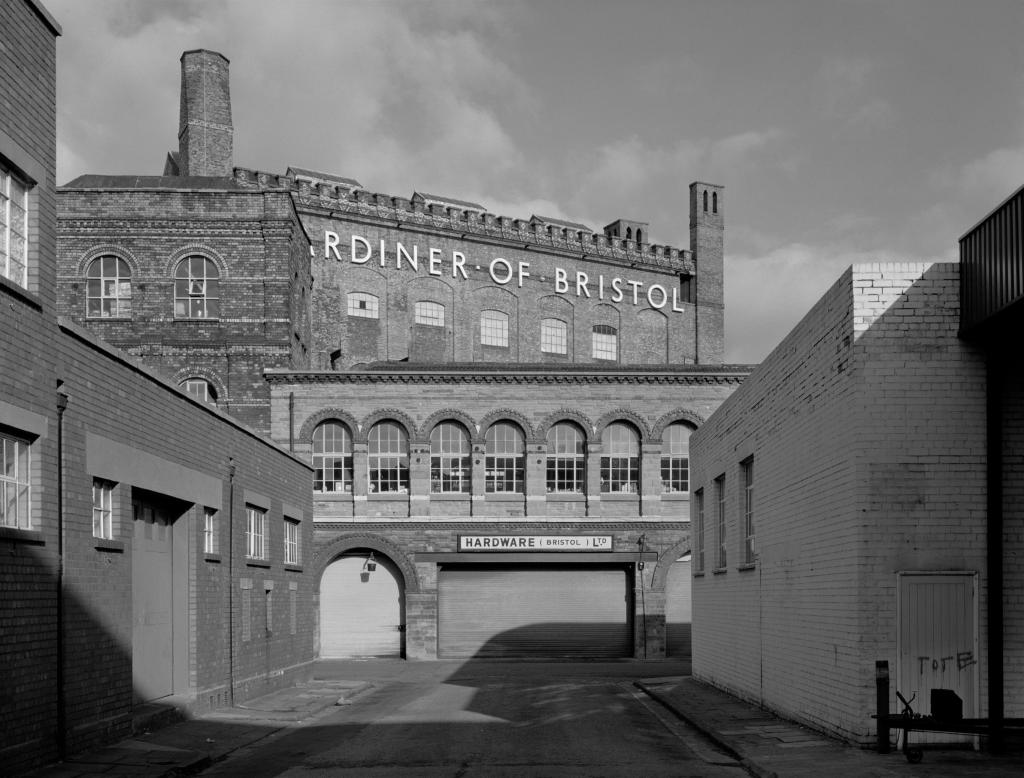
Broad Plain 1980
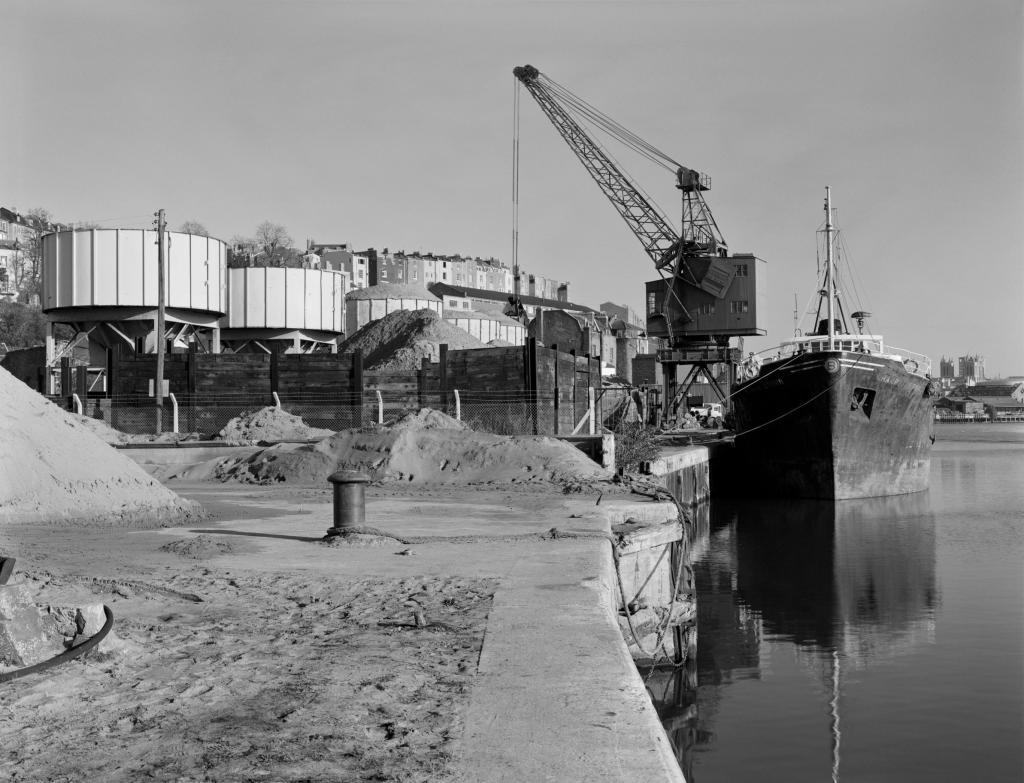
Sand Wharf, Hotwells 1978
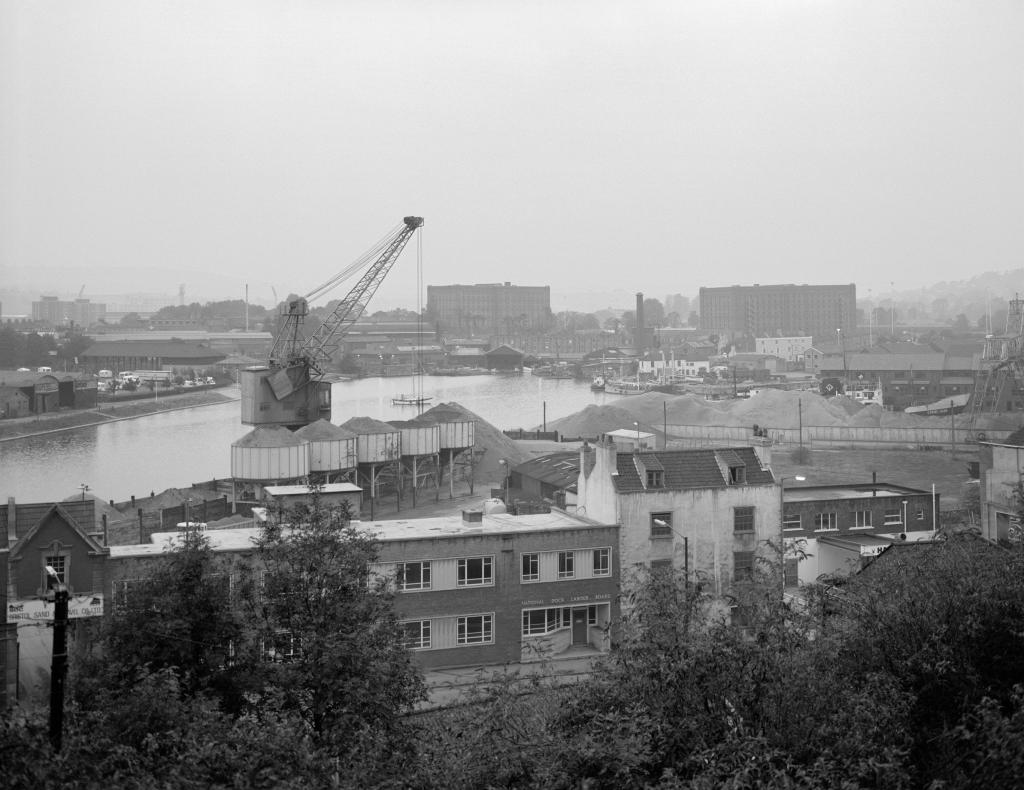
View of Hotwells Sand Wharf and the Underfall Yard 1979

Gas Works, Anchor Road 1979
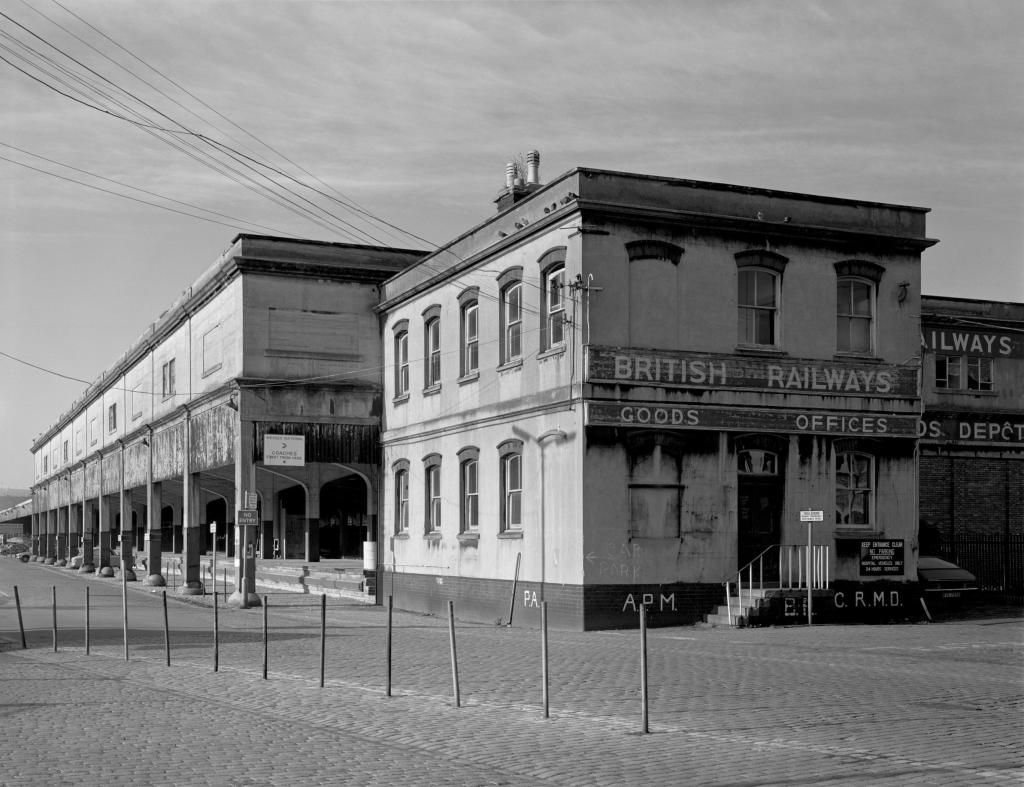
Canon’s Marsh Goods Station 1978
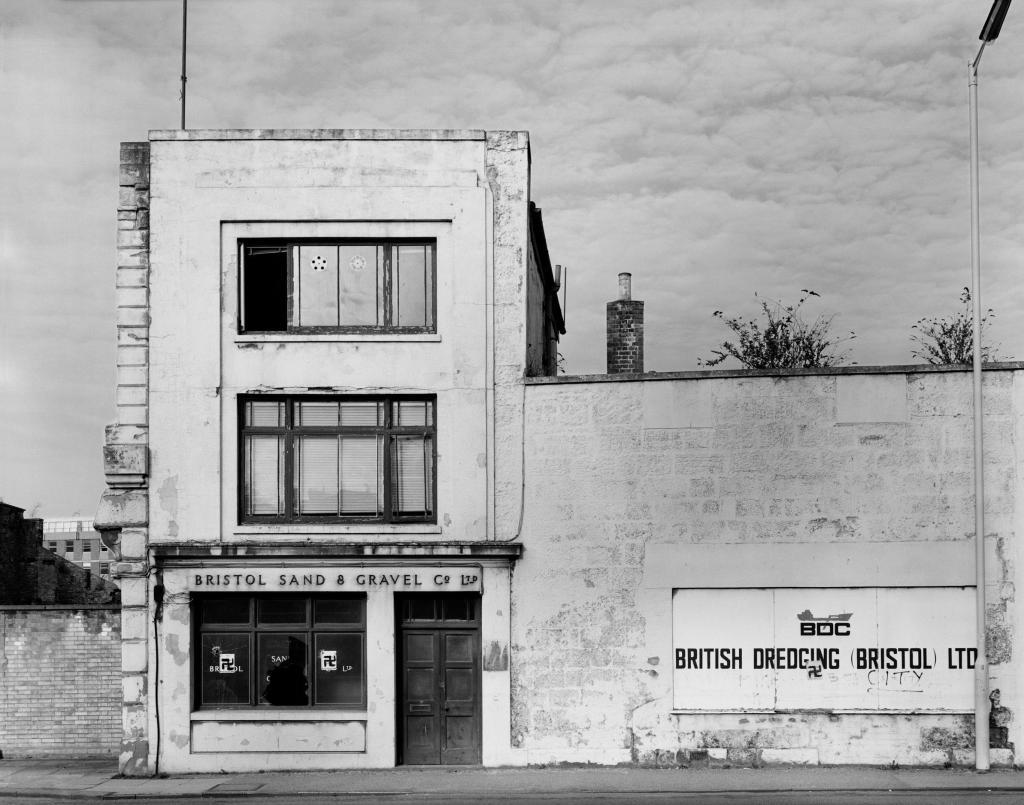
Bristol Sand and Gravel offices 1980
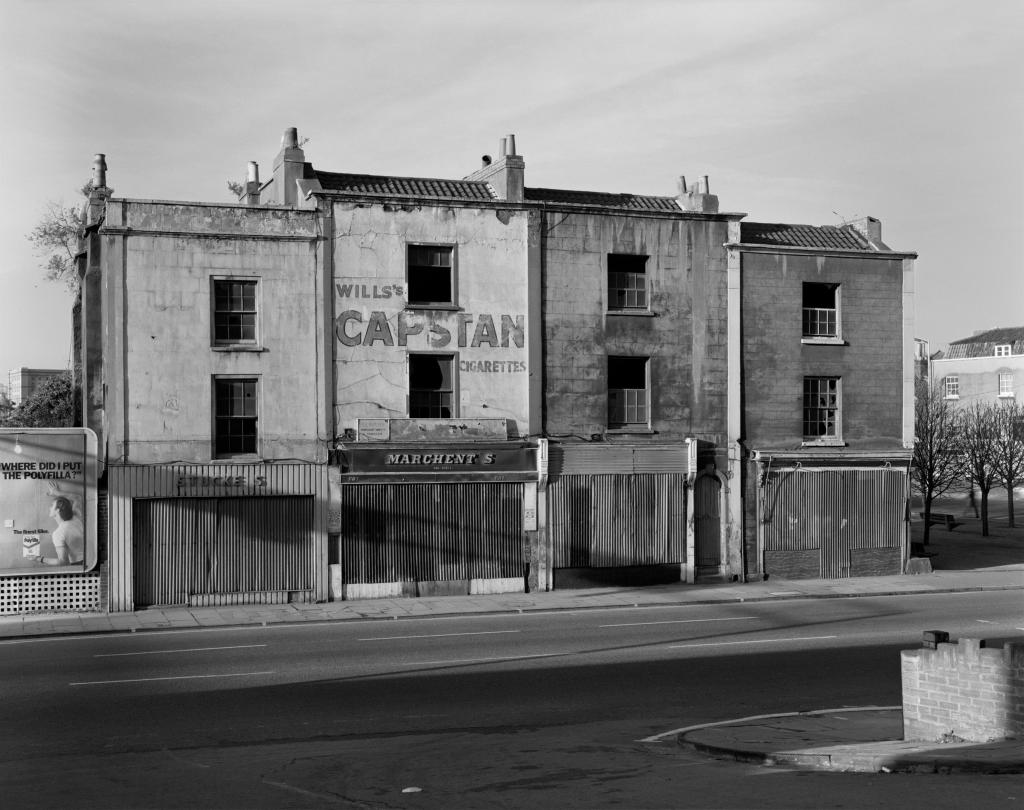
Hotwells Road 1978
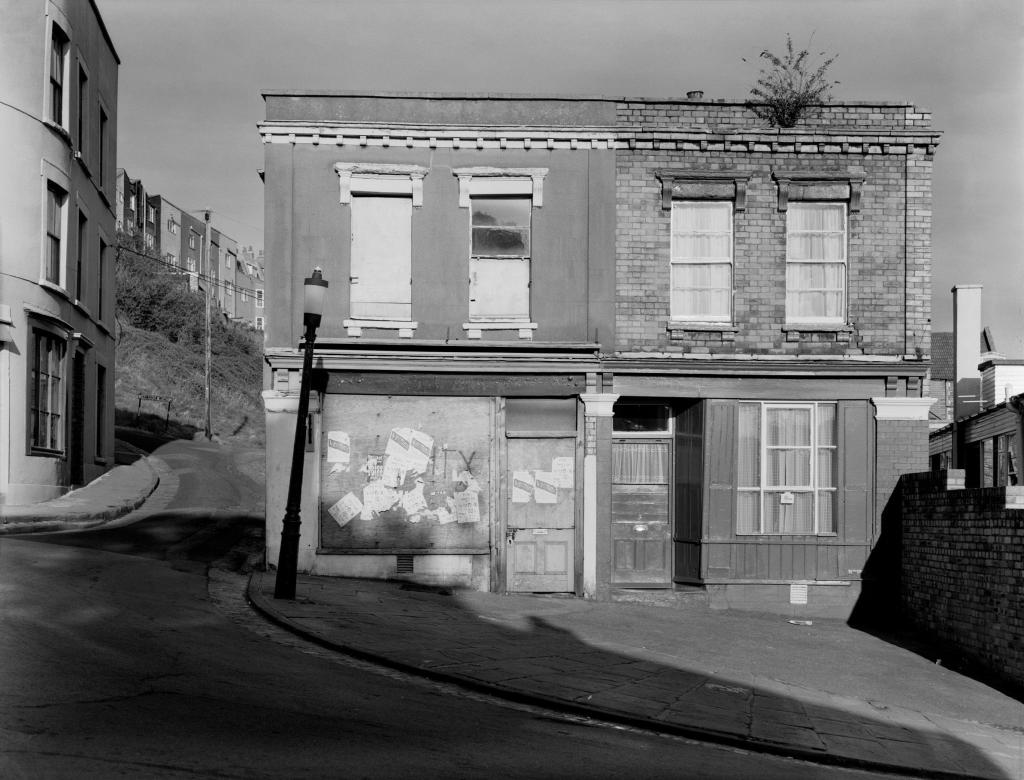
Ambra Vale, Hotwells 1978
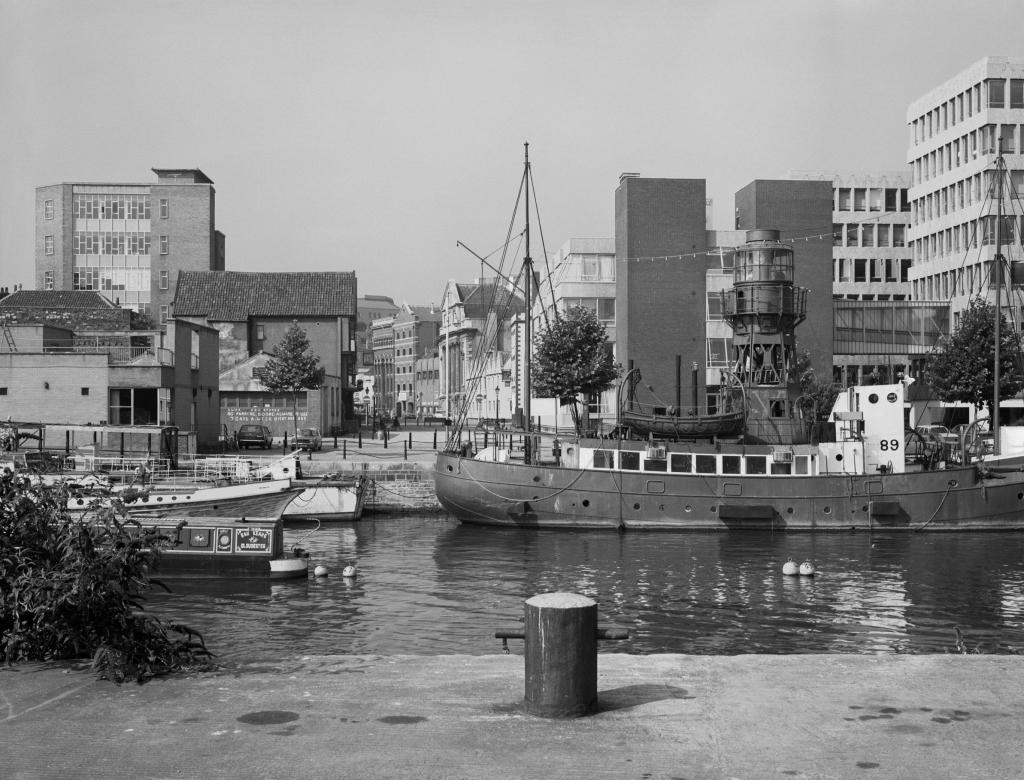
View to Welsh Back and Kings Street 1980
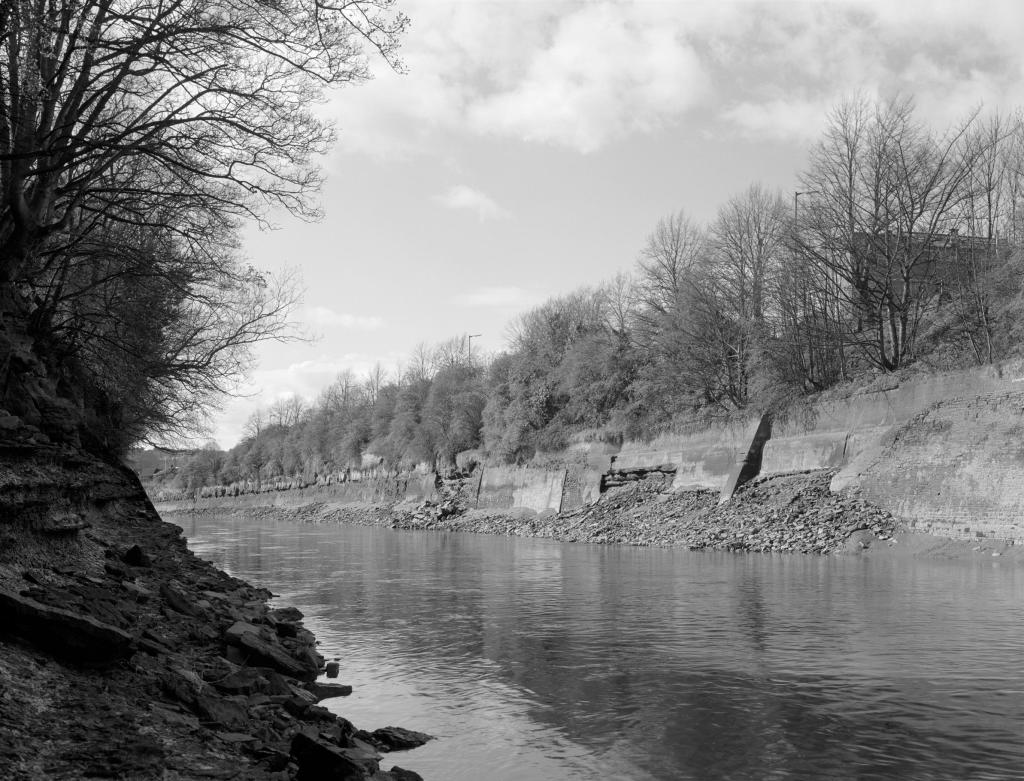
The New Cut 1980
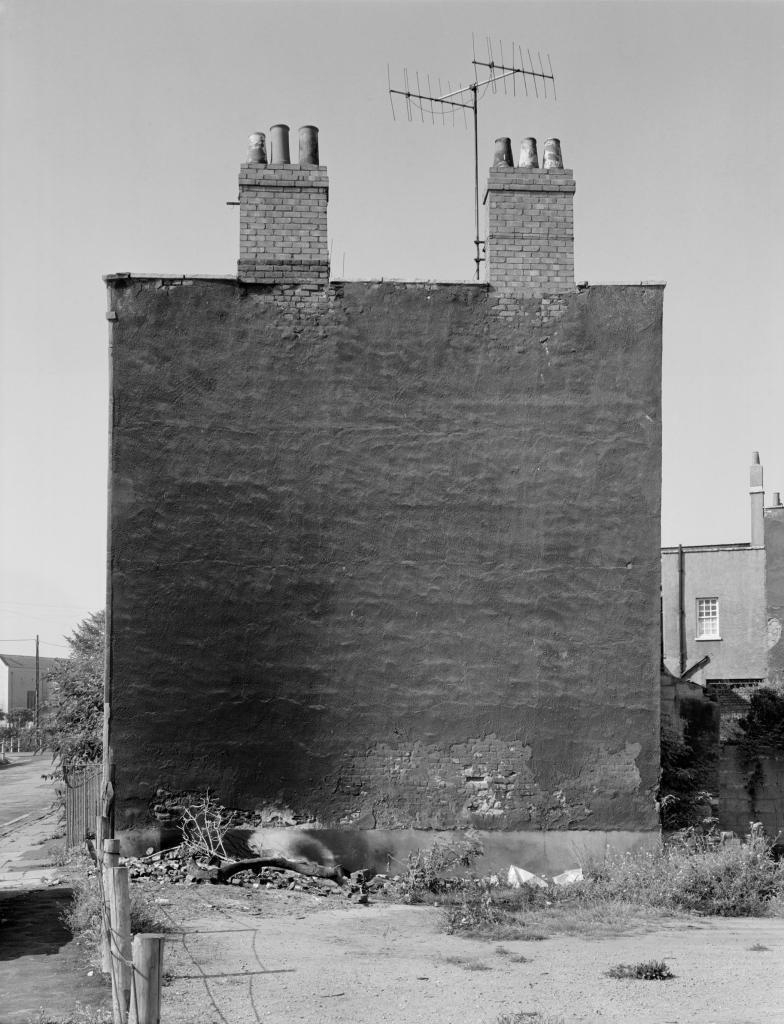
Bathurst Parade 1979
[Photos ©Jem Southam]
 Mick Hartley
Leave a comment