Huge statues, photographed by Fabrice Fouillet:
Although hugeness is appealing and exhilarating in its own right, I was first intrigued by the human-sized desire behind these gigantic declarations. Then, I asked myself how such works could be connected to their surroundings. How can they fit in the landscapes, despite their excessive dimensions and their necessarily symbolic functions?
Thus, I chose to photograph the statues outside their formal surroundings (touristic or religious), and to favor a more detached view. This detachment enabled me to offer a wider view of the landscape and to place the monuments in a more contemporary dimension.
Human figures appear sporadically and confront their own insignificance in relation to the greatness of the symbols looming above. The physical relationship between the statues and their surroundings recalls the spectator’s own body, albeit on a grand scale.
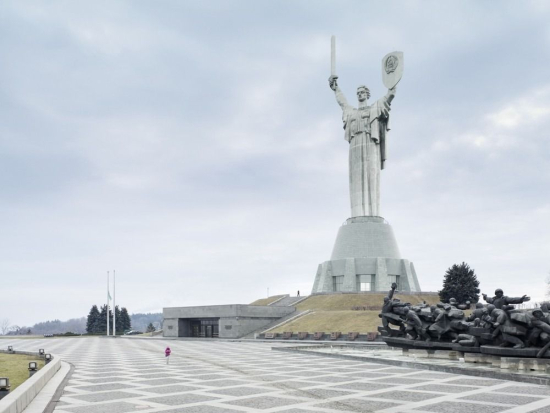
Mother of the Fatherland, Kiev, Ukraine, 1981
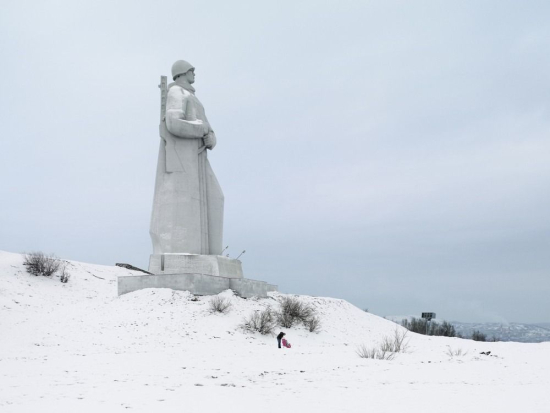
Alyosha Monument, Murmansk, Russia, 1974
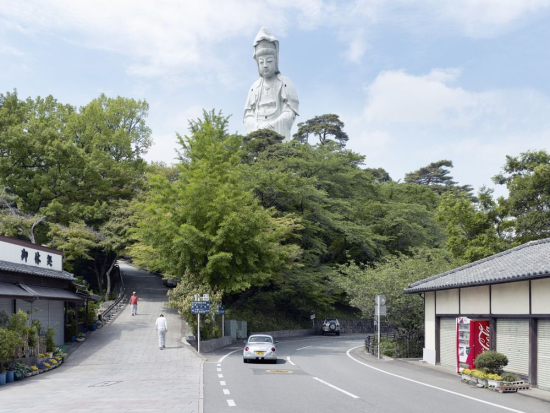
Grand Byakue, Takazaki, Japan, 1936
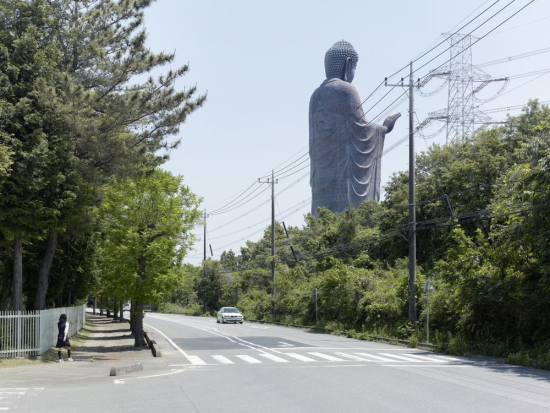
Amithaba Buddha, Ushiku, Japan, 1993
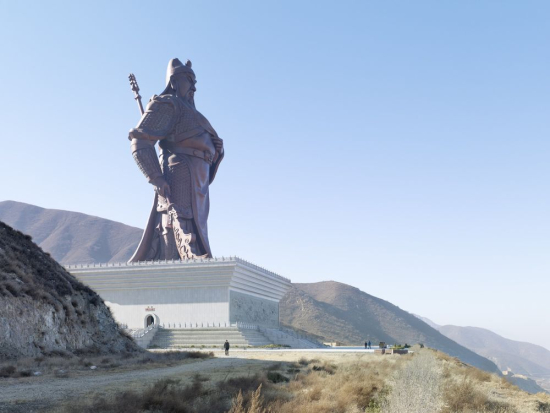
Guan Yu Statue, Yuncheng, China, 2010
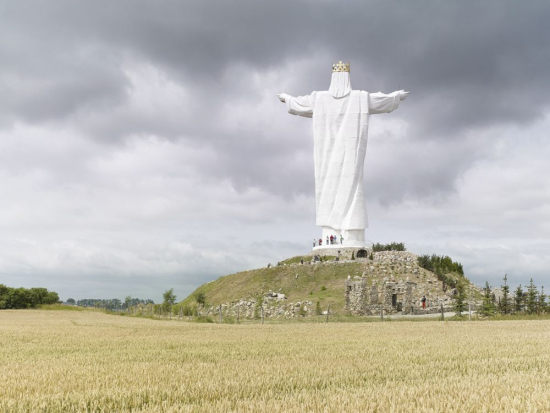
Christ the King, Zwiebodzin, Poland, 2010
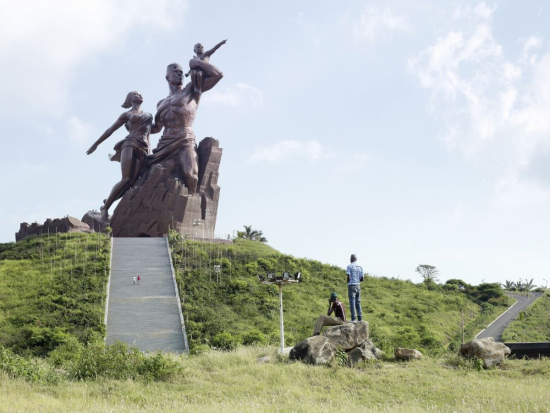
African Renaissance Monument, Dakar, Senegal, 2010
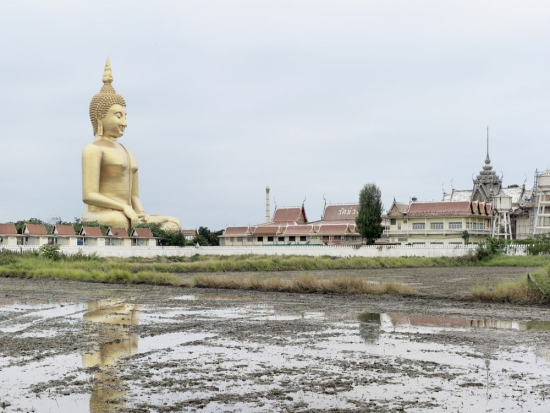
Grand Buddha Sakayamunee, Ang Thong, Thailand, 2008
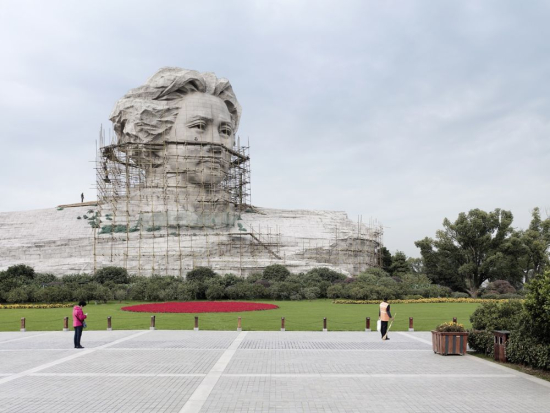
Mao Zedong, Changsha, China, 2009
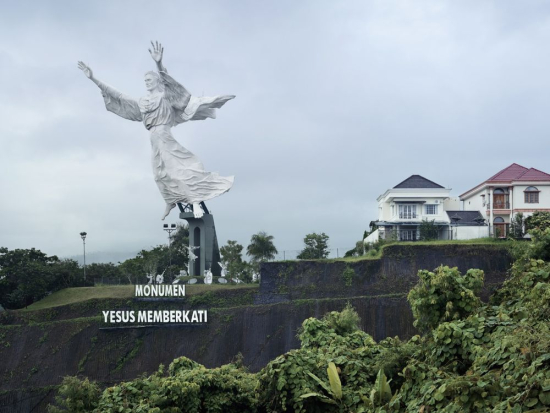
Christ Blessing, Manado, Indonesia, 2007
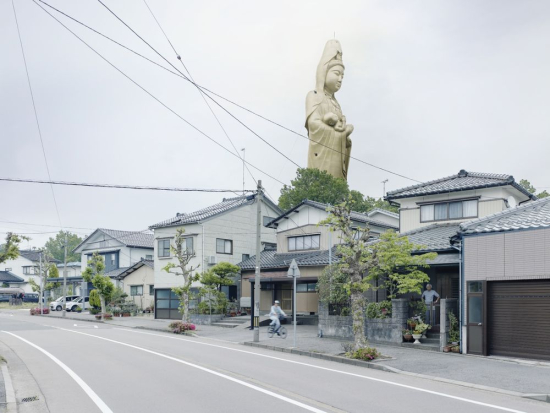
Jibo Kannon, Kagaonsen, Japan, 1987
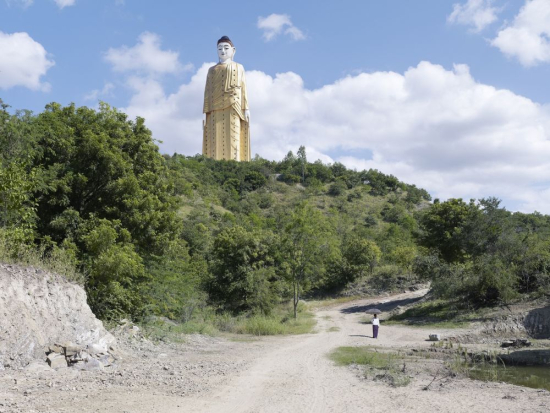
Laykyun Setkyar, Monywa, Myanmar, 2008
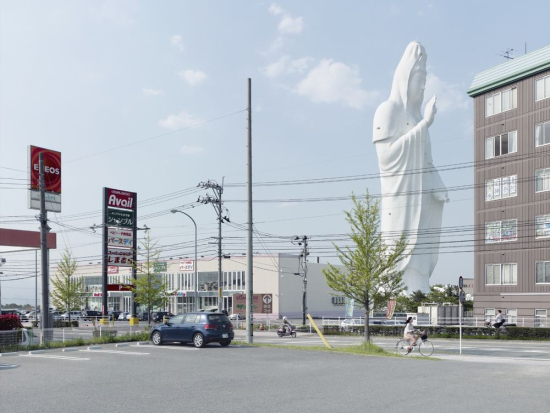
Sendai Daikannon, Sendai, Japan, 1991
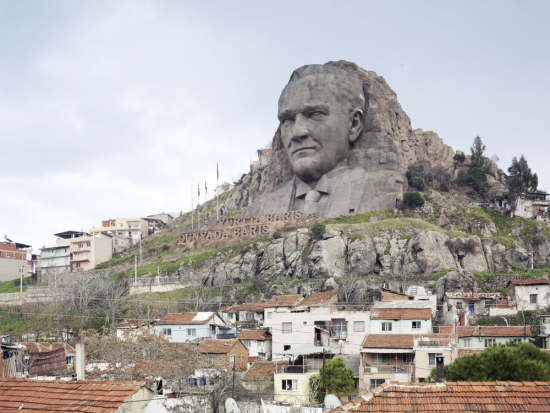
Ataturk Mask, Buca, Izmir, Turkey, 2009
[Photos © Fabrice Fouillet]]
Not featured (still under construction when Fouillet was on his travels), the Statue of Unity, depicting Indian statesman and independence activist Vallabhbhai Patel – currently the world's tallest statue.


 Mick Hartley
Leave a comment