Fleet Street photographer Tom Stoddart died last week aged 67. He covered a huge range of news stories, including the miners' strike, Lebanon, the siege of Sarajevo, the Iraq War, the Rwanda genocide, the fall of the Berlin Wall…
Stoddart’s death from cancer at 67 robbed Fleet Street of an inspirational figure. His reputation was built not only on the visceral power of his black and white photographs; he was also “a thoroughly decent man”, as Brian Harris, a friend and former rival put it.
Born in Morpeth, Northumberland, in 1953, Stoddart wanted to be a reporter but the only job available on his local paper, the Berwick Advertiser, was for an apprentice photographer. He decided he would much rather be on the road with a camera than stuck behind a desk with a typewriter.
He left for London in 1978, but never lost his love of the northeast, where he settled with his wife Ailsa, whom he married in 2015. His soft Geordie accent and self-effacing manner helped him connect with subjects of all ages and nationalities, but it also concealed an ironclad dedication.
“He was the nicest guy on his way to an assignment,” Aidan Sullivan, a former picture editor of The Sunday Times, said. “But once he got there he was driven. He was going to get that front-page byline and nothing was going to stand in his way.”
It was a quality he shared with a young American freelance reporter he met. Her name was Marie Colvin, and their arrival at The Sunday Times in 1987 offering a story about a Palestinian refugee camp became the stuff of legend. A sympathetic reporter ushered them into the office of Robin Morgan, later editor-in-chief of The Sunday Times magazine. After years of Middle East turmoil, stories from Beirut tended to attract “resigned sighs and even cynical yawns” at editorial conferences, Morgan wrote in his introduction to Stoddart’s book.
Stoddart laid out his photos of women under fire as they collected water at the Bourj el-Barajneh camp. The pictures “exploded off the page”, Morgan said. The editor, Andrew Neil, put the story on the front page and the resulting furore forced the Syrian-backed militia siege of the camp to be lifted.
Colvin and Stoddart both paid heavily for their commitment to the stories they covered: Colvin was killed during the Syrian siege of Homs in 2012; Stoddart was injured in Sarajevo in the early 1990s.
He later did advertising and used the money to take pictures for charities on his own time, said Rob Taggart, a photographer. “He was a brilliant photographer but most of all he was a great human being.”
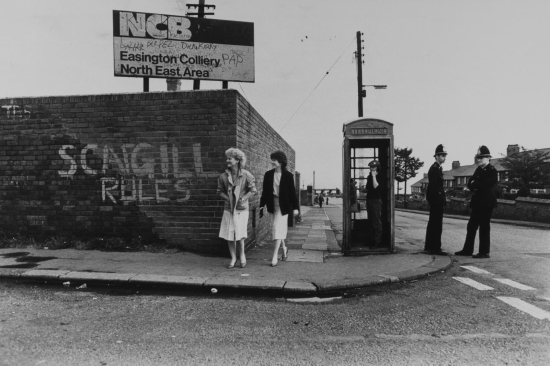
Police on duty near the entrance to Easington colliery, Co Durham, during the miners' strike of 1984 [Tom Stoddart/Times Newspapers Ltd]
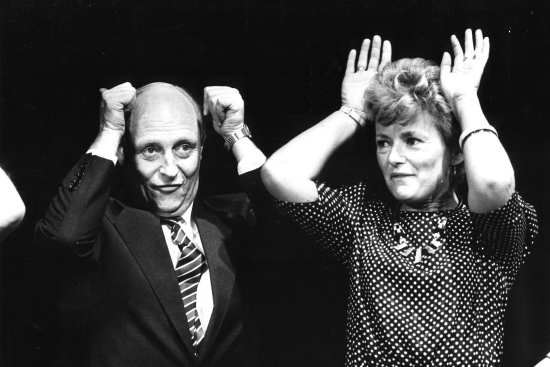
Neil and Glenys Kinnock on the last day of the 1989 Labour Party conference in Brighton [Tom Stoddart/Times Newspapers Ltd]
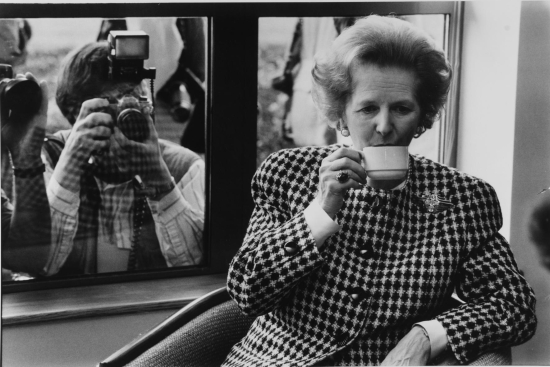
Margaret Thatcher, 1987 [Tom Stoddart/Times Newspapers Ltd]
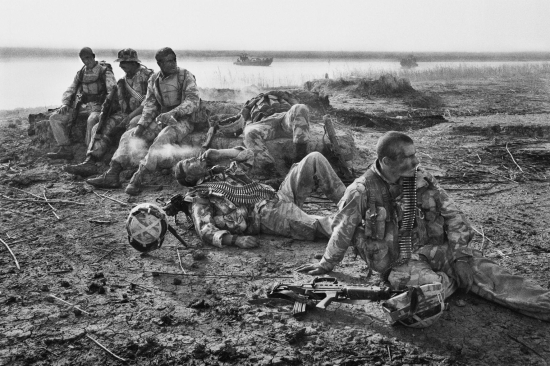
Royal Marines are overwhelmed by tiredness and grief along the Khawr Az Zubayr waterway in the marshes of southern Iraq in 2003 [Tom Stoddart/Getty Images]
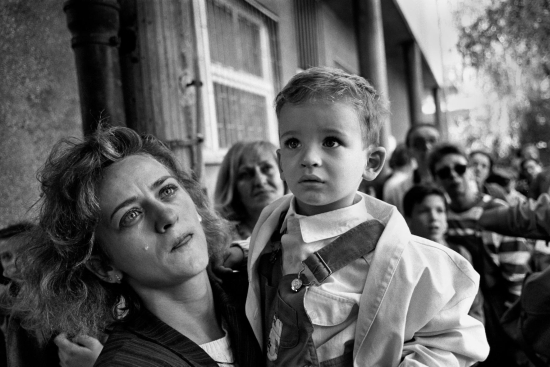
A mother and her son in Sarajevo, in 1992 [Tom Stoddart/Getty Images]
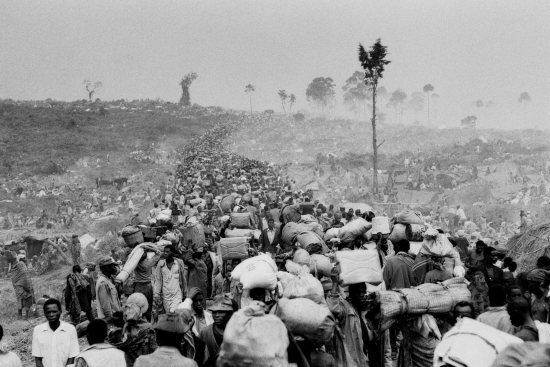
Citizens flee from Rwanda in 1994 [Tom Stoddart/Getty Images]
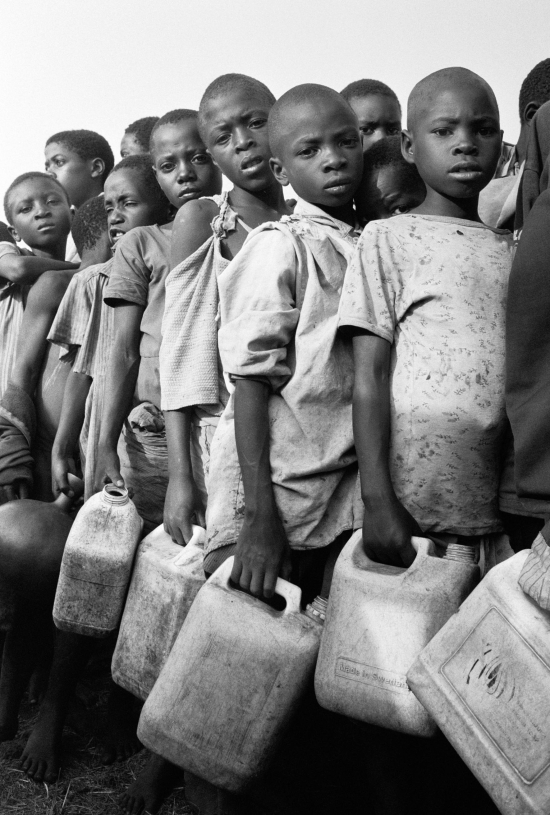
Rwandan child refugees in 1994 [Tom Stoddart/Getty Images]
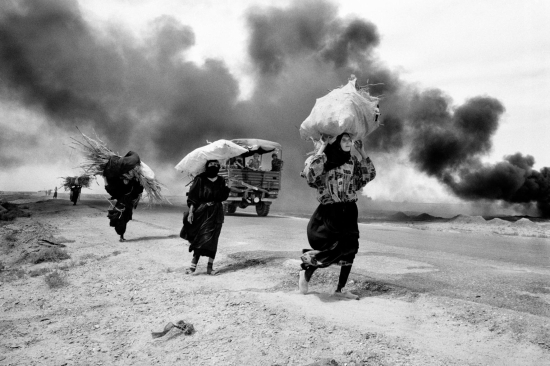
Iraqi women carry firewood through smoke from burning oil in southern Iraq in 2003 [Tom Stoddart/Getty Images]
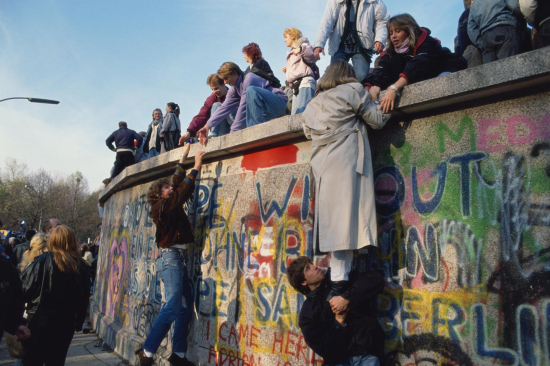
The fall of the Berlin Wall, 1989 [Tom Stoddart/Getty Images]
 Mick Hartley
Leave a comment